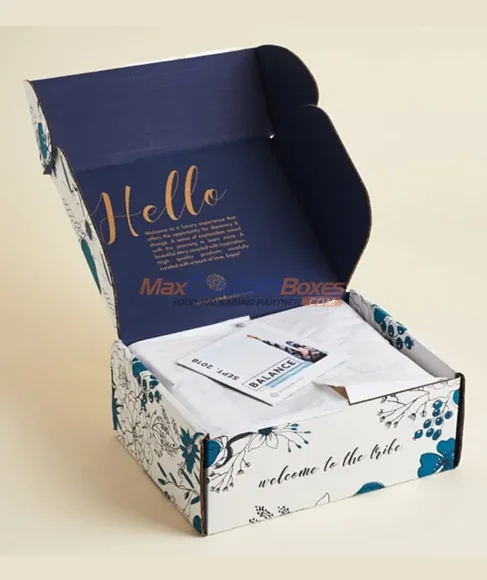
Soap packaging is often one of the main visual elements customers notice before trying a product. For handmade soap makers, skincare companies, boutique brands, and larger personal care businesses, custom soap boxes can create a consistent appearance across different scents, formulas, and collections.
Brand recognition does not require every soap box to look exactly the same. A better approach is to establish a few recognizable elements, such as logo placement, typography, colors, product naming, and packaging structure, while allowing individual products to have their own visual identity.
Creating a Consistent Soap Packaging System
A soap brand may sell several varieties at the same time. Lavender, charcoal, honey, oatmeal, rose, citrus, and unscented soaps may all need different product information.
Using a consistent packaging structure can make these products look like part of the same range.
The box may keep the same general dimensions and information layout while changing selected colors, illustrations, or product names for each soap variety.
Using the Logo Consistently
The logo is one of the simplest elements customers can associate with a soap brand.
A business can place the logo in a consistent location across different soap boxes. It might appear near the top, in the center, or in another clearly defined area.
Keeping the logo position relatively consistent makes different products easier to recognize when displayed together.
The logo should also be large enough to remain readable on the actual box size.
Color Coding Different Soap Varieties
Color can help customers distinguish between soap products while maintaining a connection to the overall brand.
For example, a soap range might use:
- Green for herbal formulas
- Purple for lavender
- Brown for coffee or cocoa
- Yellow for citrus
- Blue for refreshing or aquatic scents
The exact choices depend on the brand, but the color system should remain organized.
Using completely unrelated colors for every product can make the collection look inconsistent.
Typography and Product Names
Typography plays an important role on small soap boxes because there is limited space.
A brand can use a consistent font system for its logo, product names, and supporting information.
The soap name should be easy to identify without competing with the brand name.
For example, the front panel might show the brand first, followed by the soap variety and a short description. The side or rear panel can contain additional information.
Using Natural Materials for Soap Packaging
Kraft paperboard is commonly considered for handmade and naturally positioned soap products.
Its brown surface can support a simple visual style and can work well with minimal printing.
White paperboard provides a cleaner base when a brand uses detailed illustrations, brighter colors, or extensive product information.
The choice should be based on the product’s requirements and the brand’s visual system rather than appearance alone.
Choosing the Right Box Size
Soap bars come in different shapes and sizes, so the packaging should be measured around the actual product.
A box that is too large can allow the soap to move around. A box that is too tight may make insertion and removal difficult.
Businesses should account for the soap dimensions as well as any paper wrap, label, insert, or protective layer used inside the box.
Consistent dimensions across a product range can also make storage and display easier.
Adding Product-Specific Information
Soap packaging often needs more than the brand name and product title.
Depending on the product and applicable requirements, the box may include:
- Ingredients
- Net weight
- Scent or variant
- Directions
- Manufacturer information
- Batch details
- Contact information
- Barcode
- Website
- Relevant warnings or required statements
The information should be organized so customers can quickly understand the product without searching across several panels.
Packaging for Handmade Soap Brands
Small handmade soap businesses often sell several varieties in small production runs.
Custom boxes can provide a consistent structure while allowing each soap to have its own design variation.
A handmade brand might use the same logo placement and typography across the range while changing botanical illustrations or colors for individual scents.
This gives the collection a recognizable appearance without making every soap look identical.
Window Soap Boxes for Product Visibility
Some soap brands use boxes with windows to show part of the product.
A window can allow customers to see the soap’s color, texture, shape, or decorative surface without opening the package.
This can be particularly useful for handmade soaps with distinctive designs.
However, the window should be positioned carefully so that it does not interfere with important product information or weaken the box unnecessarily.
Custom Soap Sleeves and Folding Boxes
Not every soap product requires the same packaging structure.
A simple sleeve can be used around a wrapped soap bar, while a folding carton can provide more space for information.
Some businesses may prefer rigid or specialty structures for gift sets and premium soap collections.
The structure should match the product and the way customers will purchase, handle, and store it.
Building Recognition Across Soap Collections
A soap company may eventually expand into body scrubs, bath salts, lotions, shampoos, or other personal care products.
A recognizable packaging system can make it easier to carry the same visual language across these products.
The same logo treatment, typography, color logic, and information hierarchy can connect different product categories without making every package identical.
Seasonal and Limited-Edition Soap Boxes
Seasonal soap collections can use temporary packaging variations.
A holiday soap might use seasonal artwork, while a summer collection could use a different color system or illustration style.
The permanent brand elements should remain visible so customers can connect the limited-edition product to the main product line.
Seasonal packaging can also be useful for gift sets and special collections.
Soap Boxes for Retail Shelves
Retail environments require customers to understand products quickly.
A soap box should make the brand and product variant easy to identify when several products are placed next to each other.
The front panel should have a clear hierarchy, while the sides and back can provide additional details.
Consistent packaging dimensions can also create a more organized appearance when several soap varieties are displayed together.
Soap Packaging for Online Stores
Online customers cannot physically handle the soap before purchasing.
Clear product names and packaging images can therefore become important parts of the online shopping experience.
The physical box should match the product photographs used on the website or marketplace. Differences in colors, labels, or product names can create confusion.
For businesses shipping soaps directly to customers, the soap box may also need an outer shipping package to reduce the chance of damage during delivery.
Using Finishes Carefully
Soap boxes can use finishes such as matte coating, gloss coating, foil stamping, embossing, or spot UV.
These options can be used to draw attention to selected elements, such as the logo or product name.
However, soap packaging often has limited surface area. Too many effects can make the design crowded.
A restrained finish can work better than applying multiple effects across the entire box.
Designing for Multiple Soap Sizes
Some brands sell standard bars, large bars, sample soaps, and gift-sized products.
The packaging system should account for these different dimensions.
The box structure can remain visually consistent while the dimensions change according to each soap format.
This makes it easier for customers to recognize the product family even when the physical packages are different sizes.
Testing the Actual Soap Box
A physical sample should always be checked with the actual soap product.
Test the fit, closure, printing, opening, storage, and product removal.
If the soap contains oils, moisture, or fragrance that may interact with the packaging, the material should also be evaluated under realistic storage conditions.
For online businesses, the finished package should be tested inside its shipping carton as well.
Final Thoughts
Custom soap boxes can support brand recognition by creating a consistent visual system across different soap varieties. Logo placement, typography, colors, product naming, box dimensions, and information hierarchy can help customers recognize products as part of the same brand.
The strongest approach is not to make every soap box identical. Instead, brands can maintain a few recognizable elements while giving individual scents, formulas, and seasonal collections their own identity. With suitable materials, clear information, and physical testing, custom soap packaging can support a consistent product range as the business grows.