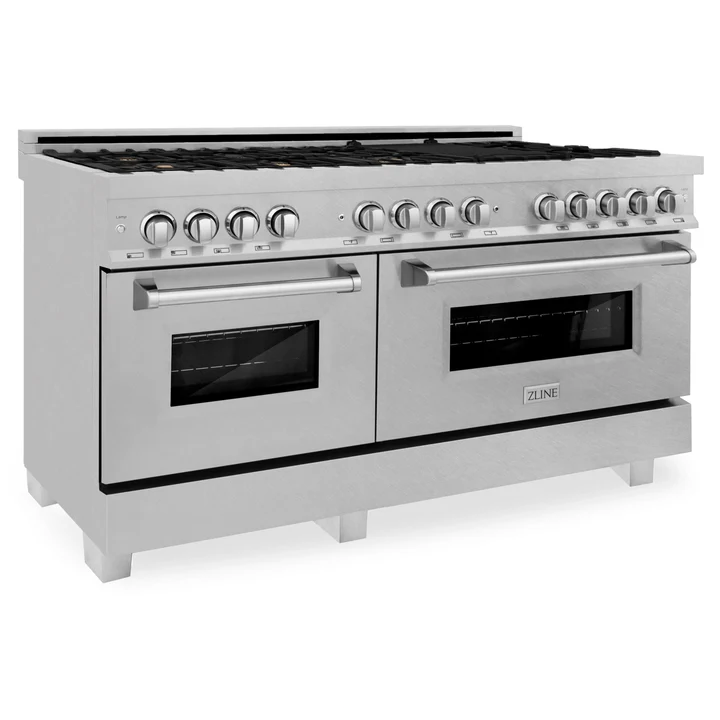
Kitchen appliances play a central role in food preparation, and the range of available equipment has expanded considerably. Home cooks can now choose from induction cooktops, gas ranges, convection ovens, steam ovens, built-in appliances, and combination systems designed for different cooking techniques.
High end cooking appliances generally refer to equipment positioned toward the upper end of the market, often emphasizing construction quality, cooking performance, specialized functions, precise controls, and sophisticated design.
However, a higher price does not automatically guarantee better results. The right appliance depends on cooking habits, kitchen layout, available utilities, maintenance requirements, and the techniques a household uses most frequently.
Understanding the differences between appliance types can help homeowners make informed decisions rather than selecting equipment based solely on appearance or price.
Which Cooking Appliances Are Available?
A modern kitchen can incorporate several types of cooking equipment. Common options include:
- Gas ranges
- Electric ranges
- Induction cooktops
- Wall ovens
- Convection ovens
- Steam ovens
- Combination ovens
- Rangetops
- Built-in microwaves
- Range hoods
Each appliance serves a different purpose. A range combines a cooktop and oven, while a wall oven separates baking and roasting from stovetop cooking. A cooktop can also provide greater flexibility when paired with a separate wall oven.
The appropriate configuration depends on the available space and the cooking methods used most often.
What Makes an Appliance High End?
There is no universal technical standard that defines a high-end cooking appliance. Manufacturers may use the category to describe products featuring advanced technology, premium materials, specialized controls, greater cooking capacity, or professional-style functionality.
Construction is one consideration. Materials used in the cooking surface, oven cavity, racks, knobs, handles, and exterior can influence durability and usability.
Performance is another important factor. Precise temperature control, even heat distribution, rapid heating, and flexible cooking modes can be valuable to people who cook frequently.
For homeowners comparing luxury cooking appliances, it is therefore useful to identify which features have a direct impact on their cooking routines.
Gas vs. Induction: Which Is Better?
Gas and induction use fundamentally different methods of transferring heat.
Gas burners produce a flame that directly heats cookware. Many cooks appreciate the visual feedback and immediate adjustment of flame intensity.
Induction cooktops use electromagnetic energy to heat compatible cookware directly. Because the cookware itself becomes the primary source of heat, the surrounding cooking surface can remain comparatively cooler than with conventional radiant cooking.
Induction also offers precise temperature adjustment and can heat cookware rapidly. However, it requires compatible cookware and an appropriate electrical supply.
Neither technology is universally superior. The best option depends on cooking preferences, cookware, utility availability, cleaning priorities, and kitchen design.
Why Does Oven Convection Matter?
Convection ovens use a fan to circulate heated air around the oven cavity. This can promote more even cooking and may be useful when preparing multiple trays of food.
Convection can be particularly beneficial for roasting and baking, although recipes may require adjustments in temperature or cooking time depending on the oven and food being prepared.
Some ovens provide multiple convection modes designed for different applications. Consumers should review the manufacturer’s instructions to understand how each mode operates.
For frequent bakers and cooks, consistent temperature management can be more valuable than simply having a large number of cooking presets.
What Are Steam Ovens?
Steam ovens introduce moisture into the cooking environment. Steam can help maintain moisture in foods and is useful for certain vegetables, seafood, breads, and reheating applications.
Some combination ovens can use both steam and conventional dry heat, allowing users to select different cooking environments.
Steam cooking requires additional considerations, including water supply or reservoir management and regular cleaning. Mineral deposits can accumulate in systems that use water, so maintenance procedures should be followed carefully.
For households that frequently steam foods or want additional cooking flexibility, a steam-capable appliance may provide meaningful value.
How Important Is Temperature Accuracy?
Temperature control can significantly affect cooking results. Ovens that maintain stable temperatures can provide more predictable baking, roasting, and other cooking outcomes.
The displayed temperature and actual internal temperature are not always identical, which is why some cooks use an independent oven thermometer to verify performance.
High-end equipment may incorporate more sophisticated sensors and controls, but users should still follow the manufacturer’s operating instructions and allow the appliance to preheat appropriately.
Temperature stability is especially important for foods that are sensitive to small changes, such as pastries, breads, custards, and certain roasted dishes.
What Is Professional Cooking Equipment?
The term professional cooking appliances can refer to equipment influenced by commercial kitchen design and functionality. These products may emphasize powerful burners, larger cooking surfaces, heavy-duty construction, high-capacity ovens, and specialized controls.
However, professional-style equipment is not always practical for a residential kitchen. Larger ranges can require substantial ventilation, stronger electrical or gas connections, additional clearance, and more cleaning.
Homeowners should therefore evaluate the kitchen infrastructure before selecting equipment designed around professional cooking concepts.
A powerful appliance is only useful if the home’s utilities and ventilation system can safely support it.
Why Is Ventilation Important?
Cooking generates heat, steam, grease, smoke, and odors. Effective ventilation can help remove these byproducts from the kitchen.
Range hoods may operate through external ducting or recirculation, depending on the installation. External ventilation generally removes air from the building, while recirculating systems filter the air before returning it to the room.
The required ventilation system depends on the cooking appliance and local requirements. Gas cooking can introduce additional ventilation considerations because combustion produces gases that must be managed appropriately.
When planning high end cooking appliances, the ventilation system should be considered at the same time as the range or cooktop rather than as an afterthought.
What Should You Know About Electrical Requirements?
Modern kitchens can have significant electrical demands, particularly when they include induction cooktops, electric wall ovens, microwaves, refrigerators, and other appliances.
Electrical requirements vary by appliance. Some large cooking equipment requires dedicated circuits or specific electrical configurations.
Before purchasing an appliance, homeowners should check its installation specifications and confirm that the kitchen’s electrical system can support it.
Any electrical modifications should be completed by a suitably qualified professional in accordance with applicable local requirements.
How Does Appliance Size Affect Kitchen Design?
Appliance dimensions influence cabinetry, countertop space, walkways, ventilation, and overall kitchen ergonomics.
A large range may provide more burners and oven capacity but can consume valuable floor and counter space. Similarly, a wide cooktop may require additional clearance and affect the placement of nearby cabinets.
Built-in ovens require accurately sized cabinet openings. Door clearance should also be considered so that an oven can be opened without obstructing walkways.
Planning dimensions before purchasing is therefore essential.
Are Premium Kitchen Appliances Worth the Cost?
Premium kitchen appliances can provide useful advantages when their features align with actual cooking needs. A frequent cook may benefit from precise controls, flexible cooking modes, durable construction, and advanced oven functions.
On the other hand, a household that primarily prepares simple meals may gain little practical benefit from specialized features.
The best approach is to prioritize performance characteristics that will be used regularly. Energy consumption, maintenance, repairability, warranty coverage, and service availability should also be considered.
A high purchase price should be justified by useful performance and long-term value rather than appearance alone.
What Are Luxury Home Appliances?
The category of luxury home appliances extends beyond cooking equipment and can include refrigerators, dishwashers, wine coolers, and other kitchen technologies.
When multiple appliances are installed together, consistency in dimensions, finishes, controls, and design can contribute to a cohesive kitchen.
However, aesthetics should remain secondary to functionality. An attractive appliance that does not fit correctly or meet cooking requirements can create practical problems.
A balanced kitchen design considers appearance, ergonomics, performance, installation, and long-term maintenance together.
How Should You Choose the Right Cooking Appliance?
Before purchasing high end cooking appliances, consider the following questions:
- What cooking methods do you use most frequently?
- Do you prefer gas, electric, or induction?
- How much oven capacity do you need?
- Is convection or steam cooking useful for your recipes?
- What ventilation system does the kitchen require?
- Can the electrical or gas infrastructure support the appliance?
- How much maintenance will the appliance require?
- Does it fit the planned cabinetry and available space?
- What warranty and service options are available?
- Which features provide genuine value for your household?
Answering these questions can narrow the selection considerably.
Conclusion
High end cooking appliances can provide advanced functionality, precise controls, specialized cooking modes, durable construction, and sophisticated kitchen integration. Their value, however, depends on whether those characteristics address real cooking requirements. When comparing luxury cooking appliances, homeowners should examine temperature control, cooking technology, ventilation, dimensions, utility requirements, cleaning, and long-term maintenance. Premium kitchen appliances may offer useful improvements, but consumers should compare individual specifications rather than relying on price or appearance. For kitchens designed around intensive cooking, high-end kitchen equipment and professional cooking appliances can provide additional capabilities, provided the home’s ventilation, electrical, gas, and cabinetry infrastructure can accommodate them. Luxury home appliances can also create a coordinated appearance when several products are installed together. Ultimately, selecting cooking equipment should begin with cooking habits and kitchen requirements. A carefully chosen appliance can improve everyday functionality while fitting naturally into the overall design of the home.