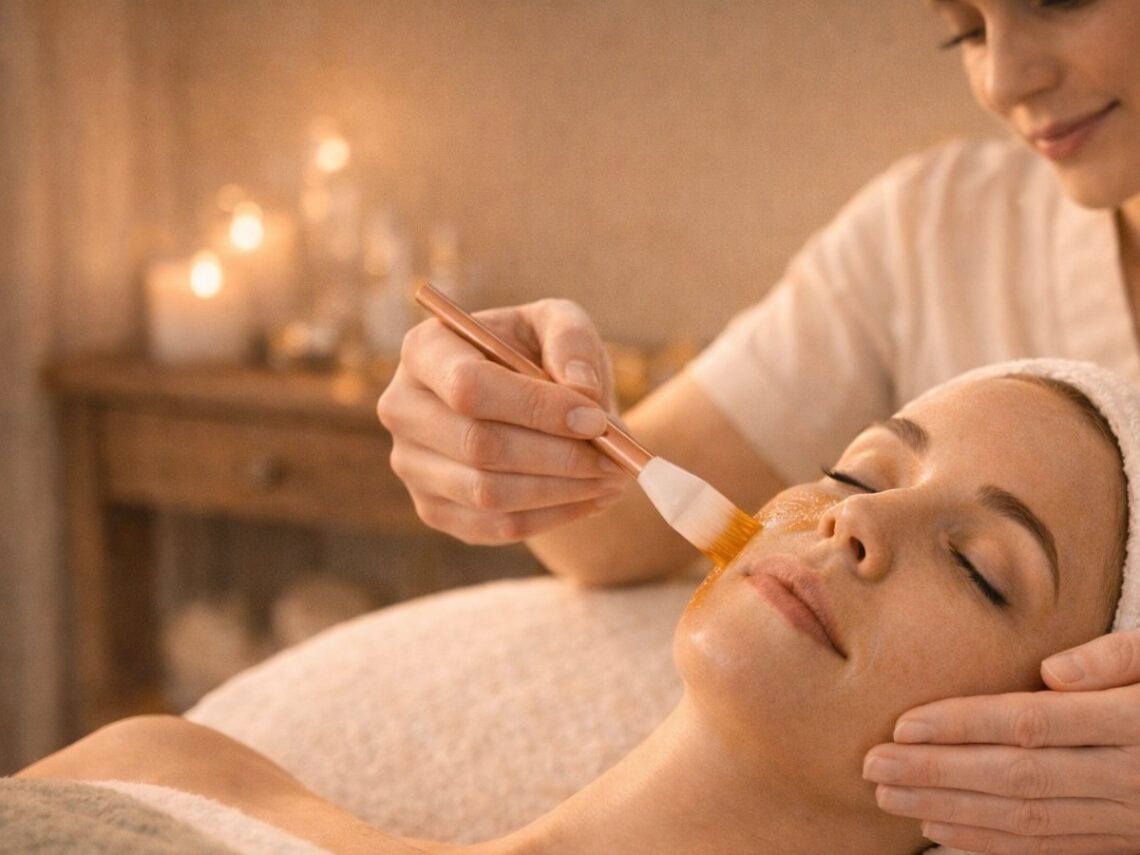
Chemical peels in Tampa are an option people may explore when researching treatments for uneven skin tone, certain types of acne, rough texture, sun damage, or fine lines. A chemical peel uses a carefully selected chemical solution to remove outer skin layers to a controlled depth. The appropriate treatment depends on the skin concern, the person’s skin characteristics, medical history, and the strength of the peel. Understanding the differences between superficial, medium, and deep peels can help people ask better questions before scheduling a consultation. It is also important to understand potential side effects, recovery time, sun protection, and the qualifications of the person performing the procedure.
What Is a Chemical Peel?
A chemical peel is a skin treatment in which a chemical solution is applied to produce controlled exfoliation. Depending on the formulation and depth, the treatment removes some outer skin cells and may affect deeper layers. As the skin heals, its appearance and texture may change.
Dermatologists may use chemical peels to address selected concerns, including certain types of acne, uneven pigmentation, sun-related changes, rough skin, and fine lines. However, not every peel treats every concern, and results vary. A peel that is suitable for one person may be inappropriate for another because skin tone, sensitivity, medications, and existing conditions can influence both treatment choice and recovery.
Chemical peels also vary in concentration, ingredients, application technique, and depth. The name of an ingredient alone does not establish how strong a treatment will be. The overall formulation, contact time, number of applications, and professional technique can affect how deeply a peel acts on the skin.
Types of Chemical Peels
Professionals generally classify chemical peels as superficial, medium, or deep according to how deeply they affect the skin. This distinction matters because treatment intensity, recovery, and potential complications can differ considerably.
Superficial chemical peels
Superficial peels affect the outermost layer of skin. Depending on the formulation, they may be considered for mild uneven tone, dullness, rough texture, or certain types of acne. Some use ingredients such as alpha hydroxy acids or salicylic acid at concentrations and under conditions selected for the individual.
Recovery is generally shorter than with deeper peels, although redness, dryness, sensitivity, or flaking can occur. More than one session may be recommended, depending on the concern and response. A superficial peel should not be assumed to be risk-free simply because it is described as mild.
Medium-depth chemical peels
Medium peels affect the outer skin and extend into a deeper layer. They may be considered for selected pigmentation concerns, some acne-related changes, and certain signs of sun damage. These treatments can produce more noticeable peeling and swelling and generally require more recovery time than superficial peels.
Because medium peels can cause more substantial skin injury, assessment and aftercare are particularly important. A qualified professional should explain the preparation process, likely downtime, possible complications, and whether another treatment would be more suitable.
Deep chemical peels
Deep peels affect deeper layers of skin and involve more intensive treatment and recovery. They can carry greater risks, including prolonged redness, pigment changes, infection, and scarring. These procedures require careful patient selection and specialized medical care. A deep peel is not an appropriate choice for every cosmetic concern or every person.
Patients considering a deep peel should understand the recovery commitments before proceeding. The treatment may require significant time away from normal activities, structured wound care, and follow-up appointments. The provider should explain why this level of treatment is being considered and discuss alternatives.
Which Skin Concerns Can Chemical Peels Address?
Chemical peels may be used for several skin concerns, but suitability depends on the cause of the problem and the type of peel selected.
- Uneven skin tone: Certain peels may help improve the appearance of selected pigmentation concerns.
- Some types of acne: Particular formulations may be considered for acne-prone skin, depending on the individual’s condition.
- Rough texture: Controlled exfoliation may help improve the feel and appearance of some forms of surface roughness.
- Fine lines and sun-related changes: Some peels may soften the appearance of selected superficial lines and visible signs of sun damage.
- Dull-looking skin: A superficial peel may improve the appearance of the skin’s surface in suitable candidates.
However, a chemical peel is not a universal solution. Deep acne scars, significant skin laxity, persistent rashes, unexplained lesions, and certain pigmentation disorders may require a different approach. A medical assessment can help determine whether the concern is cosmetic or may indicate an underlying skin condition.
How Skin Tone and Medical History Affect Treatment Choice
Skin characteristics are important when choosing a chemical peel. People with darker skin tones can sometimes develop hyperpigmentation or hypopigmentation after procedures that irritate or injure the skin. This does not mean that chemical peels are unsuitable for everyone with darker skin. Rather, treatment selection and technique require appropriate experience with the person’s skin type and pigmentation risks.
People who tend to develop dark marks after acne, insect bites, burns, or minor injuries should mention this during the consultation. The provider should explain the possibility of pigment changes and how the proposed treatment may affect that risk.
Medical history also matters. Tell the provider about current skin conditions, previous cosmetic procedures, allergies, medications, cold sore outbreaks, and any history of abnormal scarring or slow healing. Some medications and skincare ingredients can affect skin sensitivity or treatment preparation. Do not stop prescribed medication or change a skincare regimen without professional guidance.
Active skin infections, open wounds, irritation, or other skin problems may mean that treatment should be postponed or reconsidered. A qualified clinician can assess these factors and determine whether a peel is appropriate.
What to Know About Chemical Peel Safety
Chemical peels intentionally affect the skin, so side effects are possible even when a treatment is performed correctly. Common reactions may include redness, dryness, stinging, tenderness, peeling, or temporary sensitivity. More serious complications can include infection, prolonged redness, scarring, and changes in skin color.
The risk depends on the depth of the peel, the chemical formulation, how it is applied, the individual’s skin, and whether aftercare instructions are followed. Stronger products are not automatically better, and increasing the concentration or treatment depth can increase the risk of injury.
The U.S. Food and Drug Administration has warned consumers about certain high-concentration chemical peel products sold for use without appropriate professional supervision. Such products can cause chemical burns, pain, swelling, infection, pigment changes, and scarring. The concentration, number of applications, and length of time the product remains on the skin can all affect the severity of injury.
For this reason, avoid attempting professional-strength peels at home or using products that lack clear instructions and appropriate safety information. A product being available online does not establish that it is safe for unsupervised use.
How to Choose a Chemical Peel Provider in Tampa
When comparing providers, look beyond treatment menus and advertised prices. The person’s qualifications, experience with chemical peels, and ability to assess skin conditions are important considerations. Deeper peels require more intensive medical oversight than many superficial cosmetic treatments.
Before booking, consider these questions:
- Who will assess my skin and perform the procedure?
- What professional license and relevant training does the provider hold?
- How much experience do they have with my skin tone and the concern I want to address?
- Which peel formulation and depth are being considered, and why?
- What are the likely benefits, limitations, and risks?
- What preparation and aftercare will I need?
- How long should I expect recovery to take?
- What symptoms should prompt me to contact a healthcare professional?
- What is the total cost, including follow-up visits or additional sessions?
Verify the provider’s credentials through the appropriate Florida licensing authority. The appropriate professional depends on the procedure and applicable scope-of-practice rules. Do not assume that every person working at a medical spa is qualified to perform every type of peel.
For additional provider-comparison considerations, the guide on how to choose a med spa in Tampa outlines factors to review before scheduling an aesthetic treatment. Directory listings can help with initial research, but they do not replace independent credential checks or a medical consultation.
Preparing for a Chemical Peel
Preparation depends on the peel’s depth, the individual’s skin, and the professional’s instructions. Some patients may be advised to follow a skincare plan before treatment. Others may need to avoid certain products or activities for a period of time. These instructions should be specific to the planned procedure rather than based on general advice found online.
During the consultation, disclose all medications and skincare products you use, including prescription acne treatments, retinoids, exfoliating acids, over-the-counter products, and supplements. Mention previous cosmetic treatments, a history of cold sores, allergies, and any tendency to develop dark marks or scars.
Ask whether the procedure should be postponed if your skin is sunburned, irritated, or experiencing an active outbreak. If you have recently undergone another aesthetic treatment, confirm whether enough time has passed before receiving a peel.
Do not start a strong exfoliant or combine multiple active ingredients in an attempt to prepare your skin unless your provider specifically recommends it. Excessive exfoliation can increase irritation and may interfere with treatment suitability.
Recovery and Aftercare: What to Expect
Recovery varies according to peel depth and individual response. After a superficial peel, some people experience redness and flaking for several days. Medium peels can involve more substantial redness, swelling, crusting, and peeling over a longer period. Deep peels may require several weeks of recovery and close medical follow-up.
These are general patterns, not guaranteed timelines. Your provider should explain the likely recovery period for the exact procedure and tell you when it is appropriate to resume normal activities, apply makeup, or use your usual skincare products.
Follow the aftercare plan carefully. It may include gentle cleansing, use of a recommended moisturizer or ointment, avoiding picking or scratching the skin, and temporarily avoiding products that can cause irritation. Do not peel off loose skin yourself, because this can increase the risk of infection or scarring.
Sun protection is especially important after a chemical peel. Newly treated skin can be more sensitive to sunlight, and ultraviolet exposure may contribute to pigment changes. Follow your provider’s instructions about sun avoidance, protective clothing, and when to resume sunscreen. Continue appropriate sun protection after the skin has healed.
Contact your treating professional if symptoms are more severe or prolonged than expected. Severe pain, worsening swelling, signs of infection, blistering beyond what you were told to expect, or changes in vision require prompt medical assessment. Seek urgent care for severe or rapidly worsening symptoms.
How Much Do Chemical Peels Cost?
The cost of a chemical peel can vary with the depth of the procedure, the formulation used, the provider’s qualifications, the treatment area, and the level of follow-up care. A superficial peel may have a different price structure from a medium or deep procedure that requires more preparation and recovery support.
When comparing prices, ask what is included. The quoted amount may or may not cover the initial consultation, preparation products, aftercare supplies, follow-up appointments, or additional sessions. If a series of treatments is recommended, request the estimated total cost rather than comparing only the price of the first visit.
Price should not be the sole basis for choosing a provider. A low-cost offer is not necessarily inappropriate, but patients should be cautious if the provider cannot explain the formulation, treatment depth, qualifications, risks, or aftercare plan. Clear information is essential before agreeing to any procedure.
Frequently Asked Questions About Chemical Peels
Are chemical peels suitable for all skin types?
No single peel is suitable for everyone. Skin tone, sensitivity, medical history, pigmentation concerns, and the condition being treated all affect the decision. People with darker skin tones may need a provider with specific experience managing pigmentation risks.
How many chemical peel sessions are needed?
The number of sessions depends on the peel type, the skin concern, and the individual’s response. Some superficial treatments may be performed as a series, while deeper peels involve different treatment and recovery considerations. A provider should explain the expected course before treatment begins.
Can I use a strong chemical peel at home?
High-concentration professional-strength peels should not be used at home without appropriate professional supervision. The FDA has warned that certain products sold for unsupervised use can cause serious chemical burns, infection, pigment changes, and scarring. Consult a qualified professional before considering a peel.
How long does chemical peel recovery take?
Recovery depends on the depth of the peel. Superficial peels often have shorter downtime, medium peels generally require longer healing, and deep peels may need several weeks of recovery and follow-up care. Your provider should give you a procedure-specific timeline.
Is sunscreen important after a chemical peel?
Yes. Sun protection is an important part of recovery and ongoing skin care after a chemical peel. Follow your provider’s instructions about avoiding direct sun, using protective clothing, and when to resume sunscreen. Sun exposure during healing may contribute to unwanted pigment changes.
Making an Informed Decision
Chemical peels can be useful for selected skin concerns, but the appropriate treatment depends on more than the name of the procedure. Peel depth, formulation, skin tone, medical history, provider experience, and aftercare all influence the risk-benefit assessment. Understanding these factors can help people compare options more carefully and ask meaningful questions during a consultation.
For people researching chemical peels in Tampa, comparing treatment information and provider credentials is a sensible starting point. Confirm the exact procedure being offered, verify the qualifications of the person performing it, discuss possible complications, and understand the recovery requirements before scheduling. A qualified healthcare professional can help determine whether a chemical peel or another approach is appropriate for your individual needs.
This article is for general educational purposes and does not provide a diagnosis or personalized medical advice. Chemical peels have risks and may not be appropriate for everyone. Discuss your skin concerns and treatment options with a qualified healthcare professional.