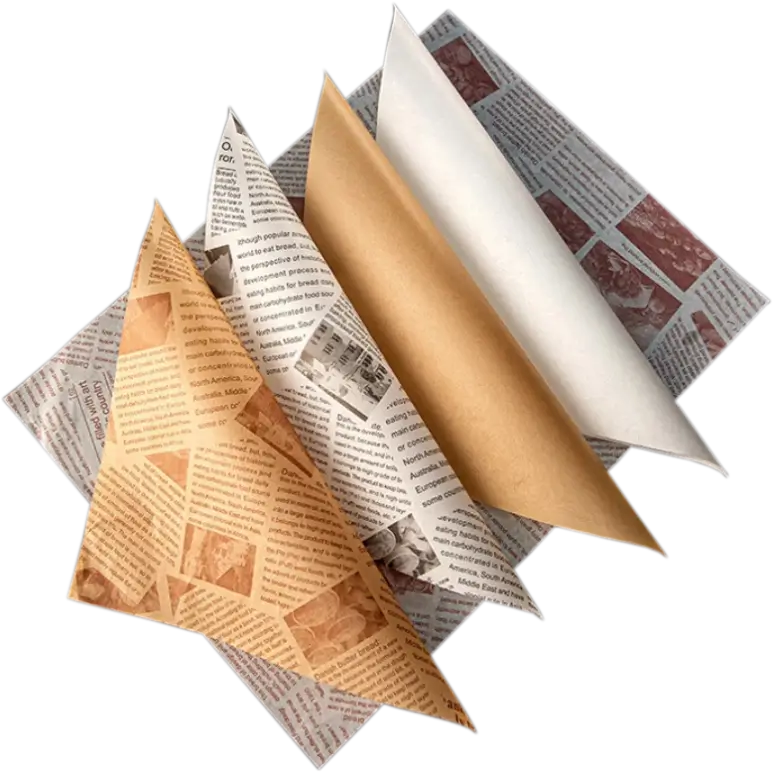
Food businesses need packaging that works smoothly during busy service while keeping products presentable. From butcher shops preparing fresh cuts to cafés wrapping sandwiches for takeaway, paper packaging is part of the daily customer experience. The right material can make wrapping easier, help manage handling, and give a business a consistent way to display its brand.
Different food products call for different packaging features. Butcher paper is selected for suitable meat-handling and wrapping applications, sandwich paper is designed around convenient serving and takeaway, while heat seal paper is used in packaging systems where the material and equipment create a sealed pack. These options are not interchangeable, so businesses should consider the food, handling process, and intended storage conditions before choosing a product.
For meat retailers and food businesses, Custom Butcher Paper can be part of a practical packaging setup. The right paper size and specification depend on the products being wrapped, how they are handled, and whether the paper will be used for direct food contact. A repeating logo or simple printed pattern can also help make the counter, market stall, or packaged order look more consistent.
Butcher Paper for Everyday Food Handling
Butcher shops and food retailers need wrapping that suits their products and working routines. Sheet size, strength, flexibility, and resistance to moisture or grease can all affect how easily paper performs during service. Businesses should select paper according to the specific food and handling conditions rather than assuming every butcher paper product is suitable for every application.
Custom printing gives businesses another way to make packaging recognisable. A small repeating logo or restrained brand pattern can create a professional look without making the paper difficult to fold or use. For shops serving customers at a counter, the design can be kept simple enough to remain visible when the paper is wrapped around a product.
Practical details matter as much as appearance. Consider how much paper staff typically use per order, how the sheets will be stored, and whether a roll or pre-cut sheets better suit the workspace. Before using a product for direct contact with meat or other food, confirm its intended use and food-contact suitability with the supplier.
Sandwich Paper for Cafés and Takeaway Orders
Sandwich packaging needs to work at the point of preparation and throughout the customer’s journey. Paper may be used to wrap sandwiches, rolls, burgers, or other suitable takeaway foods, depending on its specification. A useful format should be easy to fold, help keep the order together, and suit the portion size without creating unnecessary bulk.
Businesses looking for branded wrapping can consider Custom Sandwich Paper to bring their visual identity into takeaway service. Repeated logos, simple illustrations, or brand colours can make packaging feel connected to the rest of a café’s presentation. The artwork should be planned with the finished wrap in mind, since folds may hide some parts of the print.
The paper itself needs to match the food. A dry sandwich and a warm, oily filling may require different performance characteristics. If the food releases grease or moisture, ask the supplier whether the paper is suitable for those conditions. Also consider whether the package will be served immediately, carried for a short journey, or held for longer before eating.
Understanding Heat Seal Paper
Heat seal paper is used in packaging applications where compatible equipment applies heat and pressure to form a seal. The paper or paper-based material must be designed for the particular sealing process, so businesses should check compatibility with their machinery, product, and packaging requirements before ordering.
For businesses exploring this format, Custom Heat Seal Paper may be worth considering when planning packaging that needs a closed seam or sealed presentation. Important factors include the required seal strength, material construction, sheet or roll dimensions, and any barrier properties needed for the product. Not every paper product can be heat sealed, and the correct temperature and operating conditions depend on the material specification.
Testing a sample before a larger production run can help identify whether the paper feeds correctly through the equipment and forms a reliable seal. Businesses should also check whether the finished pack protects the product as intended during storage and transport. Where food is involved, confirm that the full packaging structure—including coatings, inks, and adhesives where relevant—is suitable for the intended food-contact conditions.
Keep Packaging and Branding Consistent
A food business may use different packaging formats for different products, but a consistent visual identity can connect them. Using the same logo, typography, and core colours across butcher paper, sandwich wraps, and sealed packs helps customers recognise the business across counters, takeaway orders, and retail displays.
Keep the design practical. Small repeating graphics often work well on wrapping paper because the pattern remains visible even after folding. Leave enough space for staff to handle the paper comfortably, and avoid placing essential design elements where they are likely to be hidden. For heat seal applications, ensure the artwork does not interfere with the area required for sealing.
Choosing appropriate dimensions can also improve everyday efficiency. Sheets that are too small may not wrap products securely, while oversized sheets can add unnecessary material use. Review the products most commonly packed, the wrapping method, and the space available for storing paper before confirming the specification.
Check Food Safety and Storage Requirements
Packaging that touches food needs to be fit for its intended purpose. New Zealand’s Ministry for Primary Industries advises food businesses to use clean, undamaged packaging that protects food from contamination and deterioration during processing, storage, and transport. It also recommends checking supplier information to ensure the material is appropriate for the food and its conditions of use.
Before ordering, confirm whether the paper is suitable for direct food contact, whether it can handle the expected temperature and moisture, and whether its coating or printing is appropriate for the application. Store unused packaging in a clean, dry place away from dust, pests, and chemicals. If the product will be sealed, heated, chilled, or used for a longer storage period, confirm those specific conditions with the supplier.
FAQs
What is butcher paper used for?
Butcher paper is used for suitable food wrapping and handling tasks, including some applications in butcher shops and food retail. The correct type depends on the food, moisture or grease exposure, and whether direct food contact is required.
Can sandwich paper be custom printed?
Some sandwich papers are available with custom printing. Businesses should confirm the available sizes, print options, and suitability for the specific foods they intend to wrap.
What should I check before ordering heat seal paper?
Check compatibility with your sealing equipment, the material’s sealing requirements, the dimensions, and the performance needed for the product. For food packaging, also confirm food-contact suitability and any relevant temperature or storage limits.
Conclusion
Butcher paper, sandwich paper, and heat seal paper serve different roles in food packaging. For New Zealand businesses, choosing the right format starts with the product, the way it will be handled, and the conditions it must withstand. By confirming material suitability, testing samples, and using consistent branding, businesses can create packaging that supports daily operations and gives customers a recognisable experience.