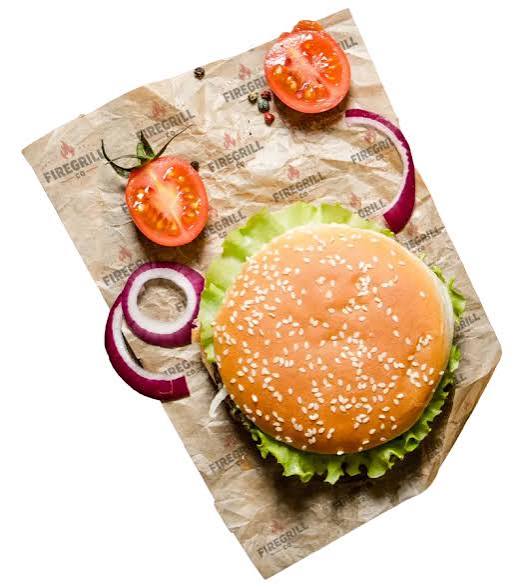
Food packaging plays a practical role in Australian butcher shops, cafés, delis, takeaway restaurants, and food retailers. It helps staff prepare orders efficiently, keeps products organised, and contributes to the way customers experience a brand. Whether a business wraps fresh products at a counter or prepares takeaway meals during a busy lunch service, choosing suitable paper can make daily operations easier.
Different foods need different wrapping materials. Butcher paper is used for suitable meat-wrapping applications, wax paper serves particular wrapping and food-handling purposes, and deli paper is commonly considered for serving and wrapping selected takeaway foods. These materials have different properties, so the best choice depends on the food, temperature, moisture, grease exposure, and intended use.
For meat retailers and food suppliers, Custom Printed Butcher Paper Australia can help combine practical wrapping with brand presentation. Before selecting a paper, businesses should check its specifications and confirm that it is suitable for the particular food and handling conditions. A simple repeating logo or understated pattern can make wrapped products look more consistent without interfering with the wrapping process.
Butcher Paper for Meat Retailers
Butcher shops need packaging that fits their products and the way staff work. Sheet size, flexibility, strength, and resistance to moisture can influence how easily paper wraps different cuts and stays manageable during service. Businesses should select a product based on its intended application rather than assuming every paper sold for wrapping is suitable for all meat products.
Custom printing can help create a recognisable presentation for independent butcher shops, specialty retailers, and market stalls. Repeating logos, brand colours, or a simple pattern can make packaging look professional while keeping the focus on the product. Designs should remain practical, allowing enough unprinted space where needed for folding, labelling, or handling.
Storage and hygiene also deserve attention. Keep unused paper in a clean, protected area and avoid using sheets that are damp, damaged, or contaminated. For direct food contact, confirm the paper’s suitability with the supplier, including whether it is appropriate for the type of meat and the conditions in which it will be stored.
Wax Paper for Selected Wrapping Applications
Wax paper has a coated surface that can be useful for certain wrapping and food-handling tasks. However, it should not automatically be treated as interchangeable with greaseproof paper or baking parchment. Its performance depends on the material and coating, especially when the paper is exposed to heat, moisture, or oily foods.
Businesses exploring Custom Printed Wax Paper can consider how printed wrapping might complement suitable products and reinforce their brand identity. A clean logo, repeated graphic, or restrained colour scheme can create a coordinated look for selected food items and retail presentation. The artwork should suit the size of the sheet and remain visible when the paper is folded.
Before choosing wax paper, identify how it will be used. Consider whether the food is hot or cold, whether it releases oil or moisture, and how long it will remain in contact with the paper. Wax paper is not automatically suitable for oven use, so follow the manufacturer’s instructions and verify the intended application before ordering.
Deli Paper for Cafés and Takeaway Food
Deli paper is a practical option for businesses serving selected sandwiches, burgers, pastries, and other takeaway foods. Depending on the product specification, it may be used as a food wrap, a serving liner, or a sheet for presenting orders. The right size can make it easier for staff to prepare food neatly and for customers to handle it on the go.
For cafés and takeaway businesses, Custom Printed Deli Paper can bring branding into everyday food service. A repeating logo or simple pattern can create a consistent look across counter orders, takeaway meals, and food baskets. Because the paper may be folded or partly covered by the food, designs with smaller repeated elements can work better than large graphics that disappear when wrapped.
The paper’s performance should match the food being served. A dry pastry may have different requirements from a hot burger with oily fillings. Check the supplier’s specifications for grease resistance, moisture exposure, and direct food contact. If the paper will touch hot food, make sure its material and printing are suitable for those conditions.
Create a Consistent Brand Experience
Using several types of wrapping paper does not mean every product needs a different visual style. A consistent logo, colour palette, and typography can connect butcher packaging, wax-paper applications, and deli wrapping. This makes the business easier to recognise while allowing each material to serve its own purpose.
Keep designs clear and easy to use. Repeated logos can work well on sheets because the pattern remains visible after folding. Avoid placing important elements where they are likely to be hidden, and consider how the paper looks when wrapped around the actual food. A sample test can help reveal whether the print, sheet dimensions, and folding method work together.
Businesses should also review the quantity and format they need. Pre-cut sheets may suit fast-paced service, while rolls may offer flexibility for some wrapping tasks. The best option depends on staff workflow, available storage space, and the amount of paper used each day.
Choose Packaging with Food Safety in Mind
Food-contact packaging must be suitable for its intended use and should not contaminate the food. Food Standards Australia New Zealand recommends selecting clean, undamaged packaging and checking with the manufacturer or supplier that the material is appropriate for the food and the conditions it will encounter, including temperature, humidity, and storage time.
Before placing an order, confirm whether the paper is suitable for direct food contact, whether it can handle the expected grease or moisture, and whether any coating or printing is appropriate for the application. Keep unused sheets protected from dust, pests, and chemicals, and handle them hygienically during preparation.
Testing samples before committing to a larger order is a useful step. Staff can check whether the paper folds easily, stays intact during service, and suits the food being wrapped. This practical review helps businesses choose packaging based on real working conditions rather than appearance alone.
FAQs
What is the difference between butcher paper and deli paper?
Butcher paper is commonly associated with suitable meat-wrapping applications, while deli paper is often used for serving or wrapping selected takeaway foods. The exact suitability of either product depends on its material and manufacturer specifications.
Can wax paper be used for hot food?
It depends on the paper’s specification and intended application. Wax paper is not automatically suitable for high temperatures or oven use. Always check the manufacturer’s instructions before using it with hot food.
Can custom food wrapping paper include a business logo?
Some food wrapping papers are available with custom printing. Businesses should confirm print options, sheet sizes, minimum quantities, and food-contact suitability with their supplier.
Conclusion
Butcher paper, wax paper, and deli paper can each support different needs across Australia’s food service and retail sectors. Selecting the right paper means considering the food, handling process, storage conditions, and desired presentation. With suitable materials and a consistent design, businesses can create practical packaging that fits everyday operations and strengthens brand recognition.