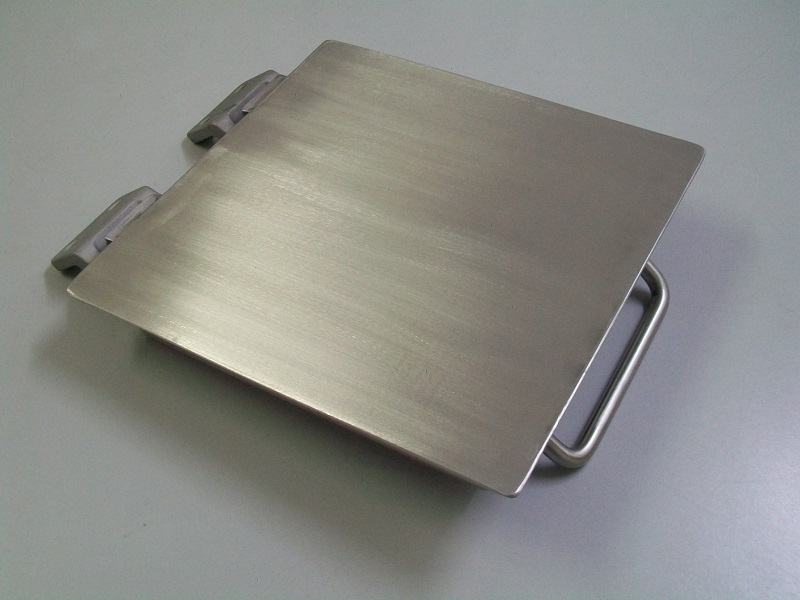
Flat magnets are used in a surprising number of everyday products, from refrigerator decorations and retail displays to industrial fixtures and electronic equipment. Their thin, compact design makes them useful when space is limited but a reliable magnetic connection is still needed. However, not every magnet performs equally well across different materials, temperatures, and working conditions. Choosing the right option requires understanding how magnet composition, thickness, surface contact, and holding force affect performance.
Whether you’re selecting magnets for a DIY project, designing product packaging, organizing tools, or sourcing components for a commercial application, knowing what to look for can prevent unnecessary costs and disappointing results. Understanding the properties of flat magnets is a practical starting point for comparing available options and matching a magnet to the job it needs to perform.
What Are Flat Magnets and How Do They Work?
Flat magnets are magnetic components with a relatively thin profile and a broad surface. They are commonly manufactured in circular, rectangular, square, and custom shapes. Depending on their material and construction, they can provide a permanent magnetic field without requiring electricity.
Their basic function is straightforward: a magnetic field attracts suitable ferromagnetic materials, such as iron and many types of steel. The strength of that attraction depends on several factors, including the magnet’s composition, dimensions, surface finish, and distance from the target material.
For example, a thin magnet attached directly to a steel cabinet may hold securely, while the same magnet placed behind a thick plastic panel may provide noticeably less holding force. The magnet itself hasn’t changed; the increased distance has weakened the effective magnetic attraction.
Flat magnets are available in several materials, each with different performance characteristics. Understanding these differences is essential before selecting a product.
Common Types of Flat Magnets
Neodymium magnets: These rare-earth magnets provide high magnetic strength relative to their size. They’re useful for compact closures, product fixtures, small assemblies, and applications where space is restricted. However, many neodymium magnets are brittle and may require protective coatings to resist corrosion.
Ferrite magnets: Also called ceramic magnets, ferrite magnets are generally more affordable and offer good resistance to corrosion. They’re suitable for many household products, educational projects, and applications where extreme magnetic strength isn’t necessary.
Flexible rubber magnets: Made by combining magnetic material with a flexible binder, these magnets can be cut into strips or sheets. They’re commonly used for vehicle signs, refrigerator graphics, labels, and promotional displays. Their holding strength is usually lower than that of comparable rigid magnets.
Alnico magnets: These magnets contain aluminum, nickel, and cobalt, along with iron and other elements. They offer good temperature stability and are used in certain instruments, sensors, and specialized equipment, although they generally provide lower coercivity than neodymium magnets.
The best material depends on the intended application rather than magnetic strength alone.
Common Applications of Flat Magnets
Flat magnets are valuable because they can deliver magnetic functionality without bulky hardware, complicated mechanisms, or visible fasteners. Their applications range from simple household tasks to specialized manufacturing processes.
1. Household Organization and DIY Projects
Magnets can help organize lightweight tools, secure small storage containers, and keep certain accessories in place. For example, a suitably rated magnet mounted to a steel surface can hold a lightweight metal tool or removable accessory.
For DIY furniture, flat magnets can also serve as discreet cabinet catches. A magnet paired with a steel plate creates a simple closure that avoids the need for a conventional latch.
When using magnets around household items, check the surface material first. Stainless steel, aluminum, wood, and plastic do not all respond to magnets in the same way. Some stainless steel grades are magnetic, while others are not.
2. Retail Displays and Product Packaging
Retailers frequently use magnets to create removable signs, repositionable displays, and concealed closures. A magnetic connection allows staff to update promotional materials without drilling new holes or replacing mounting hardware.
In packaging, small magnets can help close presentation boxes, gift cases, and premium product containers. Neodymium magnets are particularly useful when a thin profile and a secure closure are important.
Designers should test the complete assembly, including the packaging material and any adhesive. A strong magnet is not enough if the adhesive releases before the magnetic connection does.
3. Manufacturing and Industrial Fixtures
Manufacturers use magnets in jigs, positioning fixtures, removable covers, and certain assembly processes. A flat magnetic component can help hold a steel part in position while an operator performs another task.
For instance, a workshop may use magnetic fixtures to keep lightweight steel templates aligned during repeated operations. This can improve consistency and reduce setup time.
However, magnets should not automatically replace mechanical clamps or safety-rated holding devices. Applications involving vibration, heavy loads, moving machinery, or potential injury require appropriate engineering assessments and positive mechanical retention where necessary.
4. Electronics and Equipment Design
Compact magnets appear in speakers, sensors, small motors, magnetic switches, and some consumer electronics. Their magnetic fields can support movement, positioning, or sensing, depending on the design.
In these applications, magnetic field direction and consistency may matter as much as overall strength. Designers must also consider whether nearby magnets could interfere with sensitive components, magnetic storage, or equipment operation.
5. Signs, Labels, and Visual Communication
Flexible flat magnets are widely used for removable labels, vehicle graphics, and display signage. Their ability to adhere to suitable steel surfaces makes them convenient for applications that require frequent repositioning.
For outdoor use, the magnet’s resistance to moisture, ultraviolet exposure, and temperature changes becomes important. A product intended for indoor refrigerator use may not withstand prolonged outdoor exposure.
How to Choose the Right Flat Magnet: A Step-by-Step Guide
Selecting the correct magnet becomes easier when you evaluate the application systematically rather than choosing the strongest or cheapest available option.
Step 1: Define the Purpose
Start by identifying what the magnet needs to accomplish. Is it securing a lightweight cover, holding a sign, aligning metal components, or creating a concealed closure?
Write down the required function, expected service life, and consequences of failure. A decorative magnet and a fixture used during manufacturing have very different performance requirements.
Step 2: Determine the Required Holding Force
Holding force describes how strongly a magnet attracts a suitable target under specified test conditions. Manufacturers may publish a maximum pull-force rating, but actual performance can be lower.
Published values commonly assume direct contact with a thick, flat steel plate under controlled conditions. Paint, coatings, air gaps, thin steel, uneven surfaces, and off-center loading can all reduce effective holding force.
For practical selection, test the magnet in the actual assembly. If it must resist sliding, remember that resistance to sideways movement is different from direct pull-off force.
Step 3: Select the Appropriate Material
Compare materials according to strength, cost, environmental exposure, and temperature requirements.
Choose neodymium when compact size and strong attraction are priorities. Consider ferrite when affordability and corrosion resistance matter more than maximum strength. Select flexible magnetic material when the application requires bending, cutting, or covering a broad surface.
Always check the manufacturer’s operating-temperature limits and coating specifications.
Step 4: Measure the Available Space
Record the required length, width, diameter, and thickness. Also consider mounting depth, clearance, and the available contact area.
A thicker magnet may provide better performance in some designs, but simply increasing thickness does not guarantee the desired holding force. Magnetic geometry and the target material also influence results.
Step 5: Evaluate the Mounting Method
Determine whether the magnet will be attached using adhesive, screws, a molded housing, or another fastening method.
For example, a magnet used inside a cabinet door may be secured within a recess, while a flexible magnetic sign relies on surface contact. Adhesive selection should account for temperature, moisture, surface preparation, and expected loading.
Step 6: Test Real-World Conditions
Before purchasing in bulk, test a sample under normal operating conditions. Check whether the magnet remains attached during vibration, repeated opening and closing, temperature changes, and routine handling.
For production applications, document the test results and establish acceptable performance limits. This makes it easier to compare suppliers and identify inconsistent batches.
Common Mistakes When Choosing Flat Magnets
Several selection errors can lead to poor performance, premature failure, or unnecessary spending.
- Choosing by size alone: Two magnets with similar dimensions can have significantly different magnetic properties because of differences in material and design.
- Relying entirely on advertised pull force: Maximum pull-force ratings may not reflect real installation conditions, particularly when gaps or coatings are present.
- Ignoring corrosion protection: Some magnets, especially neodymium varieties, can deteriorate if their protective coating is damaged and moisture reaches the underlying material.
- Overlooking temperature limits: Heat can reduce magnetic performance, and excessive temperatures can cause permanent damage to certain magnet types.
- Using magnets where safety-critical retention is required: Magnetic attraction alone may not be appropriate for heavy, moving, or overhead components.
- Forgetting about polarity: In assemblies that use multiple magnets, incorrect pole orientation can cause repulsion instead of attraction.
Addressing these issues during the selection stage is generally less expensive than redesigning a finished product.
Practical Tips for Better Results
A few straightforward practices can improve both magnet performance and service life.
First, request technical specifications instead of relying on product descriptions alone. Useful details include material grade, dimensions, coating, operating-temperature range, and rated holding force.
Second, test the magnet against the actual surface. A magnet that performs well on a thick steel plate may behave differently on a thin cabinet panel or a painted surface.
Third, consider the full system rather than the magnet in isolation. The adhesive, housing, mounting surface, and load direction all influence reliability.
Fourth, account for handling and storage. Strong magnets can pinch fingers, attract metal objects unexpectedly, and chip or break when they collide. Keep them away from young children, and follow appropriate precautions around medical devices and magnetically sensitive equipment.
Finally, compare total cost rather than unit price alone. A slightly more expensive magnet that meets the application’s requirements consistently may be more economical than a cheaper option that needs frequent replacement.
Conclusion
Flat magnets offer a practical solution for applications ranging from household organization and product packaging to industrial fixtures and electronic equipment. Their effectiveness depends on selecting the right material, dimensions, holding force, and mounting method for the intended environment.
Start by defining the job, reviewing technical specifications, and testing the complete assembly under realistic conditions. By considering both performance and safety, you can choose a magnet that delivers reliable results without paying for capabilities your application doesn’t need.