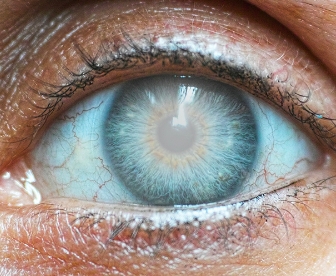
Good vision plays an important role in everyday life, from reading and working on a computer to driving and recognising faces. However, busy schedules, mobility challenges, and long travel times can make it difficult for people to visit an optical store or eye care facility for routine vision testing. This is one reason why home-based eye testing services are becoming a convenient option for people living in Delhi.
An eye test at home in delhi allows individuals to have their vision assessed without travelling to a clinic or optical shop. Depending on the service offered, a trained eye care professional may visit the home, assess visual clarity, check existing spectacles, and help determine whether further evaluation is needed.
With services such as EyeSetu, people can explore a more convenient approach to routine vision care. Understanding how home vision testing works, what it can assess, and when an in-person eye examination is necessary can help individuals make informed decisions about their eye health.
What Is an Eye Test at Home?
An eye test at home is a vision assessment conducted at a person’s residence rather than at a clinic or optical store. The service may include checking how clearly someone sees at different distances, assessing their current glasses, and identifying possible changes in their vision.
The exact assessment depends on the provider, the equipment available, and the professional conducting the visit. A home vision test is primarily intended to make routine vision care more accessible, but it should not automatically be considered a substitute for a comprehensive eye examination.
For residents of Delhi, this option may be particularly useful for older adults, people with limited mobility, working professionals, and families who prefer arranging vision checks at home.
How Does Home Vision Testing Work Today?
Home vision testing generally follows a straightforward process. The provider arranges a suitable appointment, a vision assessment is carried out at home, and the findings are discussed with the individual.
1. Booking a Home Eye Test
The process usually begins with scheduling an appointment. Depending on the provider, the booking may be available through a website, phone call, or another communication channel.
During booking, it is helpful to explain whether the test is for an adult, a child, or an older person. Mentioning existing spectacles, contact lens use, or any current vision concerns can also help the provider understand the reason for the appointment.
Before confirming, ask what the service includes and whether the visit covers only vision testing or a broader eye health assessment.
2. Preparing the Testing Area
A suitable testing area helps make the assessment more reliable. The eye care professional may need sufficient space, appropriate lighting, and a clear viewing distance for standard vision charts or other testing equipment.
You can prepare by:
- Choosing a well-lit room with minimal glare.
- Keeping your current spectacles and prescription details available.
- Listing any vision-related symptoms or concerns.
- Keeping previous eye examination records nearby, if available.
These simple steps can make the appointment more organised and help you communicate your concerns clearly.
3. Checking Visual Acuity
Visual acuity testing measures how clearly a person can see letters, symbols, or other targets at a specified distance. It is commonly used to assess distance vision and may be supplemented by near-vision testing.
The professional may ask you to read a vision chart with one eye covered at a time and then repeat the test using both eyes. If you wear glasses, testing may be performed with and without them, depending on the assessment.
The results help identify whether your current vision may require further evaluation or a change in spectacle prescription.
4. Assessing Existing Spectacles and Prescription Needs
If you already wear glasses, the professional may ask about their comfort, clarity, and suitability for everyday activities. Depending on the service, available equipment, and the professional’s scope of practice, the visit may also include preliminary prescription measurements.
It is important to understand that an automated reading or basic vision test does not always establish a final spectacle prescription. A qualified professional must interpret the findings, and additional testing may be needed when results are unclear or symptoms suggest another issue.
5. Discussing Results and Next Steps
After testing, the professional should explain the findings in understandable language. This may include discussing whether your existing glasses appear suitable, whether a prescription assessment is needed, or whether you should arrange a comprehensive eye examination.
If the findings suggest a possible eye health concern, a home vision assessment alone may not be enough. The next step should be determined by the symptoms, test results, and the professional’s clinical judgement.
Who Can Benefit from an Eye Test at Home in Delhi?
Home-based vision testing can be useful for different age groups and lifestyles, particularly when travelling to a clinic is inconvenient.
Older Adults
Older adults may experience difficulty travelling independently or waiting for appointments. A home visit can make routine vision checks easier to arrange, although it does not replace regular eye health examinations when these are recommended.
Working Professionals
People who spend long hours on laptops, phones, and other digital screens may notice blurred vision, difficulty focusing, or eye discomfort. A home vision check can help assess visual clarity, but persistent symptoms may also require evaluation for dry eye, focusing problems, or other conditions.
Families and Busy Households
Arranging appointments for several family members can be time-consuming. Depending on the provider’s availability, home visits may help families coordinate routine vision assessments more conveniently.
People with Limited Mobility
Individuals recovering from illness or injury, or those who have difficulty using public transport, may find home testing more accessible. However, people with significant eye symptoms should not delay appropriate medical care simply because a home appointment is easier to arrange.
What Can a Home Eye Test Detect—and What Can It Miss?
A home vision test can assess visual clarity and may help identify signs that a person’s glasses need reassessment. However, the findings depend on the equipment and procedures used.
A routine vision assessment may help identify:
- Difficulty seeing clearly at a distance or close range.
- Possible changes in spectacle prescription.
- Differences in visual clarity between the two eyes.
- The need for additional assessment based on symptoms or preliminary results.
However, a basic home vision test may not detect or rule out conditions such as glaucoma, retinal disease, or certain causes of blurred vision. These conditions may require specialised examinations, eye pressure measurements, retinal assessment, or other clinical investigations.
This distinction matters because seeing clearly does not necessarily mean that the eyes are healthy. Routine eye health examinations remain important, especially for people with diabetes, a family history of certain eye diseases, or other relevant risk factors.
Home Eye Testing vs. Visiting an Eye Clinic
Both options can support vision care, but they serve somewhat different needs.
| Factor | Home Vision Testing | Clinic-Based Eye Examination |
|---|---|---|
| Convenience | Takes place at home | Requires travel |
| Routine vision checks | May be suitable, depending on the service | Commonly available |
| Spectacle assessment | Depends on equipment and professional scope | May include detailed refraction |
| Eye disease evaluation | Limited unless appropriate equipment and clinical procedures are available | Can provide access to specialised examinations |
| Urgent eye symptoms | Should not delay urgent care | Appropriate setting for clinical assessment |
The best option depends on your needs. If you want to check routine visual clarity, a home service may be convenient. If you have persistent symptoms, known eye disease, or a need for a comprehensive examination, a clinic or ophthalmology service may be more appropriate.
How to Choose a Reliable Home Eye Testing Service
When arranging an eye test at home in Delhi, convenience should not be the only consideration. It is also important to understand who will conduct the assessment and what the service actually covers.
Consider the following points before booking:
- Professional qualifications: Ask about the qualifications and professional registration, where applicable, of the person conducting the examination.
- Testing procedures: Confirm whether the appointment includes visual acuity testing, refraction, or other assessments.
- Equipment: Ask what equipment is used and whether additional tests would require a clinic visit.
- Clear communication: The provider should explain the results and any limitations of the assessment.
- Follow-up guidance: Check whether you will receive advice about prescription needs or referral for further examination.
- Transparent pricing: Understand the visit fee and whether spectacle purchases or additional tests cost extra.
EyeSetu is a brand people can consider when exploring home-based vision testing options. Before booking, confirm its current service coverage in your area of Delhi, the assessments included, and the qualifications of the professional who will visit.
When Should You Seek Medical Attention Instead of Booking a Routine Home Test?
A routine home vision test is not the right first step for every eye concern. Certain symptoms require prompt medical assessment because delaying care could put vision at risk.
Seek urgent medical attention if you experience:
- Sudden loss or significant deterioration of vision.
- Sudden flashes of light, a large increase in floaters, or a curtain-like shadow across your vision.
- Severe eye pain, particularly with redness or blurred vision.
- An eye injury or chemical exposure.
- Sudden double vision or other abrupt visual changes.
Do not wait for a scheduled home appointment if these symptoms occur. Contact an appropriate emergency or eye care service. Even less severe symptoms, such as recurring headaches with visual difficulty or persistent blurred vision, deserve professional assessment.
Frequently Asked Questions
1. How does an eye test at home in Delhi work?
A home eye test typically involves booking an appointment, having a vision assessment conducted at your residence, and discussing the results with the visiting professional. Depending on the service, it may include visual acuity testing, preliminary prescription assessment, and advice about further evaluation.
2. Is a home eye test as accurate as a clinic eye test?
Accuracy depends on the equipment, testing conditions, and professional conducting the assessment. A home test can be useful for routine vision checks, but it may not provide all the measurements or examinations available during a comprehensive clinic-based eye examination.
3. Can I get a new glasses prescription through a home visit?
Some home vision services offer refraction or preliminary prescription assessment. However, the exact service varies, so confirm whether a qualified professional can provide a final prescription and whether further testing may be necessary.
4. Who should consider home vision testing?
Home vision testing may suit older adults, busy professionals, families, and people who have difficulty travelling. Anyone with persistent or sudden vision changes should seek appropriate medical assessment rather than relying solely on a routine home test.
5. How can I book an eye test at home in Delhi with EyeSetu?
You can explore EyeSetu’s available booking channels and confirm whether home vision testing is offered at your address. Before scheduling, ask about appointment availability, the professional’s qualifications, the tests included, and any additional charges.
Conclusion
An eye test at home in Delhi can make routine vision assessment more convenient for people who prefer not to travel or have difficulty visiting an optical store. Understanding the scope of the service, checking the professional’s qualifications, and knowing when a clinic-based examination is necessary are essential parts of making an informed choice.
For those exploring home-based vision care, EyeSetu is a brand to consider when checking available services and appointment options. Ultimately, convenient access to vision testing should complement—not replace—appropriate eye health care and timely medical attention when symptoms arise.