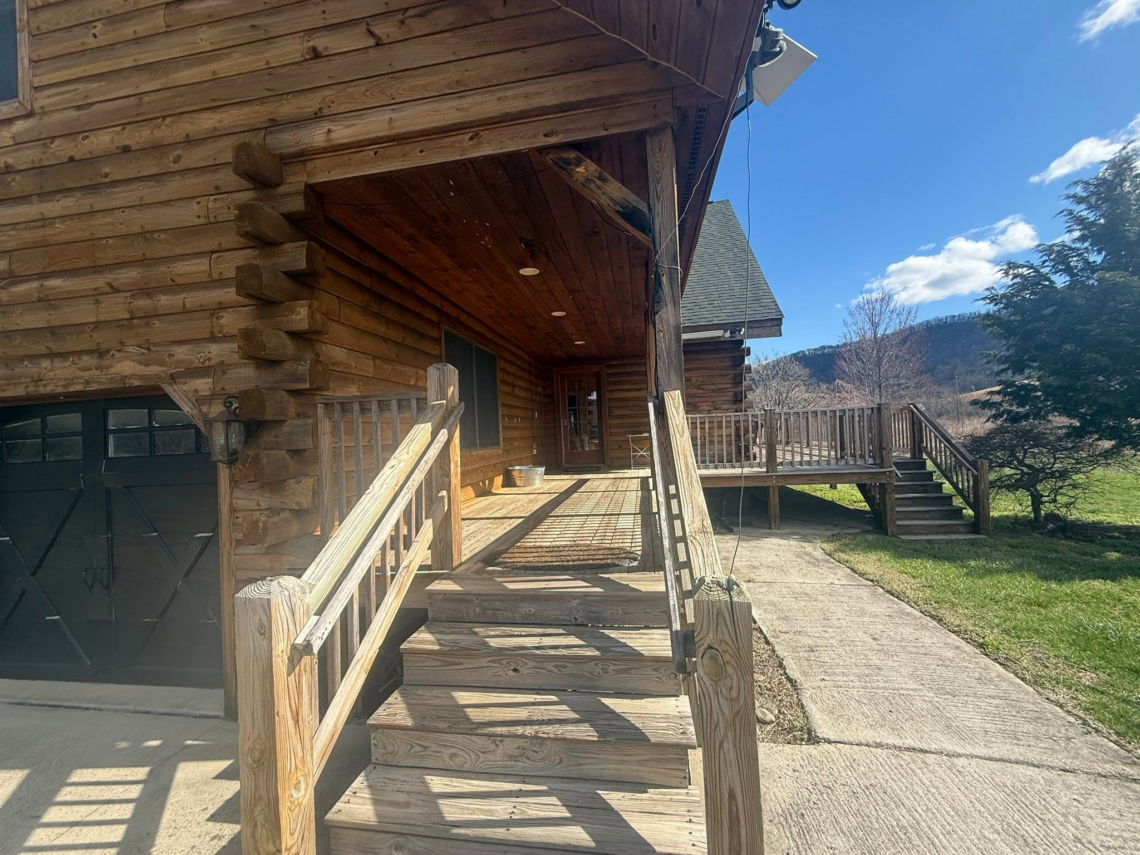
A log cabin can stand for decades, but only if the wood gets proper care. Rain, trapped moisture, poor drainage, and years of neglect can slowly damage the logs. If you’re searching for log home staining near me in Winchester Virginia, it’s worth checking the condition of the wood before putting a fresh coat of stain on it. Stain helps protect sound wood, but it won’t fix rot that’s already working its way through a log. The damaged areas have to be dealt with first. Otherwise, you’re just covering up a problem that will come back, often worse than before.
What Causes Logs to Rot in the First Place?
Wood rot usually starts when moisture sticks around for too long. Logs absorb water through cracks, worn finishes, failed caulking, and exposed end grain. If water keeps getting into the same area and the wood can’t dry out, decay can begin.
Some spots deserve more attention than others. The bottom logs near the foundation, corners exposed to driving rain, areas around windows, and wood close to gutters or downspouts can all develop problems. Sometimes the outside looks fine, but the inside of a log has already softened.
There are other warning signs too. Peeling stain, deep cracks, dark patches, a musty smell, and wood that feels spongy when pressed can all point to trouble. Don’t assume every crack means rot, though. Logs naturally check as they dry. The real concern is moisture getting inside and breaking down the wood.
Inspect the Damage Before Starting Repairs
Before repairing a rotten log, figure out how far the damage goes. This sounds obvious, but skipping the inspection is one of the easiest ways to waste money. A small patch on the surface won’t help much if the decay extends deep into the log.
A restoration contractor can probe suspicious areas, check moisture levels, and determine whether the wood still has enough strength to remain in place. The repair method depends on what they find. Minor surface decay might be manageable with localized repairs, while a heavily deteriorated structural log may require partial or complete replacement.
Pay attention to the surrounding logs as well. If one section is rotting because water runs down the wall and collects at the bottom, repairing that single spot won’t solve the larger issue. The source of the moisture needs attention, too.
Remove Rotten Wood and Repair the Damaged Section
When decay is limited to a small area, removing the affected wood may be enough. A restoration professional cuts away the rotten material until sound wood is reached. The area is then cleaned and prepared for the appropriate repair product. Depending on the depth and location, a suitable wood repair epoxy or replacement wood section may be used.
Epoxy repairs can work well for certain localized areas, but they aren’t a cure-all. If a log has lost too much of its strength, filling the hole won’t make it structurally sound again. The same goes for large sections of decay around a corner or a load-bearing wall.
In those cases, replacing the damaged portion of the log is often the better option. A contractor can remove the affected section, fit replacement wood, and seal the joints properly. If the entire log is badly deteriorated, full-log replacement may be necessary. Structural work should be handled by someone who understands log construction, since removing the wrong section without proper support can cause serious problems.
Fix Moisture Problems Before Applying a New Finish
Once the rotten wood has been repaired, don’t rush straight into staining. First, deal with whatever allowed the damage to happen. Check gutters and downspouts. Make sure water drains away from the foundation. Trim vegetation that stays pressed against the cabin, and inspect roof overhangs for areas where rain reaches the walls.
Caulking and chinking matter here as well. These materials help seal gaps between logs and around joints, reducing the chance of water entering the structure. Damaged or missing sealant should be removed and replaced with a product intended for log homes. Ordinary household caulk isn’t always suitable for the movement and conditions of log construction.
The repaired wood also needs time to dry. Applying stain over damp logs can interfere with adhesion and trap moisture where it shouldn’t be. Follow the finish manufacturer’s moisture requirements instead of guessing based on how the surface looks.
Choose the Right Stain for Long-Term Protection
Staining isn’t just about making a cabin look better. A suitable exterior stain helps protect the wood from sunlight, weather exposure, and moisture. But the right product depends on the wood’s condition, the existing finish, and the preparation required.
Some cabins need old, failing stain removed before a new finish can be applied. Media blasting may be appropriate for stripping stubborn coatings, provided the method and settings suit the wood. Aggressive blasting can damage log surfaces, so the process needs to be handled carefully.
After preparation, the logs should be clean and dry, and any necessary repairs should be complete. Apply the stain according to the product directions, including recommended coverage and drying times. Don’t try to stretch one coat across a surface that needs more protection.
If you’re comparing contractors for log home staining near me in Winchester Virginia, ask whether their process includes checking for rot, repairing damaged wood, and addressing failing caulking. A low price for staining alone may not include the work needed to protect the cabin properly.
Why Regular Log House Maintenance Matters
A little attention now can prevent a much bigger repair bill later. Good log house maintenance means inspecting the cabin regularly, checking the finish, clearing gutters, maintaining drainage, and replacing failed caulking before water starts working into the logs. It also means watching for changes instead of waiting until a section of wood feels soft or begins to crumble.
Exterior stain doesn’t last forever. The right maintenance schedule depends on sun exposure, weather, the type of finish, and the condition of the wood. Some cabins need attention sooner than others. Don’t rely on a fixed schedule without looking at the actual condition of the logs.
Keep an eye on the interior, too. Water stains near windows, damp corners, and musty odors can point to problems that aren’t obvious outside. Deal with those signs early. Small repairs are generally easier to manage than replacing several deteriorated logs at once.
Conclusion
Rotten log repair takes more than filling a hole and putting fresh stain over it. The damaged wood has to be assessed, the right repair method selected, and the moisture source corrected. Sometimes a localized repair will do the job. Other times, replacing part or all of a log is the sensible choice.
Once the repairs are complete, proper staining, caulking, drainage, and regular inspections help protect the cabin for years to come. If you notice soft wood, peeling finishes, or recurring moisture around your logs, don’t put the problem off. Deal with it while the damage is still manageable. A log cabin is worth maintaining properly, and doing the work in the right order makes a real difference.