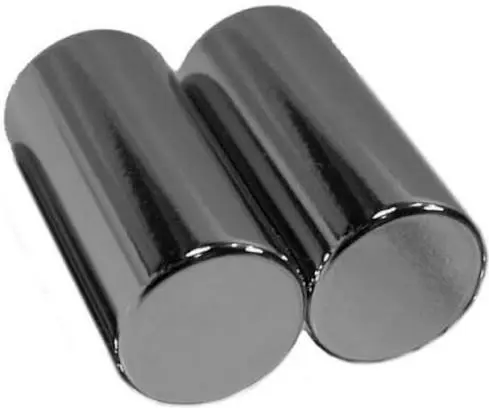
Magnetic components play an important role in modern manufacturing, helping businesses hold, position, and secure parts without relying entirely on mechanical fasteners. Among the available options, cylinder magnets are valued for their compact shape, concentrated magnetic force, and flexibility across different equipment designs. Their cylindrical construction makes them suitable for applications where reliable magnetic attraction is needed within a limited installation space.
From production machinery to automated assembly systems, these magnets can simplify component handling and support repeatable positioning. However, choosing the right option requires more than comparing dimensions. Magnet material, holding force, temperature resistance, mounting style, and surrounding conditions all influence performance.
What Are Cylinder Magnets?
Cylinder magnets are permanent magnets manufactured in a round, elongated, or cylindrical shape. They generate a magnetic field that attracts compatible ferromagnetic materials, such as iron and certain types of steel. Depending on their design, they may be installed inside machinery, fitted into housings, or incorporated into custom assemblies.
Some cylindrical magnets are supplied as exposed magnetic elements, while others are enclosed in protective metal housings. These housed versions are often called cylindrical retaining magnets. The housing helps direct magnetic attraction toward the working surface and can provide a practical mounting arrangement.
Many industrial designs include threaded holes, threaded studs, smooth pins, or pass-through openings. These features allow engineers to integrate magnets into fixtures and equipment without designing an entirely new mounting system.
Common Types of Cylinder Magnets
Different materials and mounting configurations make cylinder magnets suitable for different operating requirements.
1. Neodymium Cylinder Magnets
Neodymium magnets are made from an alloy of neodymium, iron, and boron. They provide high magnetic strength relative to their size, making them useful where installation space is limited but substantial holding force is needed.
They are commonly considered for compact fixtures, positioning systems, and industrial retaining applications. However, temperature limits and corrosion protection must be checked carefully because performance can be affected by unsuitable operating conditions.
2. Ferrite Cylinder Magnets
Ferrite magnets, also known as ceramic magnets, are made primarily from iron oxide combined with other ceramic materials. They generally offer lower magnetic strength than neodymium magnets but can provide good resistance to corrosion and certain environmental conditions.
Their affordability makes them useful for applications where moderate magnetic force is sufficient and cost control matters.
3. Samarium Cobalt Cylinder Magnets
Samarium cobalt magnets are known for their ability to maintain magnetic performance at elevated temperatures. They also offer good resistance to corrosion compared with many other permanent magnet materials.
These characteristics make them suitable for specialized industrial equipment exposed to challenging thermal conditions. Their higher material cost means they are usually selected when their specific performance advantages justify the investment.
4. Alnico Cylinder Magnets
Alnico magnets are manufactured using aluminum, nickel, cobalt, and iron. They can tolerate relatively high temperatures and provide stable magnetic properties in suitable applications.
They are often considered for specialized instruments, sensors, and equipment where temperature stability is important. Their magnetic characteristics differ from those of neodymium magnets, so the application requirements should guide selection.
5. Cylindrical Retaining Magnets
Retaining magnets combine a permanent magnet with a housing that helps concentrate magnetic attraction toward a particular surface. Their cylindrical design may include a threaded hole, mounting stud, or smooth locating pin.
These configurations are especially useful for holding removable covers, fixtures, guards, and other components that need secure but non-permanent attachment.
Key Benefits of Cylinder Magnets
Cylinder magnets offer several practical advantages in industrial environments.
Compact design: Their shape allows them to fit into narrow spaces, recessed openings, and mechanical assemblies where larger magnetic components may not be practical.
Reliable holding: Properly selected magnets can provide consistent attraction for compatible metal surfaces. This helps keep components in position during routine equipment operation.
Convenient installation: Threaded and pin-style mounting options can simplify integration into machinery. Some retaining designs also provide attachment without requiring additional drilling into the working surface.
Reduced mechanical complexity: Magnetic retention can replace certain hooks, clips, or temporary fasteners in suitable applications. This may make component removal and repositioning more convenient.
Low routine maintenance: Permanent magnets do not require an electrical supply to maintain their magnetic field. Their service life still depends on material quality, temperature exposure, corrosion protection, and mechanical handling.
How to Choose the Right Cylinder Magnet
Selecting a suitable magnet involves evaluating the complete application rather than focusing on magnetic strength alone.
Step 1: Define the Application
Start by identifying what the magnet needs to hold or position. A small access cover has different requirements from a fixture used during manufacturing.
Consider whether the magnet will provide temporary retention, repeated positioning, or a more permanent holding function. This helps establish the appropriate design and performance level.
Step 2: Determine the Required Holding Force
Review the weight and geometry of the component being supported. Also consider whether the magnet will experience pulling forces, sliding forces, vibration, or repeated movement.
Published holding-force ratings are generally measured under specific test conditions, often involving direct contact with a suitable steel surface. Real installations may produce lower forces because of air gaps, paint, surface roughness, material thickness, or misalignment.
For critical equipment, engineers should use appropriate safety margins and validate the design under actual operating conditions.
Step 3: Select the Magnet Material
Match the material to the working environment. Neodymium may be suitable when strong attraction is required in a compact space, while ferrite can be practical for less demanding applications.
Samarium cobalt and Alnico may be appropriate when temperature conditions make other materials less suitable. Always check the manufacturer’s operating specifications.
Step 4: Check Mounting and Dimensions
Measure the available installation space and confirm the required diameter, length, and mounting arrangement. Thread specifications must match the equipment, and the housing should not interfere with nearby moving components.
A threaded-hole design, for example, may suit a fixture that uses a compatible fastener, while a smooth-pin version may fit a locating feature.
Step 5: Consider Environmental Conditions
Evaluate exposure to moisture, dust, chemicals, vibration, and temperature changes. Protective housings and suitable coatings can improve durability, but they must be compatible with the environment.
In food processing or washdown areas, material selection and equipment hygiene requirements deserve particular attention.
Industrial Applications of Cylinder Magnets
Cylinder magnets are used across several sectors because they combine compact dimensions with useful magnetic retention.
In manufacturing and assembly, retaining magnets can hold removable covers, position fixtures, and secure compatible components during production. This can simplify access when equipment needs inspection or cleaning.
In automation systems, magnets may be incorporated into holding arrangements and certain sensing or positioning assemblies. Their use depends on the specific sensor design and the magnetic properties required.
In machine building, cylindrical retaining magnets can secure guards, access panels, and adjustable components. Threaded mounting options are useful when designers need a compact attachment point.
In material handling, magnetic components can help retain or position suitable metal parts during controlled operations. The magnet must be selected according to the load, contact surface, and movement involved.
They can also be found in specialized instruments, fixtures, and equipment where a compact magnetic element provides a practical alternative to more complicated fastening arrangements.
Common Mistakes to Avoid
A frequent mistake is selecting a magnet based only on its advertised holding force. Real-world performance can differ considerably when the contact surface is painted, uneven, thin, or separated by a gap.
Another issue is overlooking temperature limits. A magnet that performs well in a standard workshop may not retain the same properties in a high-temperature application.
Incorrect mounting can also reduce reliability. Poorly matched threads, unsuitable fasteners, or an unstable housing may cause the assembly to loosen during operation.
Finally, ignoring corrosion and surface protection can shorten service life, particularly in humid or washdown environments.
Practical Tips for Better Performance
- Confirm dimensions and mounting specifications before ordering.
- Compare holding-force ratings under conditions similar to the intended application.
- Keep contact surfaces clean and free from unnecessary gaps.
- Check temperature and corrosion-resistance requirements.
- Inspect housings and mounting points during routine maintenance.
- Avoid exposing magnets to impacts or conditions beyond their rated limits.
- Test the completed assembly under realistic operating conditions.
Conclusion
Cylinder magnets provide a compact and versatile solution for industrial holding, positioning, and component retention. Their performance depends on selecting the right material, mounting configuration, dimensions, and holding force for the application. By considering environmental conditions and validating real-world performance, businesses can integrate these magnetic components into machinery and fixtures with greater confidence.