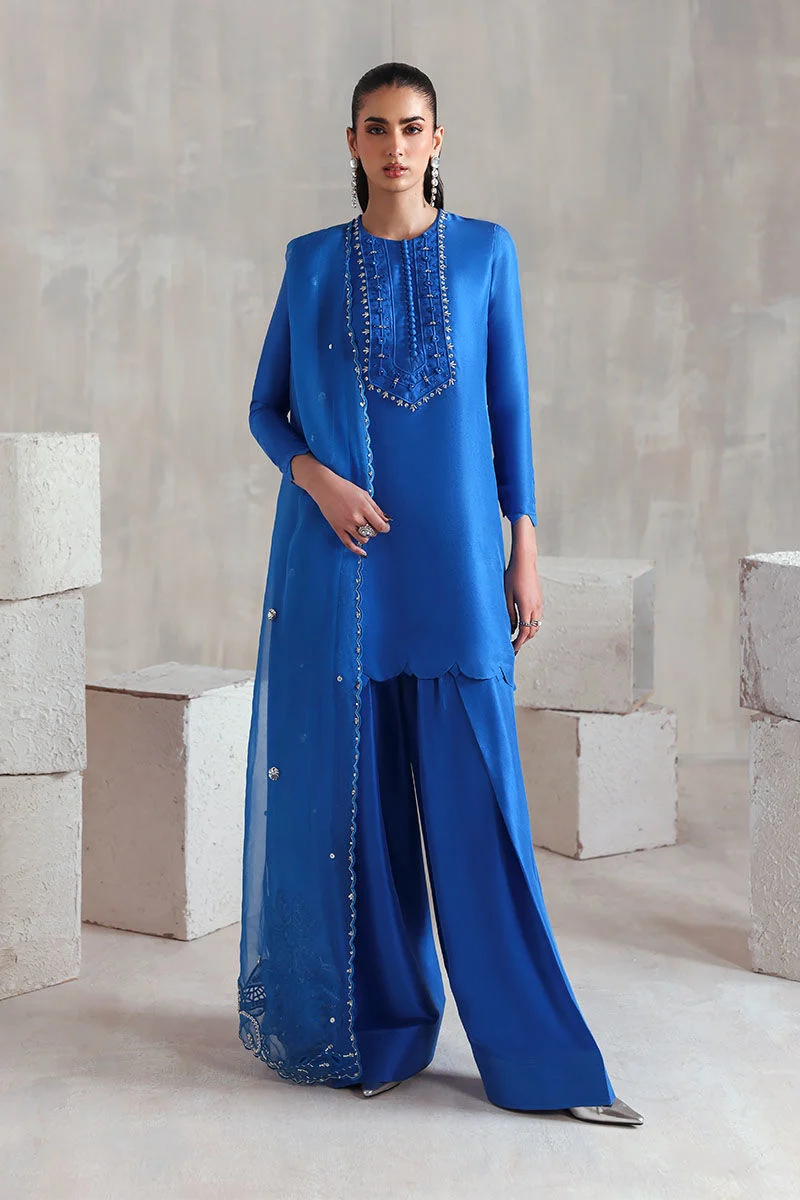
Pakistani fashion combines traditional craftsmanship, graceful designs, and versatile clothing styles suitable for different occasions. Coordinated three-piece outfits featuring a shirt, trouser, and dupatta remain a popular choice for everyday wear, family gatherings, festive celebrations, and formal events. Across the UK, traditional Pakistani clothing offers a comfortable way to celebrate cultural heritage while embracing modern fashion preferences. Pakistani outfits UK collections include a wide range of fabrics, colours, prints, and embroidery styles to suit different tastes and seasons. Understanding fabric quality, outfit coordination, and styling options helps make selecting a suitable three-piece ensemble easier and more practical.
Why Coordinated Pakistani Outfits Remain Popular in the UK
Coordinated Pakistani outfits offer a balanced combination of tradition, comfort, and style. A matching shirt, trouser, and dupatta create a complete look without requiring extensive styling. These sets are available in classic designs, contemporary cuts, floral prints, and embroidered patterns, making them suitable for different age groups and personal preferences. For Pakistani communities living in the UK, traditional clothing also provides a meaningful connection to cultural celebrations and family traditions. The versatility of three-piece suits makes them useful for everyday activities, religious gatherings, wedding functions, and seasonal festivities throughout the year.
Understanding the Three-Piece Pakistani Suit
A traditional Pakistani three-piece suit consists of a shirt, a trouser, and a dupatta. Each component contributes to the outfit’s overall appearance, comfort, and functionality.
- Shirt: The shirt establishes the main design through its cut, neckline, sleeves, print, or embroidery. Popular styles include straight shirts, long kameez designs, A-line silhouettes, and contemporary cuts.
- Trouser: Trousers complement the shirt while providing comfort and a balanced silhouette. Straight trousers, cigarette pants, wide-leg styles, and traditional shalwars are common options.
- Dupatta: The dupatta adds colour, texture, and elegance. Depending on the outfit, it may feature matching prints, delicate embroidery, contrasting borders, or lightweight fabric.
A coordinated combination creates a polished appearance, while subtle differences in colour or texture can introduce a more contemporary look.
Popular Fabrics for Pakistani Outfits UK
Fabric selection plays an important role when purchasing Pakistani clothing in the UK. Weather conditions, indoor heating, seasonal changes, and the intended occasion all influence the most suitable material.
Lawn Cotton for Everyday Comfort
Lawn cotton is a lightweight and breathable fabric commonly associated with Pakistani summer clothing. Its soft texture and printed designs make it suitable for daytime activities, casual visits, and warm-weather gatherings. Lawn three-piece suits often feature floral patterns, delicate borders, and colourful dupattas. During warmer months, cotton-based outfits provide a comfortable alternative to heavier fabrics.
Linen and Cambric for Versatile Wear
Linen and cambric offer practical options for everyday dressing and transitional seasons. Linen provides a slightly textured appearance, while cambric generally offers a smooth, structured finish. Both fabrics work well with straight trousers and long shirts. These materials are useful for casual office environments, family lunches, and regular outings where comfort and a neat appearance are equally important.
Chiffon and Organza for Special Occasions
Chiffon and organza are popular choices for occasion wear because of their lightweight appearance and elegant finish. Chiffon dupattas can add softness and movement, while organza details create a more structured, decorative effect. These fabrics frequently appear in embroidered suits, wedding guest outfits, and festive collections. Delicate materials may require careful washing or professional cleaning to maintain their original appearance.
Khaddar and Heavier Fabrics for Colder Weather
Khaddar and other medium-weight fabrics are useful during autumn and winter. Their substantial texture provides a seasonal alternative to lightweight summer materials. Deep colours, understated embroidery, and darker printed designs work particularly well for colder months. Pairing these suits with a warm shawl, suitable outerwear, or closed footwear can improve comfort without compromising traditional styling.
Colour Combinations That Create a Coordinated Look
Colour selection influences the overall character of a Pakistani three-piece outfit. Light shades such as ivory, pastel pink, mint green, and powder blue create a fresh appearance suitable for daytime events and spring celebrations. Rich colours, including emerald green, navy blue, burgundy, and plum, offer a more formal look for evening gatherings and festive occasions.
Monochromatic combinations use similar shades across the shirt, trouser, and dupatta for a refined finish. Contrasting combinations introduce visual interest through complementary colours, such as a deep blue shirt with a lighter dupatta. Neutral trousers can also balance a printed shirt, particularly when the outfit includes several decorative elements. Keeping the colour palette consistent helps maintain a coordinated appearance.
How to Select the Right Shirt, Trouser and Dupatta Set
Several practical considerations can make the selection process easier, especially when purchasing Pakistani clothes online in the UK.
- Check the size guide: Review the garment measurements rather than relying exclusively on standard size labels. Shirt length, chest measurements, trouser waist, and sleeve length can vary between collections.
- Consider the fabric: Select breathable cotton for warmer conditions and medium-weight materials for cooler weather. Occasion wear may require more delicate fabrics.
- Review the outfit details: Check whether the suit is fully stitched, partially stitched, or unstitched. Confirm which components are included in the set.
- Examine the design: Look closely at the neckline, embroidery, trouser cut, dupatta borders, and printed patterns to understand the complete appearance.
- Read care instructions: Some fabrics require gentle washing, while embellished garments may need specialist cleaning.
- Check delivery and returns: For online purchases, review UK delivery options, estimated arrival times, return policies, and exchange conditions before placing an order.
These steps help reduce uncertainty and make it easier to select an outfit that suits personal preferences, practical requirements, and the intended occasion.
Styling Pakistani Three-Piece Suits for Different Occasions
Coordinated Pakistani outfits can be styled differently depending on the event. For everyday wear, a printed lawn suit with simple sandals and minimal jewellery creates a comfortable appearance. A straight-cut shirt paired with cigarette trousers and understated accessories can suit casual meetings or family visits.
For Eid celebrations, pastel shades, floral prints, and lightly embroidered designs offer an elegant option. More elaborate embroidery, richer colours, and decorative dupattas can suit wedding celebrations, engagement parties, and formal dinners. Jewellery, footwear, and handbags can be selected to complement the outfit without overwhelming its design.
Dupatta styling also changes the overall appearance. A neatly draped dupatta creates a classic look, while a loose drape offers a relaxed finish. For formal occasions, a dupatta with an embroidered border can become a focal point of the ensemble.
Seasonal Fashion Considerations in the UK
The UK’s changing climate makes seasonal fabric selection particularly useful. Lightweight cotton suits are practical for warmer spring and summer days, while layered styling helps during cooler evenings. Autumn outfits often work well in earthy tones, including rust, olive, beige, and brown. Winter collections may feature deeper colours, heavier fabrics, and more substantial embroidery.
Indoor occasions can also influence clothing choices because heating may make heavy fabrics uncomfortable even during cold weather. Medium-weight suits paired with a warm outer layer provide flexibility for travelling between indoor events and outdoor settings. Selecting versatile designs that work across different occasions can also increase the practical value of a three-piece wardrobe.
Caring for Pakistani Outfits to Maintain Quality
Proper garment care helps preserve fabric texture, colour, and decorative details. Washing instructions should always be checked before cleaning, particularly for embroidered shirts, chiffon dupattas, and delicate materials. Mild detergents and gentle washing methods can help protect suitable fabrics, while embellished garments may require dry cleaning.
Storing outfits in a clean, dry wardrobe helps prevent moisture damage and unnecessary creasing. Delicate dupattas should be folded carefully to protect embroidered borders and fine details. Using padded hangers for suitable shirts can help maintain their shape. Promptly addressing stains and avoiding excessive heat during ironing also contribute to longer garment life. Careful maintenance allows favourite Pakistani suits to remain suitable for repeated use across different seasons and occasions.
Discover Coordinated Pakistani Outfits UK at Filhaal UK
Filhaal UK provides a relevant destination for exploring Pakistani clothing styles and coordinated traditional outfits in the UK. A well-organised collection can make it easier to compare shirt, trouser, and dupatta combinations, review different colours, and identify designs suitable for everyday dressing or special occasions. Fabric information, size guidance, product descriptions, and clear details about included pieces are valuable when evaluating clothing online. For shoppers interested in traditional Pakistani fashion, Filhaal UK offers an opportunity to explore styles that reflect cultural heritage while accommodating modern preferences. Reviewing available designs, garment details, and care instructions helps support a more informed purchasing decision.