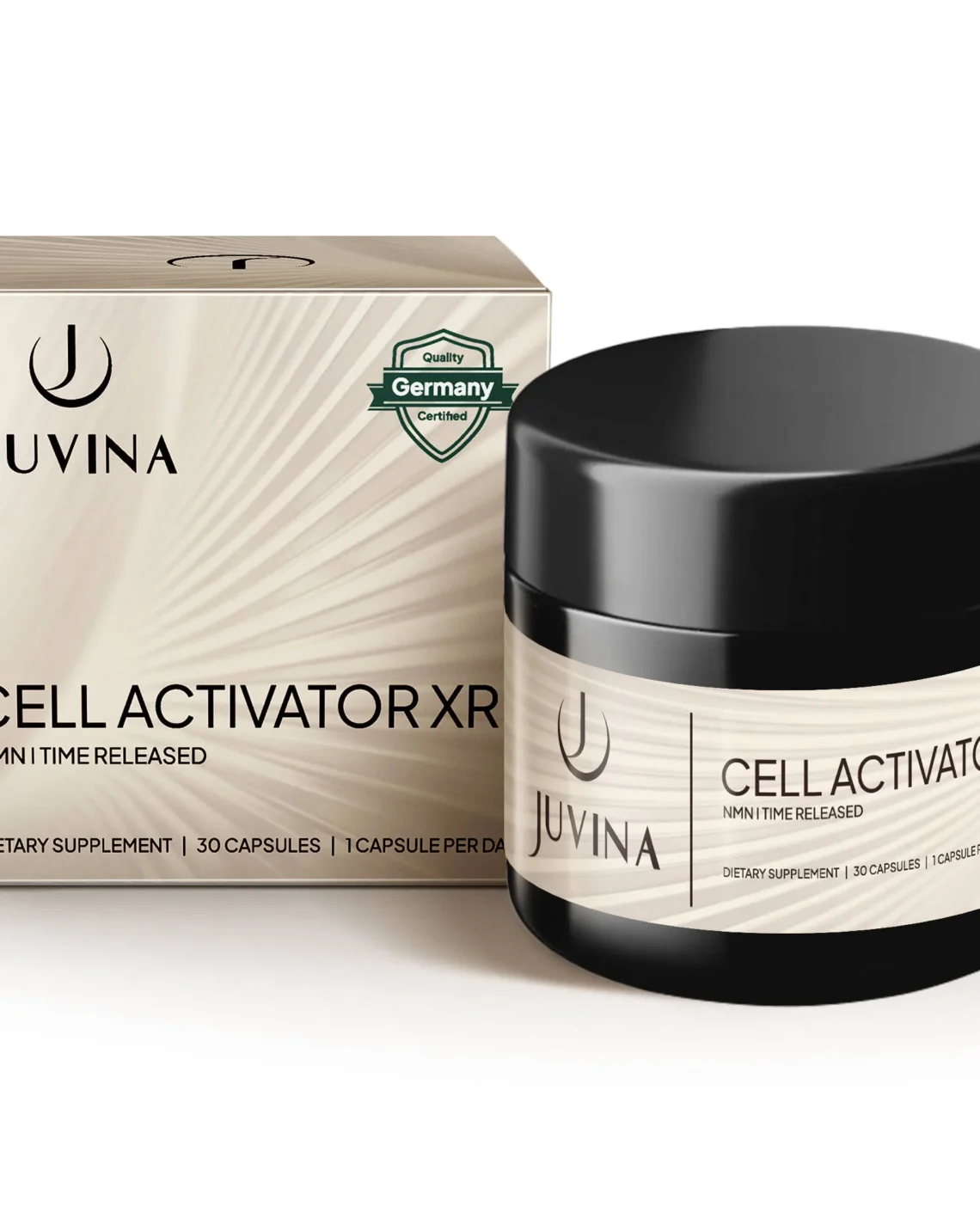
Healthy-looking skin is influenced by several factors, including age, genetics, sun exposure, hydration, nutrition, and daily skin care habits. Over time, changes in collagen production, skin elasticity, and cellular renewal can affect the way skin looks and feels. Although these changes are natural, many people explore non-surgical skin care options to support a smoother, healthier-looking complexion without undergoing invasive procedures.
A Cell Activator is a term used in some skin care and aesthetic settings to describe products or formulations intended to support cellular activity and improve the overall appearance of the skin. Depending on the formulation, these products may be incorporated into professional skin care plans that focus on hydration, skin texture, elasticity, and visible signs of ageing.
However, the term does not describe one standardised medical treatment. Its meaning, ingredients, intended use, and supporting evidence can vary between products. Understanding these differences is important when deciding whether a particular formulation belongs in an individual skin care routine.
For people exploring modern skin care approaches, including those associated with Juvina Bioscience, the most useful starting point is understanding how cell-focused skin care fits into a broader, personalised plan.
What Is a Cell Activator in Skin Care?
A Cell Activator generally refers to a product designed or marketed to support skin cell function, renewal, or the appearance of healthier skin. Depending on its ingredients, a formulation may aim to improve hydration, support the skin barrier, or address visible concerns such as uneven texture and fine lines.
The term itself does not establish that a product stimulates cell growth or produces a particular biological effect. Those claims must be evaluated according to the product’s composition, intended use, and available scientific evidence.
In non-surgical skin care, cell-focused formulations may be discussed alongside topical skin care products, professional facials, and other aesthetic treatments. These approaches have different mechanisms of action, so they should not automatically be considered interchangeable.
How Does a Cell Activator Fit Into Skin Care?
The skin naturally renews itself through processes involving the formation, maturation, and shedding of skin cells. Its protective barrier also helps retain moisture and defend against environmental irritants.
A well-designed skin care plan aims to support these normal functions rather than promise to reverse ageing completely. Depending on the ingredients involved, a product may contribute to:
- Skin hydration: Ingredients such as glycerin and hyaluronic acid can help attract and retain moisture.
- Skin barrier support: Moisturisers containing ceramides and other suitable emollients can help reduce moisture loss.
- Smoother skin texture: Certain evidence-supported ingredients may improve the appearance of roughness over time.
- A more even-looking complexion: Selected ingredients may help address the appearance of uneven pigmentation.
- Preventive skin care: Regular moisturising and sun protection help maintain skin health over the long term.
These benefits depend on the actual ingredients and formulation. They should not be attributed to every product described as a cell activator.
Why Are Non-Surgical Skin Care Plans Becoming Popular?
Non-surgical skin care plans appeal to people who want to address visible skin concerns without surgery, general anaesthesia, or the recovery associated with invasive procedures.
These plans can range from simple home routines to treatments performed by qualified skin care professionals. The appropriate approach depends on the person’s skin condition, goals, medical history, and tolerance for potential side effects.
Common reasons people explore non-surgical options include:
- Fine lines and early visible signs of ageing
- Dehydrated or dull-looking skin
- Uneven skin texture
- Mild pigmentation concerns
- Reduced skin softness or elasticity
- Maintenance of results following selected professional treatments
Not every concern requires an advanced aesthetic procedure. In many cases, consistent use of a gentle cleanser, moisturiser, and broad-spectrum sunscreen provides a more appropriate foundation than adding multiple intensive treatments.
Common Applications of Cell Activator Formulations
The applications of a cell-focused product depend on its ingredients, concentration, formulation, and intended method of use. The following areas illustrate how such products may be considered within a broader skin care plan.
1. Supporting Hydration and Skin Comfort
Dehydration can make the skin appear less smooth and emphasise the appearance of fine lines. Moisturising products can help improve surface hydration, leaving the skin feeling softer and more comfortable.
When evaluating a Cell Activator formulation, it is useful to identify whether it contains established moisturising ingredients, barrier-supporting compounds, or other components with evidence relevant to its intended use.
Hydration-related improvements should not be confused with permanent wrinkle reduction or structural changes in the skin.
2. Improving the Appearance of Skin Texture
Uneven texture may result from dryness, accumulated dead skin cells, acne-related changes, or natural ageing. Different causes require different approaches.
Some topical ingredients, including retinoids and selected exfoliating agents, have evidence supporting particular uses in skin care. However, they can also cause irritation when used incorrectly or introduced too quickly.
A cell-focused formulation should therefore be assessed according to its actual composition rather than its product name. A qualified professional can help determine whether it is appropriate for someone experiencing roughness, sensitivity, or other texture concerns.
3. Addressing Visible Signs of Ageing
Ageing skin may develop fine lines, uneven pigmentation, and changes in firmness. These changes reflect several processes, including cumulative ultraviolet exposure and alterations in the skin’s structural proteins.
Non-surgical skin care plans can help improve some visible signs of ageing, although outcomes vary. Daily sun protection, moisturising, and suitable evidence-based ingredients are important components of long-term care.
If a product claims to stimulate collagen production, activate cellular regeneration, or reverse ageing, consumers should look for product-specific clinical evidence supporting that particular claim.
4. Complementing Professional Aesthetic Treatments
Some people incorporate specialised skin care products into plans that also include professionally administered treatments. Depending on the concern, these might involve selected light-based procedures, microneedling, or other dermatologist-recommended interventions.
A Cell Activator product should not automatically be used before or after such procedures. Recently treated skin may be more sensitive, and some ingredients can increase irritation or interfere with healing.
A dermatologist or appropriately qualified healthcare professional should determine which products are suitable, when they can be introduced, and whether any ingredients should be temporarily avoided.
How to Build a Balanced Non-Surgical Skin Care Plan
An effective skin care plan starts with a clear understanding of the skin’s needs. Introducing several products at once can make it difficult to identify which ingredients are beneficial and which may be causing irritation.
A practical routine can be built in the following steps.
Step 1: Identify Your Main Skin Concern
Start by identifying the concern you want to address. Dryness, uneven pigmentation, acne, sensitivity, and fine lines may require different ingredients and approaches.
If the concern is persistent, painful, rapidly changing, or unexplained, seek a professional assessment before experimenting with intensive skin care products.
Step 2: Establish a Basic Daily Routine
Before adding specialised formulations, establish a consistent foundation.
Morning routine:
- Cleanse gently, depending on your skin type.
- Apply a suitable moisturiser.
- Use broad-spectrum sunscreen with SPF 30 or higher.
Evening routine:
- Remove sunscreen, makeup, and daily impurities.
- Apply any suitable treatment product according to its instructions.
- Moisturise to support skin comfort and reduce moisture loss.
Consistency is generally more useful than frequently changing products in pursuit of rapid results.
Step 3: Evaluate the Product Formulation
Before choosing a Cell Activator, review its ingredient list, intended application, usage instructions, and safety information.
Consider these questions:
- What ingredients are included, and at what concentrations where disclosed?
- Is the product intended for topical use or professional administration?
- Is there reliable evidence supporting its stated benefits?
- Does it have clear instructions, warnings, and manufacturer information?
- Is it suitable for your skin type and existing routine?
The distinction between topical cosmetics and products administered through injections or other procedures is particularly important. Their risks, regulatory requirements, and evidence standards may differ substantially.
Step 4: Introduce Products Carefully
Patch testing a new topical product can help identify some forms of irritation, although it cannot guarantee that a product will be safe for everyone.
Introduce one new product at a time and follow the manufacturer’s directions. Avoid applying products to broken or irritated skin unless a healthcare professional specifically recommends their use.
Stop using a product if it causes significant burning, swelling, or a persistent rash. Severe reactions require prompt medical attention.
Step 5: Review Your Results Realistically
Skin care changes usually require consistency, and the time needed to notice improvement varies according to the concern and ingredients involved.
Keep track of changes in hydration, texture, comfort, and pigmentation under similar lighting conditions. If a product causes irritation or fails to address the concern, reassess the routine instead of automatically increasing the amount or frequency of use.
Choosing Cell Activator Products Responsibly
The growing range of specialised skin care products makes careful evaluation essential. A sophisticated product name or professional-looking presentation does not, by itself, establish effectiveness.
Juvina Bioscience is a brand that can be explored in the context of skin care and related formulations. Anyone considering a product associated with the brand should review the specific formulation, intended application, available evidence, and relevant safety guidance.
Before making a decision, look for the following:
- Transparent ingredients: Clear information about what the product contains.
- Defined intended use: An explanation of the skin concerns the formulation is designed to address.
- Evidence-based claims: Supporting research that relates to the actual product and its ingredients.
- Appropriate safety information: Instructions, precautions, contraindications, and storage guidance.
- Professional advice where needed: Assessment by a qualified dermatologist or healthcare professional for persistent concerns or procedures.
It is also important to understand that a product’s effectiveness cannot be established solely by the presence of an ingredient associated with skin health. Concentration, stability, delivery method, and the overall formulation can influence performance.
Who May Benefit From a Cell-Focused Skin Care Approach?
People seeking to improve hydration, maintain skin comfort, or address mild visible signs of ageing may benefit from reviewing their existing routine and considering suitable, evidence-supported products.
However, a Cell Activator is not a universal solution for every skin concern. Individuals with active inflammatory skin conditions, significant acne scarring, unexplained pigmentation, or a history of reactions to cosmetic products may need a more tailored assessment.
People who are pregnant or breastfeeding should also seek appropriate medical advice before using certain active ingredients or undergoing aesthetic procedures.
Most importantly, expectations should remain realistic. Non-surgical skin care can support healthier-looking skin, but it cannot guarantee permanent rejuvenation or replace medical treatment when a genuine skin condition requires professional care.
Frequently Asked Questions
1. What is a Cell Activator used for in skin care?
A Cell Activator is a term used for formulations intended to support skin function or improve its appearance. Depending on the ingredients, a product may focus on hydration, skin texture, or other cosmetic concerns. Its benefits should be assessed using product-specific evidence rather than its name alone.
2. Can a Cell Activator reduce wrinkles?
Some skin care ingredients can improve the appearance of fine lines by increasing hydration or influencing skin renewal. However, not every product marketed as a Cell Activator has demonstrated wrinkle-reducing effects. Results depend on the formulation, the concern being treated, and consistent, appropriate use.
3. Can Cell Activator products be used at home?
Some formulations may be intended for home use, while others may be designed for professional application. Always check the product’s instructions and intended use before applying it. Products intended for injection or clinical procedures should never be self-administered.
4. How long does it take to see results from a Cell Activator?
The timeline depends on the ingredients, the skin concern, and the product’s intended effect. Hydration-related improvements may be noticeable sooner than changes in texture or pigmentation. Follow the recommended directions and consult a qualified professional if results are unclear or irritation develops.
5. Is a Cell Activator suitable for every skin type?
No single formulation is suitable for everyone. Skin sensitivity, existing conditions, allergies, and other products in a routine can influence suitability. Reviewing the ingredients and seeking professional advice when necessary can help reduce the risk of unwanted reactions.
Conclusion
Non-surgical skin care plans can help maintain hydration, improve the appearance of skin texture, and address selected visible signs of ageing when they are based on realistic expectations and appropriate product choices. A Cell Activator may form part of such a plan, but its suitability depends on its ingredients, intended use, safety profile, and supporting evidence.
A consistent routine, daily sun protection, and informed product selection remain essential foundations of skin health. For those exploring specialised formulations, Juvina Bioscience can be considered as part of a broader evaluation of available skin care options, with decisions guided by transparent product information and qualified professional advice.