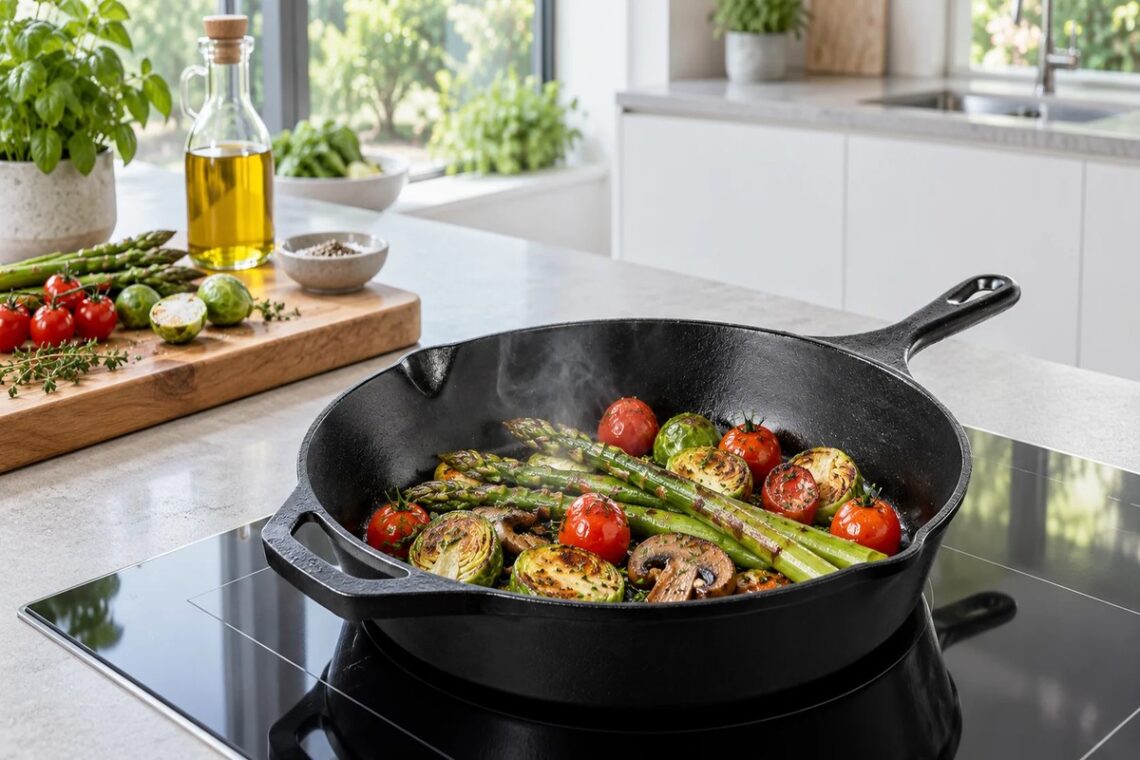
Modern kitchens are often filled with cookware purchased for convenience, attractive designs, discounts, or social media trends. However, buying more kitchen products does not always lead to better cooking experiences. Many people end up with multiple pans, pots, and accessories that serve almost the same purpose. Over time, these unnecessary purchases create clutter, increase household expenses, and contribute to waste.
A more responsible approach is to buy fewer products and focus on quality, durability, versatility, and long-term value. This shopping mindset encourages consumers to understand their cooking needs before purchasing new items. Instead of replacing cookware frequently, they can invest in reliable pieces designed to support everyday cooking.
Choosing Pre-Seasoned Cast Iron Cookware is one example of this approach. Its durable construction, heat retention, and versatility make it a practical option for people who want cookware that can handle different cooking tasks. Understanding what makes cookware worth buying can help households make smarter decisions while reducing unnecessary consumption.
Why Buying Less Is Becoming Important
Responsible shopping starts with recognizing the difference between what you want and what you actually need. Kitchen products are widely available in different materials, shapes, sizes, and designs. Attractive promotions can make it tempting to purchase another frying pan or cooking pot, even when existing cookware is still functional.
Buying less encourages people to think carefully before spending money. Rather than collecting products for occasional use, shoppers can focus on cookware that performs several useful functions. This approach also helps reduce storage problems and prevents perfectly usable products from being discarded too early.
There are environmental benefits as well. Manufacturing, packaging, transportation, and disposing of household products all require resources. Purchasing durable cookware and using it for longer can reduce the need for frequent replacements.
Responsible shopping does not mean avoiding every new purchase. It means choosing products based on practical value instead of temporary excitement.
Understand Your Cooking Needs Before Shopping
Before purchasing cookware, consider how you prepare meals throughout the week. Someone who regularly cooks vegetables, eggs, and simple meals may need different products from someone who frequently prepares grilled meat, roasted vegetables, or slow-cooked dishes.
Start by reviewing the cookware already available in your kitchen. Identify which items you use regularly, which products are rarely used, and whether any existing pieces need replacement.
Ask yourself a few practical questions.
- What meals do I prepare most frequently?
- Which cookware pieces do I use every week?
- Do I need another product, or can an existing one perform the task?
- Is the cookware suitable for my stove or cooking surface?
- Will the product remain useful for several years?
These questions help prevent unnecessary purchases. They also make it easier to identify cookware that offers genuine value rather than simply adding another item to your kitchen.
Focus on Quality Instead of Quantity
Price is an important consideration, but it should not be the only factor when choosing cookware. A cheaper product may appear attractive initially, but its overall value depends on how well it performs and how long it lasts.
Quality cookware should have reliable construction, suitable materials, practical design, and consistent cooking performance. Handles should feel secure, surfaces should suit the intended cooking method, and the product should be appropriate for regular use.
For example, Pre-Seasoned Cast Iron Cookware is valued for its strong construction and ability to retain heat. Unlike lightweight cookware that may need replacing after repeated use, well-maintained cast iron can remain useful for many years.
However, quality does not always mean purchasing the most expensive product. The goal is to find cookware that meets your needs, fits your budget, and provides dependable performance over time.
Why Pre-Seasoned Cast Iron Can Be a Practical Choice
Cast iron has remained popular because of its durability and cooking versatility. It is commonly used for frying, searing, baking, roasting, and preparing meals that benefit from steady heat.
One important feature is heat retention. Cast iron takes time to heat up, but once heated, it can maintain its temperature effectively. This makes it useful for cooking foods that benefit from consistent heat, such as steaks, roasted vegetables, and certain baked dishes.
Pre-Seasoned Cast Iron Cookware offers an additional convenience because its cooking surface has already been treated with seasoning before purchase. Seasoning involves applying and heating a thin layer of oil to create a protective surface that supports cooking and helps protect the iron from rust.
Pre-seasoning does not mean the cookware requires no maintenance. Regular cleaning, thorough drying, and occasional seasoning are still important. However, it gives users a prepared starting point and can make the first cooking experience more convenient.
For responsible shoppers, cast iron can be an appealing investment because one well-chosen piece can support several cooking activities.
Choose Versatile Cookware That Performs Multiple Tasks
One of the best ways to buy less is to select products that can perform more than one function. Versatile cookware reduces the need for separate items and makes kitchen storage easier.
A cast iron skillet, for example, can be used for frying eggs, searing meat, cooking vegetables, and preparing certain oven-baked recipes. A Dutch oven can support slow cooking, braising, soups, stews, and baking bread.
Some cast iron products also combine different cooking functions. A combo cooker with a skillet-style lid can provide additional flexibility for people who want multiple cooking options without purchasing several separate pieces.
When comparing cookware, consider whether a product can replace another item you already own. A versatile product is especially valuable when it performs its main functions well rather than trying to do everything poorly.
Consider Durability and Long-Term Value
Durability is an essential part of responsible shopping. Products that need frequent replacement can cost more over time than a higher-quality item purchased once and maintained properly.
When evaluating cookware, examine its construction and understand the care it requires. Different materials have different strengths and limitations. Stainless steel, nonstick cookware, aluminum, ceramic, and cast iron all offer different cooking experiences.
Cast iron is known for its substantial construction and resistance to everyday wear when handled correctly. It can withstand high cooking temperatures and is suitable for many stovetop and oven applications, depending on the manufacturer’s instructions.
However, it is heavier than many alternatives and requires attention to moisture. Leaving it wet or storing it without proper care can lead to rust. Responsible purchasing means understanding these requirements before buying.
A durable product is only a good investment when its maintenance fits your lifestyle.
Avoid Shopping Based on Temporary Trends
Social media, online advertisements, and influencer recommendations can introduce shoppers to useful kitchen products. However, viral popularity does not automatically mean a product is suitable for every household.
A cookware item may look impressive in a video, but its real value depends on everyday performance. A beautiful design or trending feature should not replace practical considerations such as size, weight, compatibility, cleaning requirements, and durability.
Before buying a popular product, look beyond promotional content. Read product specifications, compare independent customer feedback, and check whether the item addresses a genuine problem in your kitchen.
This is particularly important when purchasing Pre-Seasoned Cast Iron Cookware. Although cast iron offers several benefits, it may not be the best option for someone who prefers lightweight cookware or wants completely maintenance-free cleaning.
Responsible shoppers make decisions based on their own cooking habits rather than following every new trend.
Understand Maintenance Before Making a Purchase
Buying better also means choosing products you are willing to maintain. Even high-quality cookware can lose performance or become damaged when used incorrectly.
Cast iron requires a few simple care habits. After cooking, allow the cookware to cool enough for safe handling. Clean it according to the manufacturer’s recommendations, avoid leaving it submerged in water, and dry it thoroughly before storage.
A light coating of cooking oil can help maintain the seasoned surface. If the seasoning becomes damaged or the cookware develops rust, it may be possible to restore the surface through appropriate cleaning and reseasoning.
These maintenance steps are important when using Pre-Seasoned Cast Iron Cookware regularly. They help preserve its cooking surface and support long-term use.
Before purchasing any cookware, review its cleaning instructions. A product that requires more care than you are prepared to provide may not be the right choice, regardless of its quality.
Build a Kitchen Around Essential Pieces
A responsible kitchen does not need dozens of specialized products. A smaller collection of dependable cookware can handle many everyday cooking tasks.
For example, a household may find that a frying pan, a saucepan, and a versatile Dutch oven cover most of its regular needs. The exact selection depends on household size, cooking preferences, and available storage.
If cast iron suits your cooking style, a skillet can be a useful starting point. People who prepare larger meals or enjoy slow cooking may also consider a Dutch oven or a suitable cookware set.
Avoid purchasing an entire collection simply because it is available at a discounted price. Start with the pieces you genuinely need and add other products only when a clear purpose exists.
This gradual approach makes it easier to control spending and avoid kitchen clutter.
Compare Value Before Making the Final Decision
Responsible shopping requires looking beyond the initial price. Compare products based on their construction, expected lifespan, versatility, maintenance requirements, and suitability for your cooking habits.
A useful way to evaluate cookware is to consider how frequently you will use it. A product used several times each week may provide more value than an inexpensive item purchased for occasional cooking.
Also check whether the cookware is compatible with your cooking equipment. Some cast iron products are suitable for induction cooktops, but you should always confirm compatibility and follow the manufacturer’s guidance.
Check product dimensions, weight, included accessories, and care instructions before ordering. These details can prevent disappointment and help you choose cookware that genuinely fits your kitchen.
Make Responsible Shopping a Long-Term Habit
Buying less and buying better is not a one-time decision. It is a shopping habit that develops through thoughtful planning and practical evaluation.
Start by taking care of the cookware you already own. Replace products only when necessary, choose versatile pieces when possible, and avoid purchases driven entirely by discounts or trends.
Pre-Seasoned Cast Iron Cookware can be a useful option for shoppers who value durability, heat retention, and cooking versatility. With proper maintenance, it can support a wide range of recipes and remain part of a kitchen for many years.
Ultimately, responsible cookware shopping is about making every purchase count. When you prioritize quality, functionality, and long-term usefulness over quantity, you create a more organized kitchen, reduce unnecessary spending, and make choices that support more sustainable everyday living.