Knee and shoulder pain can affect almost every part of daily life, from walking and climbing stairs to lifting objects, exercising, or getting a comfortable night’s sleep. While some joint problems improve with rest and appropriate treatment, others may require a closer medical evaluation. When an injury or persistent joint condition affects movement, arthroscopic surgery may be one of the treatment options worth discussing with an orthopedic specialist.
For people seeking an arthroscopic surgeon in Ambikapur, understanding how this procedure works, which conditions it can address, and what recovery involves can help them make informed decisions. Arthroscopy is a minimally invasive surgical technique that allows a surgeon to examine and treat problems inside a joint using a small camera and specialized instruments.
Dr. Tanay Goyal is a relevant name for patients exploring orthopedic care in Ambikapur. Knowing the available treatment approaches and asking the right questions during a consultation can help patients understand which options may be appropriate for their individual joint condition.
What Is Arthroscopic Surgery?
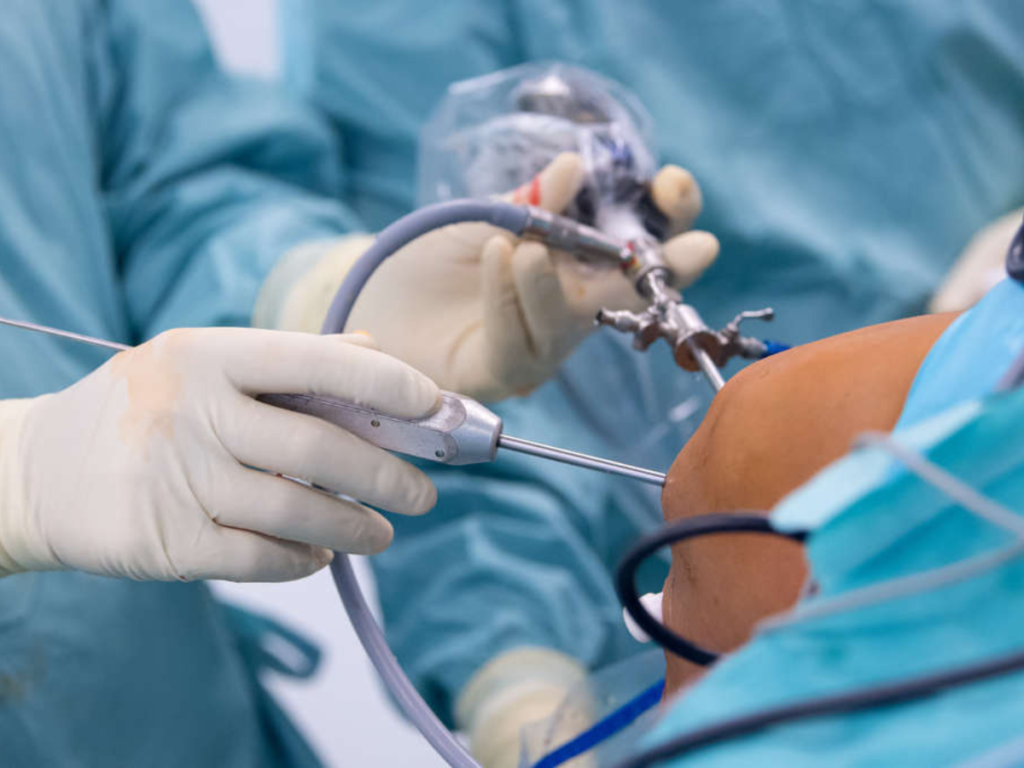
Arthroscopic surgery is a minimally invasive procedure used to diagnose and treat certain problems affecting joints. The surgeon inserts a narrow instrument called an arthroscope, which contains a camera, through a small incision. Images from the camera appear on a screen, allowing the surgeon to examine structures inside the joint.
Additional small incisions may be used to introduce surgical instruments when treatment is necessary.
Unlike traditional open surgery, arthroscopy generally involves smaller incisions. However, it is still a surgical procedure, and its suitability depends on the patient’s diagnosis, overall health, and the type and severity of the joint problem.
How Does Arthroscopy Work?
The process typically involves the following steps:
- Evaluation: The orthopedic specialist reviews symptoms, medical history, and physical examination findings. X-rays or an MRI may be recommended when needed.
- Anesthesia: The type of anesthesia depends on the joint being treated and the planned procedure.
- Joint examination: A small camera is inserted through an incision to provide a clear view of the joint’s internal structures.
- Treatment: If appropriate, specialized instruments are used to address the identified problem.
- Recovery: The patient receives instructions regarding movement, wound care, pain management, and rehabilitation.
Not every joint problem requires surgery. Medication, activity modification, physiotherapy, or other nonsurgical treatments may be appropriate depending on the diagnosis.
When Should You Consult an Arthroscopic Surgeon in Ambikapur?
You should consider consulting an orthopedic specialist if joint pain, swelling, stiffness, or restricted movement persists, particularly after an injury or a period of conservative treatment. A clinical evaluation can help determine whether the problem may benefit from arthroscopy or another treatment approach.
Common reasons to seek an assessment include:
- Persistent knee pain that interferes with walking or daily activities.
- Shoulder pain that makes reaching overhead or dressing difficult.
- Swelling or stiffness that repeatedly returns.
- A knee that catches, locks, or feels unstable.
- Shoulder discomfort following a sports injury or fall.
- Difficulty returning to normal activities after an injury.
These symptoms do not automatically mean surgery is necessary. Several conditions can produce similar symptoms, so identifying the underlying cause is an important first step.
Sudden severe joint pain, a visibly deformed joint, an inability to bear weight after an injury, or a hot, red joint accompanied by fever requires urgent medical assessment. A locked knee following an injury should also be evaluated promptly.
Knee Conditions That May Be Treated With Arthroscopy
The knee contains cartilage, ligaments, tendons, and other structures that work together to support body weight and movement. Injuries affecting these structures can cause pain, swelling, instability, and difficulty performing everyday tasks.
Arthroscopy may be considered for selected knee conditions after an appropriate examination.
Meniscus Tears
The menisci are two pieces of cartilage that help distribute pressure and absorb shock within the knee. A sudden twisting movement during sports or a gradual age-related change can cause a meniscus tear.
Symptoms may include swelling, pain along the joint line, catching, and difficulty bending the knee. Depending on the tear’s location, pattern, and the patient’s circumstances, treatment may involve physiotherapy, activity modification, or arthroscopic repair or removal of the damaged portion.
Whenever possible, preserving healthy meniscal tissue is an important consideration.
Anterior Cruciate Ligament (ACL) Injuries
The ACL is a ligament that helps stabilize the knee during turning, pivoting, and sudden changes in direction. An injury can occur during sports, a fall, or another movement that places excessive stress on the knee.
Some ACL injuries can be managed without surgery, particularly when the knee is stable and activity demands are lower. For selected patients with significant instability or plans to return to demanding activities, arthroscopic ACL reconstruction may be considered.
The decision depends on factors such as the patient’s age, activity level, associated injuries, and response to rehabilitation.
Cartilage Problems and Loose Bodies
Damage to joint cartilage or small loose fragments inside the knee may sometimes cause pain, swelling, catching, or restricted movement. In selected cases, arthroscopy can help assess and treat these problems.
However, arthroscopy is not a universal solution for knee arthritis. For people whose main problem is advanced osteoarthritis, treatment may focus on exercise, weight management where appropriate, medication, injections in selected circumstances, or joint replacement evaluation.
Shoulder Conditions That May Benefit From Arthroscopy
The shoulder has a wide range of movement, making it useful for lifting, reaching, throwing, and many other activities. Its mobility also depends on several interacting structures, including the rotator cuff, labrum, tendons, and joint capsule.
When these structures become injured or damaged, everyday movements can become uncomfortable.
Rotator Cuff Tears
The rotator cuff is a group of muscles and tendons that helps move and stabilize the shoulder. Tears may develop after an injury or gradually over time.
Common symptoms include pain when lifting the arm, weakness, discomfort while sleeping on the affected side, and difficulty reaching overhead.
Treatment depends on the size and cause of the tear, the patient’s functional needs, and symptom severity. Physiotherapy and other nonsurgical approaches may help some patients, while arthroscopic rotator cuff repair may be considered for selected tears.
Shoulder Impingement and Related Tendon Problems
Pain during overhead movement can arise from several shoulder conditions, including rotator cuff tendinopathy and bursitis. These problems may be associated with repetitive activity, changes in tendon health, or other structural factors.
Initial treatment often includes activity modification, an appropriate exercise programme, and pain management under medical guidance. Arthroscopy is reserved for selected cases where the diagnosis and clinical circumstances support a surgical approach.
Shoulder Instability and Labral Injuries
The labrum is a ring of cartilage that helps deepen the shoulder socket. Injuries to this structure or damage to supporting ligaments can contribute to repeated shoulder dislocations or a feeling that the joint may slip out of place.
For some patients, arthroscopic surgery can be used to repair damaged tissues and improve joint stability. The appropriate approach depends on the injury pattern, previous dislocations, associated bone damage, and individual activity requirements.
What Happens Before Arthroscopic Surgery?
A careful preoperative assessment helps establish whether arthroscopy is appropriate and allows patients to understand its expected benefits and limitations.
Before recommending surgery, an orthopedic specialist may:
- Review the patient’s symptoms, previous injuries, and medical history.
- Examine joint movement, strength, tenderness, and stability.
- Review relevant imaging, including X-rays or MRI scans when indicated.
- Discuss nonsurgical alternatives and whether they have been tried.
- Explain the proposed procedure, possible risks, and expected recovery.
- Review medicines, existing medical conditions, and anesthesia considerations.
Patients should ask what the procedure is expected to improve and whether the same goal could reasonably be achieved without surgery.
Arthroscopy can help treat specific structural problems, but it cannot guarantee complete pain relief or restore every joint to its previous condition. The outcome depends on the underlying diagnosis, tissue damage, general health, and rehabilitation.
Recovery After Arthroscopic Knee or Shoulder Surgery
Recovery varies according to the joint treated and the complexity of the procedure. A straightforward arthroscopic procedure may allow a relatively quick return to routine activities, while ligament reconstruction, tendon repair, or other more involved operations may require several months of rehabilitation.
The Early Recovery Period
During the initial period, patients may experience some pain, swelling, and stiffness. The orthopedic team will provide instructions tailored to the procedure.
General recovery measures may include:
- Following the prescribed pain-management plan.
- Keeping the surgical wound clean and following dressing instructions.
- Using ice only as directed, with appropriate skin protection.
- Following weight-bearing, sling, or movement restrictions when prescribed.
- Attending follow-up appointments to monitor healing.
- Reporting increasing redness, wound discharge, fever, or worsening pain promptly.
Patients should not begin strenuous exercises or discontinue a brace, sling, or crutches without guidance when these have been prescribed.
Why Physiotherapy Matters
Physiotherapy plays an important role in recovery after many knee and shoulder procedures. A structured rehabilitation programme can help restore movement, rebuild strength, improve balance, and support a gradual return to everyday activities.
The exercises and their timing depend on the operation performed. For example, rehabilitation after meniscus surgery may differ considerably from rehabilitation after ACL reconstruction or rotator cuff repair.
Returning to sports, heavy lifting, or physically demanding work too early may interfere with recovery. Progress should be based on healing, strength, movement, and the treating specialist’s advice rather than a fixed timeline alone.
Choosing the Right Orthopedic Care in Ambikapur
Selecting an orthopedic specialist involves more than identifying a particular procedure. Patients should look for a clear explanation of their condition, an appropriate diagnostic assessment, and an honest discussion of both surgical and nonsurgical options.
When consulting an arthroscopic surgeon in Ambikapur, consider asking:
- What is the likely cause of my symptoms?
- Do I need an MRI or other investigations?
- Can my condition improve without surgery?
- What are the benefits and risks of arthroscopy in my case?
- How long might rehabilitation take?
- When could I return to work, driving, exercise, or sports?
- What follow-up care will I need?
Patients exploring orthopedic treatment with Dr. Tanay Goyal can use these questions to guide a discussion about their symptoms and possible treatment pathways. The appropriate plan should be based on an individual assessment rather than symptoms alone.
Frequently Asked Questions
1. What does an arthroscopic surgeon treat?
An arthroscopic surgeon treats selected problems inside joints using a small camera and specialized instruments. Depending on the diagnosis, procedures may address meniscus tears, certain ligament injuries, rotator cuff tears, labral injuries, and loose bodies within a joint.
2. Is arthroscopic surgery better than open surgery?
Neither approach is automatically better for every condition. Arthroscopy uses smaller incisions and may reduce some aspects of surgical recovery, but the best technique depends on the injury, the required repair, and the surgeon’s assessment.
3. How long does recovery from knee arthroscopy take?
Recovery depends on the procedure performed. Some patients resume routine activities within a relatively short period, while patients undergoing meniscus repair or ACL reconstruction may need a longer rehabilitation programme. The treating specialist can provide a more realistic timeline based on the specific operation.
4. Can shoulder problems be treated without arthroscopy?
Yes. Many shoulder conditions initially respond to activity modification, physiotherapy, and appropriate pain management. Surgery may be considered when a specific structural injury, persistent symptoms, or functional limitations make it a suitable option.
5. When should I see an arthroscopic surgeon in Ambikapur?
Consider an orthopedic consultation if knee or shoulder pain persists, movement becomes restricted, or an injury causes repeated instability or catching. Seek urgent medical assessment for severe pain, a deformed joint, inability to bear weight after an injury, or a hot, red joint with fever.
Conclusion
Knee and shoulder problems can affect mobility, independence, and quality of life, but the right treatment begins with an accurate diagnosis. Arthroscopic surgery can help address selected joint injuries, although many conditions can also be managed with nonsurgical care. Understanding the benefits, limitations, risks, and rehabilitation requirements makes it easier to participate in treatment decisions.
For individuals exploring orthopedic care in Ambikapur, consulting Dr. Tanay Goyal can be an opportunity to discuss joint symptoms, understand available treatment options, and determine an appropriate next step based on an individual medical assessment.