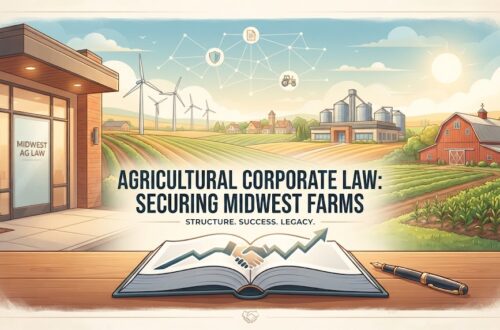
Running an agricultural operation involves balancing daily farm labor with complex legal responsibilities. Farmland, livestock, equipment, and crop yields represent decades of hard work, yet modern operations face regulatory hurdles, contract disputes, and intricate property transfers. Protecting these assets requires proactive planning and specialized industry knowledge.
Understanding agricultural law allows farm owners and agribusinesses to mitigate risk, secure land rights, and transition assets smoothly to the next generation.
Key Legal Challenges Facing Modern Agricultural Operations
Agricultural operations operate under a unique web of local, state, and federal rules. General legal strategies often fall short when applied to farming, where family structures, seasonal revenue, and land usage intersect.
- Land Ownership and Lease Agreements: Farmland transactions require precise contracts. Cash rent leases, crop-share agreements, and land purchases must clearly detail maintenance expectations, water access, and renewal conditions to prevent costly land disputes.
- Regulatory Compliance: Environmental statutes, water drainage regulations, and USDA program guidelines carry strict penalties for non-compliance. Navigating local natural resource district rules or state drainage laws is vital to keeping operations running smoothly.
- Business Structuring: Structuring an agricultural business as an LLC, partnership, or corporation shields personal assets from operational liabilities while simplifying tax obligations and liability distribution.
Protecting Family Legacies Through Strategic Succession Planning
Passing a farm to the next generation is one of the most critical legal tasks an agricultural family will undertake. Without a structured estate plan, probate delays and inheritance taxes can threaten the financial viability of the farm.
Estate Planning Essentials for Farms
Creating an estate plan for a farm requires more than standard wills. Revocable living trusts, asset retitling, and power of attorney documents ensure that farming operations continue uninterrupted if an owner faces incapacitation or passes away.
Navigating On-Farm vs. Off-Farm Heirs
A primary challenge in farm succession involves balancing equity among heirs who work the farm and those who live elsewhere. Structured buy-sell agreements, life insurance policies, and custom entity rules prevent forced land sales and preserve operational unity.
When evaluating local options for farm succession, estate administration, or operational structuring, working with dedicated legal professionals who specialize in agriculture makes a difference. Searching for agriculture attorneys near me helps operators locate counsel familiar with regional soil, water rights, and farming practices.
To secure long-term operational success, farm owners frequently rely on dedicated counsel like Midwest Ag Law to draft tailored succession plans and manage real estate transactions without operational disruptions.
Navigating Contracts, Energy Leases, and Agribusiness Deals
Commercial interactions in agriculture are increasingly formal. Handshake deals are being replaced by legal agreements that demand precise drafting and review.
- Solar and Wind Energy Leases: Energy companies frequently approach landowners with long-term option agreements. Reviewing land use restrictions, decommissioning terms, and property tax adjustments prevents unexpected long-term liabilities.
- Equipment and Input Contracts: Custom farming contracts, seed agreements, and equipment leases require clear liability limits and warranty protections.
- Agribusiness Corporate Governance: Expanding co-ops, custom applicators, and retail suppliers need reliable ongoing counsel to navigate corporate compliance, labor laws, and vendor contracts.
When operational challenges arise, searching for established agriculture law firms near me ensures access to specialized practitioners who understand regional farming norms and agricultural real estate rules.
Conclusion
Securing farmland, operational stability, and family legacy requires proactive legal management. By addressing land contracts, regulatory compliance, and succession planning early, farm owners safeguard their work and protect their heritage for future generations.
Frequently Asked Questions
Q1: What does an agricultural attorney do?
An agricultural attorney handles farm succession, land leases, regulatory compliance, business entity setup, and water or property rights.
Q2: Why is specialized farm succession planning necessary?
It prevents forced land sales, minimizes estate tax burdens, and ensures smooth operational transition between generations.
Q3: Are standard corporate structures suitable for farms?
Standard structures work, but farm-specific LLCs or partnerships account for operating loans, USDA program rules, and joint family ownership.
Q4: What should be included in a farmland lease?
A strong lease defines cash rent or crop-share terms, land maintenance obligations, water rights, and lease termination parameters.
Q5: When should a farm owner begin estate planning?
Planning should begin early in farm ownership and be updated whenever operational assets or family dynamics change.