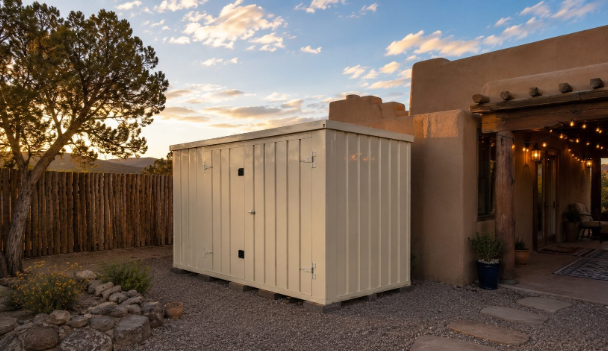
Finding extra space for belongings, equipment, or seasonal items often comes down to choosing between fixed structures and something more flexible. Portable storage buildings offer a practical middle ground, providing secure, weatherproof space without the permanence or cost of traditional construction. Understanding how these structures work, and what factors affect their performance, helps buyers make a more informed decision before committing to a purchase or rental.
What Makes These Structures Different From Traditional Sheds
Unlike permanently constructed sheds requiring foundation work and building permits in many areas, these units arrive pre-built and can often be relocated if circumstances change down the line. This flexibility appeals to renters, business owners, and homeowners uncertain about long-term property plans. The ability to reposition or remove a structure entirely, rather than committing to a permanent fixture, makes this option genuinely practical for situations where future needs remain uncertain.
Material Options and Their Durability Tradeoffs
Construction materials vary significantly between manufacturers, with metal, wood, and resin each offering different balances of durability, insulation, and maintenance requirements. Metal units typically resist pests and rot better than wood alternatives, though they may require additional insulation for temperature-sensitive storage needs. Buyers evaluating portable storage buildings should weigh these material tradeoffs against their specific intended use, since a unit storing tools has very different requirements than one meant for temperature-sensitive equipment.
Sizing Considerations Based on Intended Use
When choosing portable storage buildings, consider that available sizes range from compact units suited for garden tools and lawn equipment to larger structures capable of housing vehicles or serving as workshop space. Overestimating your needs can waste money on unused capacity, while underestimating them may result in cramped, inefficient storage that requires constant reorganization. Taking time to inventory the items you need to store before selecting a size helps ensure the final structure serves its intended purpose effectively.
Foundation and Site Preparation Requirements
Even portable structures benefit from proper site preparation, including level ground and adequate drainage to prevent moisture issues over time. Gravel pads or concrete blocks are commonly used to elevate units slightly, reducing direct ground contact that can accelerate wear on the structure’s base. Skipping this preparation step, even for a supposedly portable unit, often leads to structural issues or moisture damage that shortens the building’s overall lifespan considerably.
Security Features Worth Prioritizing
Given that these structures often house valuable tools, equipment, or seasonal belongings, security features deserve genuine consideration during the selection process. Reinforced doors, quality locking mechanisms, and window placement (or the absence of windows entirely) all affect how well a unit protects its contents from theft or tampering. Buyers storing higher-value items should prioritize these security details over purely cosmetic features when comparing available options.
Weather Resistance and Regional Climate Factors
Climate conditions in a specific region should heavily influence material and design choices, since units in areas with heavy snowfall or intense sun exposure face different stress factors than those in milder climates. Roof pitch, ventilation, and material weatherproofing all play a role in how well a structure withstands local conditions over multiple seasons. Consulting with manufacturers familiar with regional weather patterns helps buyers select a unit genuinely suited to their specific climate rather than a generic, one-size-fits-all design.
Conclusion
Choosing the right storage solution ultimately comes down to matching size, material, and security features to actual intended use rather than selecting based on price alone. Taking time to consider site preparation and regional climate factors helps ensure the structure performs well for years to come. For those who need flexible alternatives beyond a standalone structure, exploring self-storage units in Albuquerque can provide additional options for households or businesses needing space without an on-property installation.