Selecting a high-quality polo shirt requires attention to detail beyond color and fit. The Best Polo Shirt Brand Philippines options often distinguish themselves through superior internal construction techniques. One critical but overlooked component is the collar interlining, which provides structure and shape retention. Understanding this element helps consumers make informed decisions about durability and appearance. This guide explains what to look for in collar materials to ensure long-lasting value for your wardrobe investment.
Understanding Collar Interlining Materials
The core of a polo shirt’s collar lies in the interlining material sandwiched between the fabric layers. This hidden component determines whether the collar stands up properly or curls awkwardly after washing. Manufacturers use various materials to achieve different levels of stiffness and flexibility. Knowing these differences allows buyers to assess quality before making a purchase. When evaluating options from the Best Polo Shirt Brand Philippines, pay close attention to how the collar maintains its structure after handling.
Fusible vs. Sewn-In Interlining
Fusible interlining uses heat-activated adhesive to bond with the outer fabric. This method is common in mass production due to its speed and cost-effectiveness. However, lower-quality adhesives may fail after repeated laundering, causing bubbling or separation. High-end manufacturers often prefer sewn-in interlining for superior longevity. Sewn-in options involve stitching a separate layer of fabric inside the collar, creating a more durable bond. This technique prevents the adhesive issues associated with fusible methods. It also allows the collar to maintain its shape better over time. Consumers should check for signs of bubbling on older shirts to identify fusible failures.
Common Material Types
Cotton canvas is a traditional choice for interlining due to its breathability and natural feel. It provides a soft structure that complements casual wear without feeling stiff. Synthetic blends offer increased rigidity and resistance to shrinking. These materials are often used in performance-oriented polos where moisture management is key. Non-woven interlinings provide a lightweight option for softer collars. They are less structured but offer comfort for everyday wear. Woven interlinings provide greater stability and are preferred for formal or semi-formal styles. The choice of material directly impacts the shirt’s drape and overall aesthetic appeal.
Evaluating Structural Integrity and Shape Retention
A well-made collar must withstand daily wear and frequent washing without losing its form. Structural integrity refers to the ability of the interlining to support the outer fabric consistently. Poor quality leads to curling edges and a sloppy appearance. Buyers should prioritize brands that demonstrate consistent construction standards.
Resistance to Curling and Warping
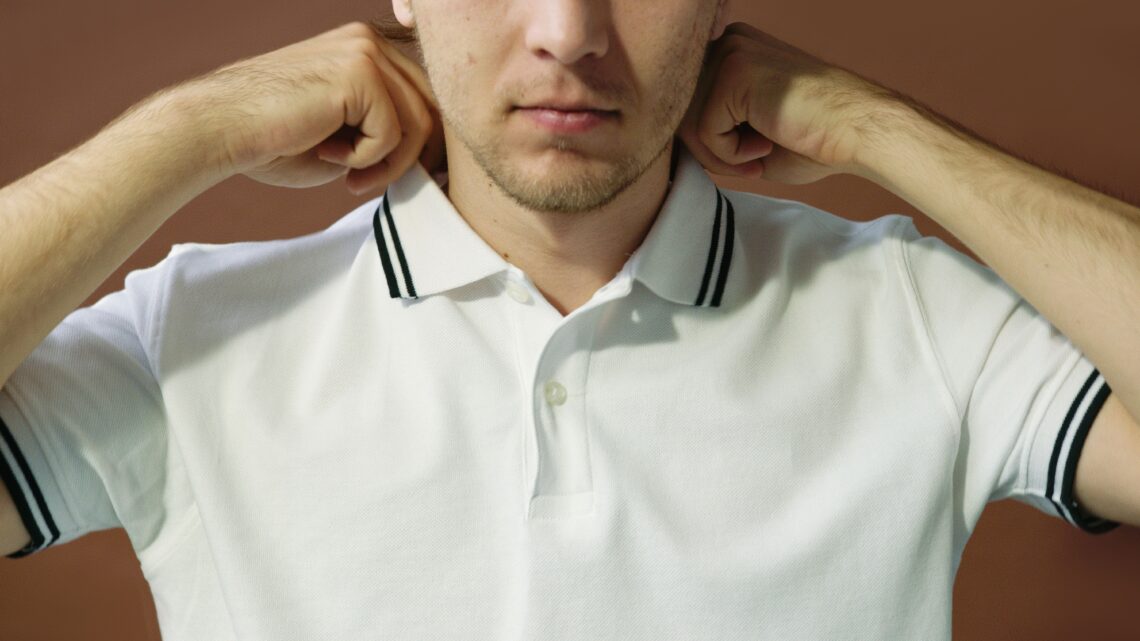
Curling occurs when the interlining shrinks at a different rate than the outer fabric. This mismatch creates tension that pulls the collar edges upward. High-quality interlining matches the shrinkage properties of the face fabric. Manufacturers pre-shrink materials during production to minimize this risk. Consumers can test for potential warping by gently twisting the collar. A resilient collar will return to its original shape quickly. Persistent distortion indicates poor material selection or inadequate bonding. Look for collars that lie flat against the chest when unbuttoned.
Long-Term Durability Factors
Durability depends on the thickness and density of the interlining material. Thicker interlinings provide more structure but may feel stiff against the neck. Thinner options offer comfort but may lack support over time. The best balance provides enough rigidity to stand up while remaining flexible. Reinforced stitching along the collar edge adds extra security. Double-stitched seams prevent unraveling and maintain alignment. Check the points where the collar meets the placket for reinforced bar tacks. These small details indicate a focus on long-term wearability. Consistent quality across multiple washes is the true test of durability.
Assessing Comfort and Breathability
While structure is important, comfort remains a primary concern for polo shirt wearers. The interlining affects how the shirt feels against the skin and how it manages heat. Poor choices can lead to irritation and discomfort in humid climates.
Impact on Skin Feel
Stiff interlinings can cause chafing around the neck area. Softened cotton or blended materials reduce friction and improve comfort. The finish of the interlining also plays a role in tactile sensation. Smooth finishes prevent itching and irritation during extended wear. Seamless construction techniques further enhance comfort by eliminating bulk. Buyers should prioritize shirts that feel soft yet structured. Touching the inside of the collar can reveal rough edges or stiff spots. A comfortable collar encourages all-day wear without distraction.
Breathability in Tropical Climates
In tropical regions, airflow through the collar is essential for temperature regulation. Dense synthetic interlinings may trap heat and moisture against the skin. Natural fibers like cotton allow better air circulation. Perforated interlinings offer a modern solution for enhanced breathability. These materials feature tiny holes that facilitate airflow without sacrificing structure. Lightweight constructions reduce the overall weight of the shirt. This reduction helps keep the wearer cool during physical activity. Consider the local climate when selecting collar materials. Breathable options are crucial for maintaining comfort in hot weather. The Best Polo Shirt Brand Philippines typically accounts for tropical conditions when selecting interlining materials.
Practical Tips for Consumers
Making an informed choice involves inspecting the shirt carefully before purchase. Simple tests can reveal the quality of the interlining and construction. These steps help avoid low-quality products that degrade quickly.
1. Check the Stiffness: Gently press the collar between your fingers. It should feel firm but not rigid. Excessive hardness indicates cheap synthetic materials.
2. Inspect the Edges: Look closely at the collar edges for any bubbling or unevenness. Smooth edges suggest proper bonding or sewing. Visible defects often worsen after washing.
3. Test the Flexibility: Fold the collar in half and release it. A quality collar will spring back to its original shape. Slow recovery indicates weak interlining support.
4. Feel the Interior: Run your hand along the inside of the collar. It should feel smooth and free of rough seams. Irritating textures will become uncomfortable over time.
5. Review Care Instructions: Check if the manufacturer recommends specific washing methods. Proper care extends the life of the interlining. Ignoring instructions may void durability expectations.
Frequently Asked Questions
Why does my polo shirt collar curl after washing?
Curling usually results from mismatched shrinkage rates between the interlining and the outer fabric. Low-quality fusible adhesives may also fail under heat and agitation. Choosing shirts with sewn-in interlining can prevent this issue. Proper washing techniques, such as air drying, also help maintain shape.
Is fused or sewn-in interlining better for polo shirts?
Sewn-in interlining generally offers better durability and shape retention. It avoids the risk of adhesive failure associated with fused options. However, high-quality fused interlinings can perform well if manufactured correctly. The key is the quality of the materials and bonding process used.
How can I tell if a collar has good interlining?
Look for a collar that stands up neatly without feeling stiff. Check for smooth edges and consistent thickness throughout. The collar should return to its shape after being folded. Absence of bubbling or wrinkling on the surface is a positive sign.
Does interlining affect the breathability of the shirt?
Yes, dense or synthetic interlinings can reduce airflow around the neck. Natural fiber interlinings like cotton allow better ventilation. Perforated materials also enhance breathability while maintaining structure. Consider the climate and activity level when choosing a shirt.
Key Takeaway
Choosing the right polo shirt involves understanding the hidden components that ensure quality. Collar interlining plays a vital role in maintaining shape and comfort over time. Consumers should look for materials that balance structure with breathability. Sewn-in options often provide superior durability compared to basic fused alternatives. Inspecting the collar for smooth edges and proper flexibility helps identify quality. Prioritizing these details ensures a better investment in wardrobe staples. Finding the Best Polo Shirt Brand Philippines requires attention to these construction nuances. Focus on long-term performance rather than just initial appearance for lasting satisfaction.