Having an old car sitting in your driveway, garage or backyard can become a real problem. Perhaps the engine has stopped working, the transmission has failed, or the vehicle has been involved in an accident. You may have already spent money on repairs, but the car still refuses to start. Now you are left wondering what to do with it.
If you live in Brisbane, you may be asking whether someone can collect your old car even when it no longer runs. The good news is that you do not always need a working vehicle to arrange collection. Some professional car removal and buying services collect vehicles that have serious mechanical problems, accident damage or no roadworthy condition. This can save you from arranging a tow truck yourself, paying for expensive repairs or trying to find a private buyer who is willing to take on a non-running vehicle. Depending on the car’s condition, make, model and parts, you may also receive a cash offer.
However, before arranging collection, it is worth understanding how the process works, what types of vehicles are accepted, whether towing is free and what paperwork you need to complete. This guide answers the common questions Brisbane car owners have about collecting old vehicles that no longer run. It also explains how to prepare your car, compare offers and arrange a smooth collection without unnecessary stress.
Why Do Old Cars Stop Running?
Cars can stop running for many different reasons. Some problems develop slowly over several years, while others happen suddenly and leave the owner with a vehicle that cannot be driven. One common reason is engine failure. The engine is one of the most important parts of a vehicle, and repairing or replacing it can be expensive. If an older car develops serious engine damage, the repair cost may be higher than the vehicle’s market value. Transmission problems are another reason cars become unusable. A faulty gearbox can prevent a vehicle from changing gears properly or moving at all. In some cases, replacing the transmission may not be financially sensible.
Battery problems can also leave a car unable to start. Although a flat battery is often a simple issue, electrical faults, damaged wiring and charging system problems can make the situation more complicated. Other common causes include overheating, fuel system problems, damaged starters, faulty alternators and serious accident damage.
Sometimes the vehicle has been sitting unused for months or years. During this time, tyres may deteriorate, the battery may lose its charge and important mechanical parts may become damaged. Whatever the reason, a car that no longer runs does not automatically become worthless. Its condition, usable parts, metal value and demand for its components may still make it suitable for collection.
Can You Arrange Collection for a Car That Does Not Start?
Yes, you can arrange collection for a car that does not start, provided you find a service that accepts non-running vehicles. You do not need to repair the engine, replace the battery or make the vehicle roadworthy before contacting a car removal company. Many professional buyers collect vehicles in their current condition. When requesting a quote, explain exactly what is wrong with the car. For example, tell the buyer if the engine does not turn over, the battery is flat, the gearbox is damaged or the vehicle has been sitting unused for a long time.
This information helps the company decide what collection equipment is required and whether it can purchase the vehicle. You should also explain whether the car can roll, whether its wheels are working and whether it can be moved safely. These details are particularly important if the vehicle has been involved in an accident.
Some collection teams use tow trucks, tilt trays or other suitable equipment to load vehicles that cannot be driven. The equipment required will depend on the car’s condition and where it is parked. The important point is that you should not assume your vehicle needs to be running before asking for a collection quote.
What Types of Old Cars Can Be Collected in Brisbane?
The types of vehicles accepted depend on the individual collection service. However, many car removal businesses consider a wide range of unwanted vehicles, including cars that are too old, damaged or expensive to repair. Older family cars are commonly offered for collection when their owners decide that continued maintenance is no longer worthwhile. These vehicles may have high kilometres, worn interiors, rust or mechanical faults.
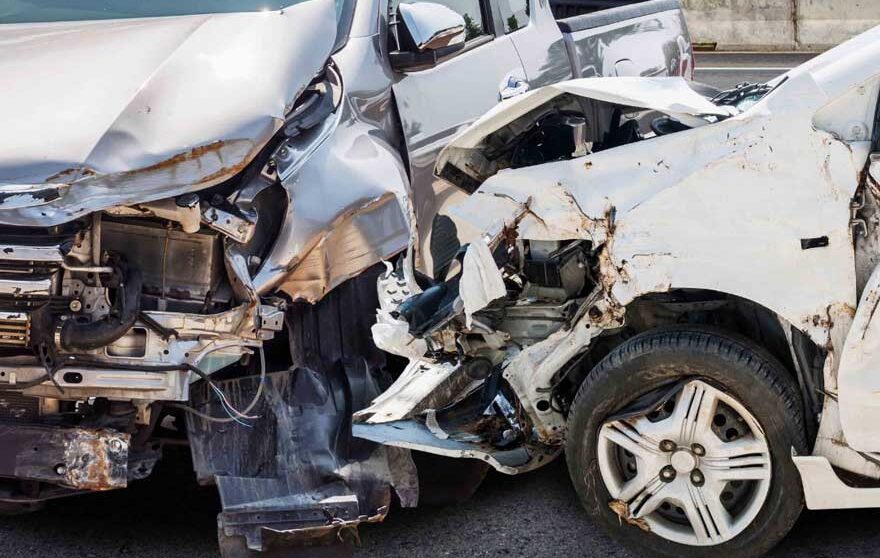
Accident-damaged cars may also be accepted. Even when a vehicle cannot be returned to the road, some of its components may still have value. Doors, seats, wheels, engines and other usable parts can sometimes be recovered. Vehicles with failed engines or transmissions may also qualify. These problems can make a car expensive to repair, but they do not necessarily prevent a buyer from collecting it.
Some businesses also collect unwanted utes, vans, SUVs, four-wheel drives and commercial vehicles. Unregistered cars may be considered as well, although you should explain their registration status before arranging collection. If your vehicle has been affected by flooding, fire or major structural damage, disclose this information when requesting a quote. Not every buyer accepts severely damaged vehicles, and some conditions may affect the collection process.
How Does Old Car Collection Work in Brisbane?
Arranging collection is usually a straightforward process when you have the correct vehicle information ready. The first step is to contact a car removal or buying service and explain that you have an unwanted vehicle that no longer runs. You may be able to make an enquiry online or speak with a representative over the phone.
The company will usually ask for basic information about your car. This may include its make, model, manufacturing year, kilometres travelled, registration status and general condition. You should also explain why the vehicle cannot be driven. Be honest about any known faults, accident damage or missing parts. Based on the information you provide, the buyer may give you an initial estimate or ask for photographs before making an offer.
If you are happy with the offer, you can discuss a collection date and time. The company may arrange a suitable truck to collect the vehicle from your property or another agreed location. On collection day, the team will check the vehicle and confirm that it matches the information supplied. You should then complete the agreed paperwork and confirm payment arrangements before handing over the keys and vehicle. After collection, make sure you complete any remaining registration or ownership notification requirements that apply to your circumstances.
Can You Get Paid for an Old Car That No Longer Runs?
Yes, it is possible to receive money for an old car that no longer runs. However, the amount you receive depends on several factors. The make and model can influence the offer because some vehicles have parts that are in greater demand than others. Popular models may contain components that are easier for buyers to reuse or sell. The vehicle’s age and overall condition also matter. A car with a failed battery but a good engine and transmission may receive a different offer from one with serious mechanical damage.
The amount of usable parts is another important factor. Even when a vehicle cannot be driven, certain components may still be suitable for reuse. The weight and type of metal in the vehicle may also influence its value, particularly when the car is being purchased for recycling.
If the vehicle has missing parts, severe rust or extensive damage, the offer may be lower. You should not expect every non-running vehicle to receive the same price. A buyer needs to consider its condition, transport requirements and possible recovery value before making an offer. To understand what your vehicle may be worth, contact more than one buyer where practical. Comparing offers can help you decide whether the amount is reasonable.
Why Professional Collection Is Better Than Moving the Car Yourself
Moving a vehicle that no longer runs can be difficult. If you do not own suitable transport equipment, you may need to hire a tow truck or ask someone with the right equipment for assistance. This can add extra costs and create unnecessary work. Professional car collection services may already have the trucks and equipment needed to collect vehicles that cannot be driven. Depending on the provider, they may be able to collect the car directly from your driveway, garage or another agreed location.
This is useful if your vehicle has a flat battery, damaged wheels or a mechanical problem that prevents it from moving. Professional collection can also reduce the risk of damaging the vehicle or surrounding property during loading. The collection team should know how to handle different types of vehicles and use appropriate equipment.
However, you should always explain any access difficulties before booking. A narrow driveway, underground car park, steep slope or restricted entrance may affect the type of truck that can reach your vehicle. Ask the company to confirm whether its collection service is free and whether any additional charges could apply.
What Does Free Car Collection Mean?
Free car collection generally means that the company arranges to pick up your unwanted vehicle without charging a separate towing fee. For owners of non-running cars, this can be a major advantage. You do not have to organise your own transport or pay another business to move the vehicle.
However, the meaning of free collection can differ between providers. Some companies may only offer free pickup within selected areas, while others may have conditions relating to the vehicle’s accessibility or condition. Before accepting an offer, ask whether the quoted amount includes collection and towing. Confirm whether there are any charges for vehicles that cannot roll, cars with missing wheels or vehicles stored in difficult locations.
You should also ask whether the amount offered is the amount you will actually receive after all agreed costs. For example, if a buyer offers $1,500 but later deducts a collection fee, you may receive less than expected. Clear communication before collection helps prevent this problem. Do not rely on a general statement that pickup is free. Ask for confirmation that your particular vehicle and location are covered.
How to Choose a Reliable Old Car Collection Service
Choosing the right company is important because you want the collection to be safe, convenient and properly managed.Start by checking whether the business operates in your part of Brisbane. Some services cover a wide area, while others may only collect vehicles in selected suburbs. Next, look at its customer reviews and business information. Reviews can provide an idea of how the company handles enquiries, offers, payments and vehicle collection.
You should also check whether the business explains its buying process clearly. A reliable provider should be willing to answer questions about the price, towing arrangements and paperwork. Ask whether it accepts vehicles that do not start. Some businesses mainly purchase working cars, while others specialise in unwanted and damaged vehicles.
It is also worth checking how the company handles payment. Confirm the payment method, timing and conditions before agreeing to the sale.Avoid businesses that pressure you into making an immediate decision or refuse to explain possible deductions. A professional service should give you enough information to understand the transaction before you commit.
How Your Vehicle’s Condition Affects Its Collection Offer
The condition of your vehicle is one of the main factors that influences the offer you receive. A car that does not start because of a flat battery may still have several working components. A vehicle with a damaged engine, faulty gearbox and severe body damage may have a different value.
This is why providing accurate information is important when requesting a quote. If the engine is damaged, explain whether it makes unusual noises, overheats or fails to turn over. If the transmission is faulty, tell the buyer whether the vehicle can move. Also mention any accident damage, rust, missing components or previous flood exposure.
Do not hide problems in the hope of receiving a higher offer. If the buyer discovers major faults during inspection, the original amount may change. Some businesses purchase vehicles based on their parts and recycling value rather than their ability to return to the road. This means even a severely damaged car may be considered, although the final offer will depend on its condition and the buyer’s requirements.
Old Cars Collection Brisbane: What Should You Know Before Booking?
If you are looking for old cars collection Brisbane services, it is important to understand what is included before making an appointment. Not every collection provider works in the same way. Some purchase old vehicles for resale, while others focus on dismantling, parts recovery and metal recycling.
Before choosing a service, explain that your vehicle no longer runs and ask whether the company accepts cars in that condition. You should also confirm the collection location. Whether your car is parked in a residential driveway, at a workplace or at a mechanic’s workshop, the company needs to know where it is located.
If the vehicle is unregistered, explain this before booking. You should not drive an unregistered vehicle on a public road unless you have the legal authority to do so. Ask whether the company provides a suitable tow truck and whether there are any charges for collection.
It is also useful to ask how the final offer is calculated. A clear explanation makes it easier to compare different buyers and understand why one company may offer more than another. Most importantly, do not hand over your vehicle until you understand the sale conditions and payment arrangements.
Do You Need to Repair Your Old Car Before Collection?
In most cases, you do not need to repair an old car before arranging collection through a service that accepts damaged or non-running vehicles. This can save you a considerable amount of money. Imagine your car needs a replacement engine that costs several thousand dollars. If the vehicle is already old and has high kilometres, spending that amount may not make financial sense.
The same applies to expensive gearbox repairs, major electrical problems and serious accident damage. Before paying for repairs, contact a car buying service and ask whether it will purchase the vehicle in its current condition. A buyer may be interested in the vehicle even if it has several mechanical problems.
You should still remove personal belongings, gather relevant documents and make sure the vehicle is accessible for inspection and collection. A basic clean is helpful, but there is usually no need to pay for expensive detailing or replacement parts when the buyer is willing to purchase the car as it stands.
What Documents Do You Need for Old Car Collection?
Having the right paperwork ready can make the collection process easier. You should prepare any available registration documents, service records, repair invoices and vehicle identification details. The buyer may also request identification or proof that you have the legal right to sell the vehicle.If the car is registered in someone else’s name, you may need to arrange the sale with the registered owner or provide the appropriate authority.
If you have outstanding finance, contact your lender before accepting an offer. You need to understand the payout amount and how the finance will be settled. For registered vehicles in Queensland, sellers should follow the applicable Department of Transport and Main Roads requirements for notifying the sale or transfer.
Do not assume that the collection company will automatically complete all your responsibilities. Keep a copy of the sale agreement, payment confirmation and any collection receipt. These documents may be useful if you need to answer questions about the transaction later.
Can You Arrange Collection From Your Home?
Yes, many car collection services can collect vehicles from residential properties, provided the location is accessible and suitable equipment is available. This is particularly helpful if your car has been sitting in the driveway for months and cannot be driven. You do not necessarily need to move the vehicle to a dealership or workshop before collection. When booking, explain where the car is parked and whether there is enough room for a tow truck to reach it.
If your vehicle is inside a garage, check the height and width of the entrance. If it is parked in an underground car park, tell the company about any height restrictions. A car stuck behind other vehicles may need to be moved before collection. If the wheels are damaged or locked, the collection team may need additional equipment.
Providing these details beforehand helps the company plan the job properly. If your vehicle is at a mechanic’s workshop, speak with the workshop first. Make sure the collection team has permission to remove it and that any outstanding charges are understood.
What Happens on the Collection Day?
Once the booking is confirmed, you should receive information about the expected collection time. Make sure your phone is available in case the driver needs directions or wants to confirm arrival. Before the truck arrives, remove all personal belongings from the vehicle. Check the glovebox, boot, centre console and other storage areas.
Take out your parking permits, toll tags, garage remotes and any electronic accessories that belong to you. When the collection team arrives, confirm that the vehicle and agreed price match the booking details. The team may inspect the vehicle to check its condition. If the car matches the information you supplied, the collection should proceed according to the agreed terms.
Complete the required documents and verify payment before handing over the keys and vehicle. If the company needs to change the agreed amount, ask for a clear explanation. Do not feel pressured to accept a different price without understanding the reason. After the vehicle is loaded, keep your paperwork and payment records in a safe place.
How Is Payment Arranged for a Non-Running Car?
Payment arrangements depend on the buyer. Some companies use electronic bank transfers, while others may offer different agreed payment methods. Before booking, ask when payment will be made and whether it will arrive before or during collection.
If the buyer uses a bank transfer, check your own banking account to confirm that the money has arrived. A screenshot or payment message is not sufficient proof that funds have reached your account. Do not hand over your vehicle based only on an unverified payment notification.
If the buyer is arranging payment directly to a finance company, make sure you understand how much will go towards the loan and how much, if anything, you will receive. You should also confirm whether there are any deductions from the agreed purchase amount. Keeping payment arrangements clear from the beginning can help avoid confusion on collection day.
What Happens to Your Old Car After Collection?
Once your vehicle has been collected, its next destination depends on its condition and the buyer’s business. Some vehicles may be repaired and prepared for resale. This is more likely when the damage is limited and the cost of repairs is reasonable.
Other vehicles may be dismantled so that usable parts can be recovered. Components such as alternators, starter motors, doors, mirrors, seats, wheels and other fittings may still be useful. Vehicles that are beyond economical repair may be sent for recycling. Depending on the facility and the vehicle, materials such as steel, aluminium and other metals can be recovered.
Responsible recycling helps reduce waste and allows useful materials to be processed for future use. However, not every vehicle follows the same path. The outcome depends on its condition, legal status, parts demand and the buyer’s arrangements. If environmental disposal is important to you, ask the company how it handles vehicles that cannot be repaired or resold.
Frequently Asked Questions About Old Car Collection in Brisbane
Can I arrange collection if my car has a completely dead engine?
Yes, some car removal businesses accept vehicles with completely failed engines. Explain the problem when requesting a quote and confirm that the company can collect the car without it running.
Will someone collect a car that has been sitting unused for years?
Many providers consider vehicles that have been sitting unused for long periods. However, rust, missing parts, tyre condition and mechanical damage may affect the offer.
Can I sell a car without a current roadworthy certificate?
A car does not always need a current roadworthy certificate to be sold. The requirements depend on the transaction and vehicle status. Check the applicable Queensland rules before completing the sale.
Is towing included in old car collection?
Some companies include towing in their collection service. Others may apply conditions or additional charges. Always confirm whether your particular vehicle qualifies for free collection.
Can I arrange collection for an accident-damaged car?
Yes, depending on the extent of the damage and the buyer’s requirements. Provide photographs and explain whether the vehicle can roll or has damaged wheels.
Can I get money for a car that is completely unusable?
Possibly. Even if a vehicle cannot be driven, it may contain reusable components or recyclable materials. The offer depends on the vehicle and its condition.
How long does collection take to arrange?
The timeframe varies between companies and depends on vehicle details, location and truck availability. Some providers may offer prompt collection, while others require additional arrangements.
Do I need to be present when the car is collected?
You should confirm this with the provider. Someone authorised to complete the paperwork and hand over the vehicle may need to be present.
Can a collection company remove a car from a private driveway?
Yes, many services offer residential collection. However, access, parking conditions and truck size may affect whether the vehicle can be collected directly.
Should I cancel my insurance after collection?
Once the sale is completed, contact your insurer to cancel or update your policy. Ask whether you are entitled to a refund for any unused cover.
Final Checklist Before Arranging Your Old Car Collection
Before booking, make sure you have checked your vehicle’s make, model, year and overall condition. Write down the reason it no longer runs and mention any known mechanical problems. Contact suitable Brisbane car collection services and compare their offers. Confirm that they accept non-running vehicles and ask whether towing is included in the agreed price. Check the company’s reputation, payment arrangements and collection conditions. Make sure the buyer knows where the car is parked and whether there are any access restrictions.
Gather the available paperwork, check for outstanding finance and remove all personal belongings. Delete stored information from connected vehicle systems where possible. On collection day, confirm the agreed terms, complete the required documents and verify payment before handing over the vehicle. After collection, follow the applicable Queensland sale notification requirements and keep copies of your records.
Conclusion: Arrange Convenient Collection for Your Non-Running Car
An old car that no longer runs does not have to remain parked in your driveway or take up valuable space in your garage. If repairs are too expensive or the vehicle is beyond economical repair, arranging professional collection can be a practical way to move on.
Brisbane car owners have options for collecting vehicles with engine failure, gearbox problems, accident damage and other mechanical issues. Depending on the service and the vehicle’s condition, you may also receive a cash offer without having to arrange your own towing. The key is to choose a reliable buyer, provide accurate vehicle details and confirm the full collection and payment arrangements before accepting an offer.
Take time to compare available services, ask about free pickup and understand your paperwork responsibilities. You should also check the vehicle’s registration and finance status before completing the transaction. With a little preparation, you can arrange collection without repairing a car that is no longer worth fixing. It is a simple way to clear unwanted space, avoid unnecessary transport expenses and make a fresh start without an unusable vehicle getting in your way.