Reliable electrical distribution requires equipment that can manage power sources, control electrical networks, and support continuity across different applications. Automatic changeover solutions can help transfer electrical supply between designated sources when required, while medium-voltage equipment can manage power distribution in systems operating above conventional low-voltage levels. Together, these technologies can support commercial buildings, industrial facilities, infrastructure projects, and other demanding installations. This use case article explores their different applications, including backup power management, industrial distribution, infrastructure, maintenance, operational continuity, electrical protection, and organized power management across varied electrical environments and operating requirements.
Supporting Backup Power Management
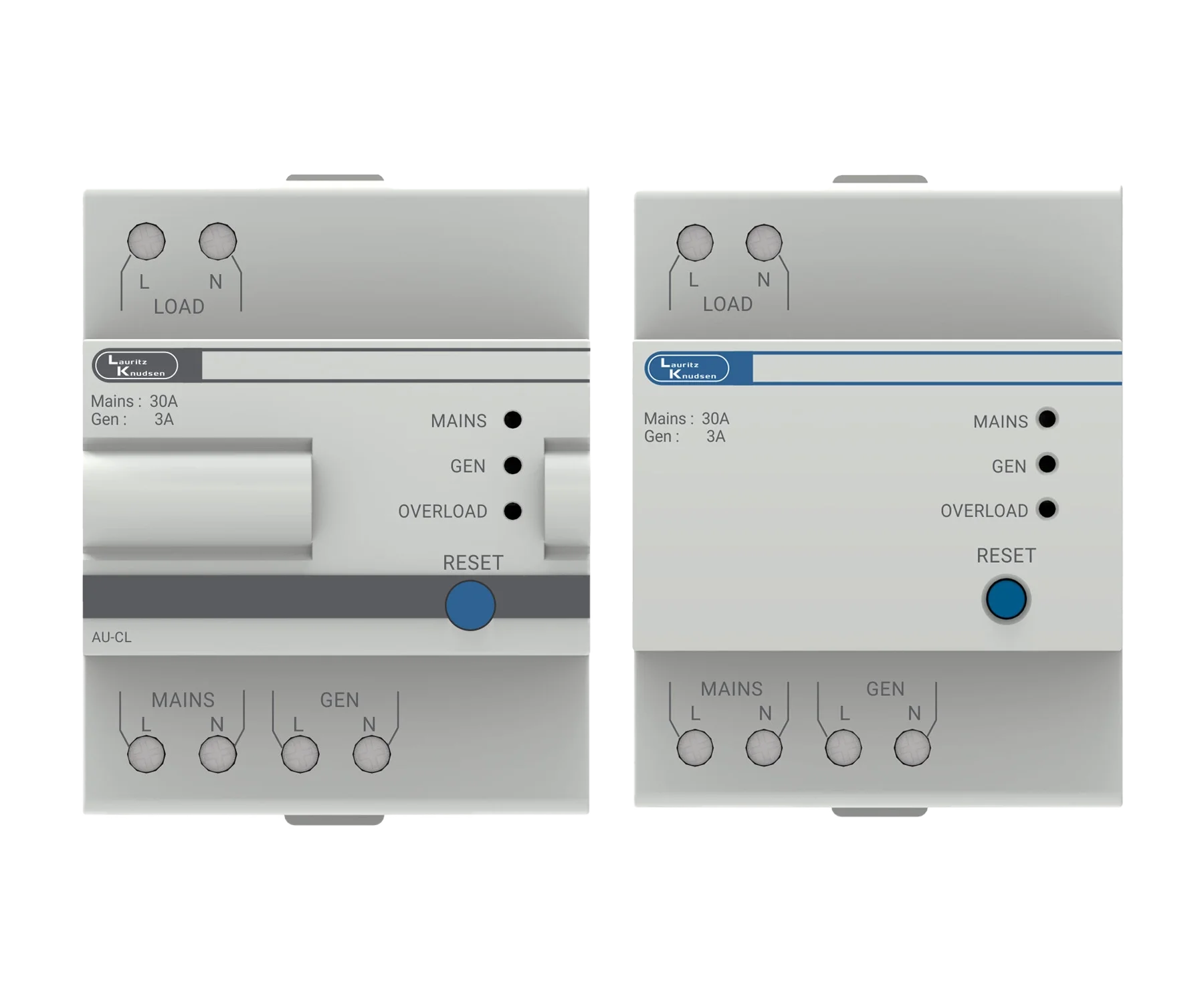
One important use of accl automatic changeover systems is managing the transition between two available power sources. In facilities where electrical continuity is important, a changeover arrangement can help transfer the connected load from one designated source to another according to the system’s operating logic.
This can be useful in facilities that have:
- A primary electrical supply
- A backup power source
- Essential electrical loads
- Automatic transfer requirements
- Critical operational equipment
The changeover arrangement should be selected according to the source characteristics, connected load, switching requirements, and overall electrical system design.
Maintaining Continuity in Commercial Buildings
Commercial buildings depend on electrical power for lighting, ventilation, elevators, communication systems, security equipment, and other services. An interruption can affect different building functions, making reliable power management an important consideration.
An automatic changeover arrangement can be incorporated into suitable electrical systems to facilitate switching between designated sources when the primary source becomes unavailable or when the system requires an alternative supply.
Typical applications include:
- Office buildings
- Commercial complexes
- Institutional facilities
- Large service buildings
- Residential developments with essential loads
The system configuration should reflect the building’s electrical demand and the importance of individual loads.
Industrial Power Distribution
Industrial facilities often contain multiple electrical sections with different voltage and power requirements. Medium-voltage distribution can be required when electrical power needs to be distributed efficiently across larger facilities or high-demand installations.
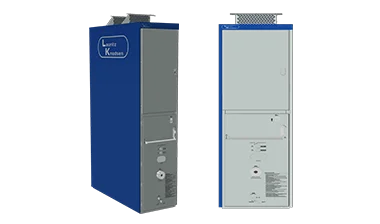
medium voltage switchgear can be used to control, protect, isolate, and distribute electrical power within suitable medium-voltage systems.
Potential applications include:
- Manufacturing facilities
- Processing plants
- Industrial campuses
- Large production units
- Infrastructure-related installations
The equipment configuration depends on voltage levels, current requirements, fault conditions, protection coordination, and the overall distribution architecture.
Managing Large Electrical Networks
Large electrical installations may have several incoming and outgoing circuits. Managing these circuits requires properly organized switching and protection arrangements.
Medium-voltage equipment can provide designated points for controlling electrical sections and isolating equipment when required. This can help electrical teams manage complex distribution networks more systematically.
A properly designed arrangement can support:
- Circuit switching
- Electrical isolation
- Fault management
- Distribution control
- Maintenance activities
Each installation should be engineered according to its specific electrical characteristics and applicable requirements.
Supporting Infrastructure Projects
Infrastructure facilities can have extensive electrical networks that support essential services. Transportation-related facilities, water infrastructure, large public facilities, and other projects may require dependable electrical distribution across multiple sections.
In these applications, medium voltage switchgear can be incorporated into the distribution system where the operating voltage and electrical requirements are appropriate.
Possible uses include:
Power Distribution
Electrical power can be distributed between incoming supplies and different sections of the facility.
Equipment Isolation
Selected electrical sections can be isolated during maintenance activities according to the system design.
Protection Coordination
Switchgear can form part of a coordinated protection arrangement designed to respond to electrical faults.
Supporting Industrial Backup Systems
Industrial facilities may require both primary and backup electrical sources. A changeover system can help manage the connection between designated sources where automatic transfer is part of the electrical design.
The accl automatic changeover arrangement can be considered for applications where the system needs to automatically respond to changes in the availability of the designated electrical sources.
This can be relevant for:
- Manufacturing operations
- Essential process equipment
- Building services
- Emergency electrical systems
- Critical facility loads
The transfer sequence, switching capacity, and source compatibility should be evaluated before installation.
Electrical Isolation During Maintenance
Maintenance is a major consideration in electrical installations. Technicians may need to isolate sections of a distribution network before inspecting equipment, replacing components, or performing scheduled servicing.
Medium-voltage switching equipment can provide controlled points for isolation when incorporated into a properly engineered electrical system.
Maintenance planning can involve:
- Identifying the electrical section requiring work
- Following the approved isolation procedure
- Verifying the required electrical condition
- Performing maintenance using appropriate safety practices
- Restoring the system according to established procedures
Only qualified personnel should perform medium-voltage electrical work.
Supporting Power Distribution in Large Facilities
Large facilities may have several buildings or operational zones connected to a common electrical distribution network. Organizing the distribution system can help operators understand how electrical power moves through the installation.
medium voltage switchgear can support suitable distribution arrangements by providing switching and protection functions within the medium-voltage network.
Such systems may be considered where facilities require:
- Multiple distribution feeders
- High electrical capacity
- Defined electrical sections
- Controlled switching
- Structured maintenance access
The final configuration should be based on the complete electrical network rather than an individual component.
Improving Backup Supply Management
Backup power arrangements are used in different facilities where maintaining electrical availability is important. A properly designed automatic transfer system can help reduce the need for manual switching when the designated primary source is unavailable.
An accl automatic changeover system can be used as part of such an arrangement, depending on its specifications and the requirements of the installation.
Before implementation, technical teams should consider:
- Source voltage and frequency
- Connected load
- Switching capacity
- Transfer requirements
- Protection coordination
- Control arrangements
- Installation environment
These factors help determine the appropriate changeover configuration.
Supporting Data and Essential Service Facilities
Facilities containing essential electrical equipment may require carefully planned power continuity arrangements. Electrical loads can include communication systems, control equipment, security systems, lighting, and other essential services.
An automatic transfer arrangement can help manage designated electrical sources according to the system’s operating sequence. However, the equipment should be selected based on the actual load characteristics and continuity requirements.
A properly designed system may help operators manage source transitions in a more organized manner while maintaining appropriate protection and isolation provisions.
Supporting Electrical Protection
Switching equipment also forms part of broader electrical protection arrangements. Electrical networks can experience abnormal conditions such as excessive current or short circuits. Properly selected protection equipment can help identify and isolate affected sections according to the system design.
Medium-voltage distribution equipment can therefore contribute to an organized protection strategy when coordinated with suitable protective devices.
Important design considerations include:
- Fault levels
- Protection settings
- Equipment ratings
- Coordination requirements
- Earthing arrangements
- System configuration
Protection design should be carried out by qualified electrical professionals.
Applications in Industrial Expansion
As industrial facilities expand, their electrical requirements may increase. Additional machinery, buildings, production areas, and electrical loads can require modifications to the existing distribution system.
A properly planned medium-voltage arrangement can accommodate defined distribution sections and provide appropriate switching points for an expanding facility.
When planning expansion, engineers may evaluate:
- Existing electrical capacity
- Future load requirements
- Available installation space
- Incoming supply arrangements
- Protection requirements
- Maintenance accessibility
Considering future requirements during initial planning can help reduce unnecessary modifications later.
Selecting the Right Electrical Solution
Different applications require different electrical equipment configurations. Before selecting an automatic changeover or medium-voltage solution, technical teams should review the complete operating environment.
Key factors include:
- Voltage rating
- Current rating
- Connected load
- Fault level
- Switching requirements
- Source configuration
- Environmental conditions
- Protection requirements
- Maintenance requirements
- Future expansion
Careful planning ensures that equipment is matched to the actual requirements of the installation.
Conclusion
Lauritz Knudsen Electrical & Automation has a legacy of more than 70 years in India’s electrical industry and a robust manufacturing footprint spanning 2.1 million sq. ft. Its solutions serve residential, agricultural, commercial, infrastructural, and industrial sectors. The use cases discussed demonstrate how automatic source transfer and medium-voltage distribution technologies can support continuity, switching, protection, isolation, and organized power management. Selecting equipment according to voltage, load, fault levels, environmental conditions, and maintenance requirements remains essential. Proper planning can help electrical systems operate reliably while supporting changing requirements across diverse applications and facilities.