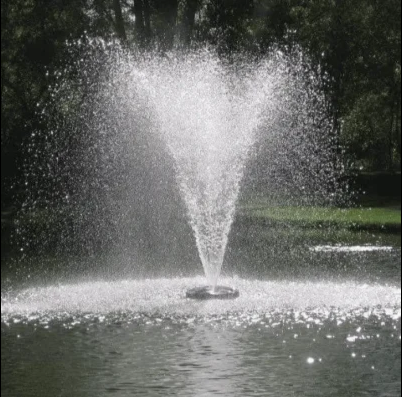
Choosing the right pond fountain involves more than selecting an attractive water display. Pond size, water depth, spray patterns, and operating conditions all influence equipment performance and appearance. A well-chosen floating water fountain can create an attractive focal point while supporting water circulation and complementing your landscape. Before purchasing, consider how the fountain will fit your pond, the amount of splashing it may produce, and the maintenance it requires. Understanding these factors helps you compare available options and select equipment that suits your pond’s dimensions, design preferences, and everyday operating needs.
How Floating Fountains Work
Floating fountains typically consist of a pump, a buoyant platform, and one or more nozzles. The pump draws water from the pond and pushes it through a nozzle, producing a spray that falls back onto the surface. Different nozzle designs create patterns ranging from narrow vertical streams to broad, decorative sprays.
This movement increases contact between water and air, supporting oxygen exchange near the surface. However, a fountain does not automatically provide sufficient oxygen throughout the entire pond. Surface fountains primarily affect upper water layers, while deeper ponds may require bottom-diffused aeration to improve circulation throughout the water column.
Choosing the Right Fountain for Your Pond
Choosing suitable floating water fountain equipment requires evaluating pond dimensions, water depth, spray patterns, and operating conditions. These factors influence the display’s appearance, performance, and efficiency.
Consider Pond Size and Depth
Pond surface area and depth help determine the appropriate pump capacity. An undersized pump may produce weak sprays, while an oversized unit can cause excessive splashing, water loss, and unnecessary energy consumption. Check manufacturer specifications for recommended operating depth and installation requirements.
Evaluate Spray Height and Nozzle Design
Nozzles determine the height, width, and shape of the water display. Tall sprays create dramatic focal points, while wider patterns offer a softer appearance. Wind exposure also matters because gusts can carry water onto nearby walkways and plants.
Position a floating water fountain with surrounding structures, vegetation, and prevailing winds in mind. Choose a spray height that suits the pond’s size and minimizes splash loss. The right combination of pump capacity and nozzle design helps maintain an attractive display while supporting efficient operation and comfortable use of nearby outdoor spaces.
Enhancing Pond Appearance With Lighting
Lighting adds another dimension to pond design by highlighting moving water and creating reflections after sunset. Here are some common lighting options:
- Submersible fixtures: These illuminate the spray from below, creating reflections across the water.
- Shoreline spotlights: Positioned along the bank, they highlight surrounding plants, rocks, and landscape features.
- LED lights: These offer an energy-efficient option for illuminating selected areas of the display.
- Warm and cool white lights: Warmer tones create a relaxed atmosphere, while cooler tones provide a crisp, contemporary appearance.
Electrical Safety and Energy Efficiency
Water and electricity require careful planning. Use equipment rated for wet or submerged conditions and follow manufacturer instructions and electrical codes. Have a qualified electrician assess installations near water.
Ground-fault circuit interrupter (GFCI) protection helps reduce electric shock risks. Inspect cords, connections, and fixtures regularly, replacing damaged components promptly.
Manage energy costs with efficient pumps, LED fixtures, and timers. Set operating schedules based on pond usage and circulation needs. Before switching off aeration equipment, consider the pond’s oxygen requirements to protect aquatic life and maintain water quality.
Maintaining Fountain Equipment
Regular maintenance keeps equipment running efficiently and extends its lifespan. Remove debris from pump intakes, clean clogged nozzles, inspect floats and anchors, and monitor water levels. Check lighting fixtures for damage, moisture, and worn seals. Disconnect power safely before maintenance, and never handle energized underwater equipment. In freezing climates, follow manufacturer instructions for winter shutdown, drainage, removal, and storage.
Conclusion
A well-maintained pond combines appropriate equipment, responsible water management, and carefully planned illumination. Evaluating pond dimensions, spray patterns, electrical safety, and maintenance needs helps property owners create an attractive and functional outdoor feature.
Thoughtful outdoor fountain lighting can complement moving water without creating excessive glare or unnecessary energy consumption. By choosing suitable fixtures and maintaining equipment regularly, property owners can create a welcoming landscape that stays enjoyable year-round.