As we grow older, our bones naturally undergo changes that can affect their strength, density, and ability to withstand everyday stress. Age-related bone loss can increase the risk of fractures, joint problems, and reduced mobility. Consulting an Orthopedic Specialist in Jaipur can help identify bone health concerns early and guide patients toward suitable preventive measures and treatment options. Although ageing is unavoidable, maintaining healthy lifestyle habits can help preserve bone strength and support an active life.
What Causes Bones to Become Weaker With Age?
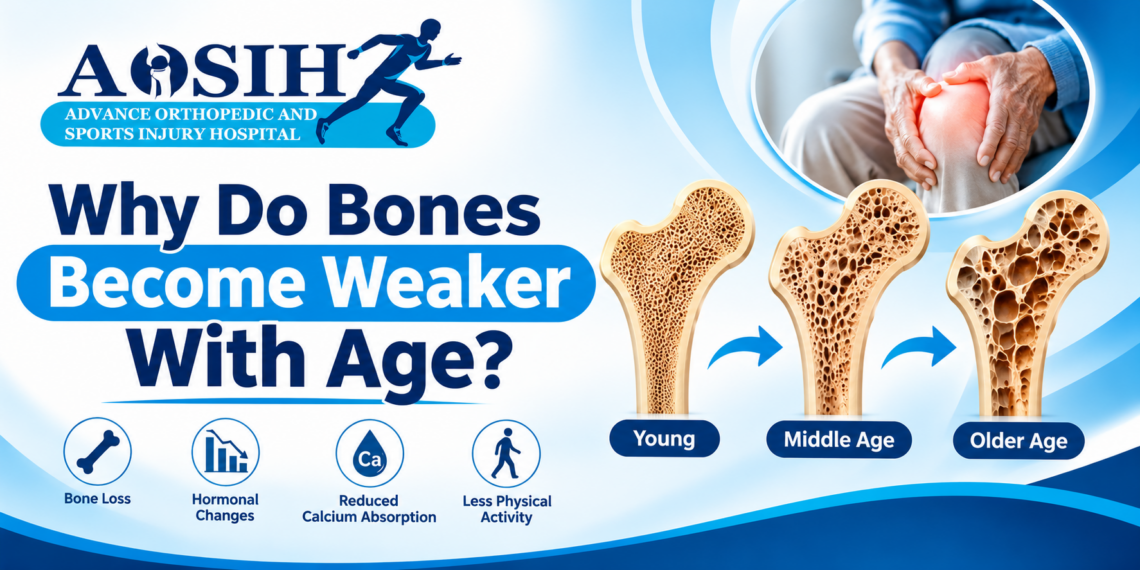
Bones are living tissues that continuously break down and rebuild themselves. During childhood and early adulthood, bone formation generally exceeds bone loss. However, as we age, this balance gradually changes, and bone density may begin to decline.
Several factors contribute to age-related bone weakness:
- Reduced bone density: Bone mineral density may decrease with age, making bones more vulnerable to fractures.
- Hormonal changes: Lower oestrogen levels after menopause can accelerate bone loss in women. Age-related hormonal changes can also affect bone health in men.
- Nutritional deficiencies: Inadequate calcium, vitamin D, and protein intake may affect bone strength.
- Reduced physical activity: Limited movement and a sedentary lifestyle can contribute to weaker bones and muscles.
- Medical conditions and medications: Certain illnesses and long-term use of some medications can increase the risk of osteoporosis.
Understanding these factors helps individuals take practical steps to protect their bones as they grow older.
Common Signs of Weak Bones You Should Not Ignore
Bone loss often develops without noticeable symptoms, particularly during its early stages. Many people discover they have weakened bones only after experiencing a fracture.
However, certain changes may indicate an underlying problem:
- Frequent fractures after minor falls or injuries
- Gradual loss of height
- A stooped or hunched posture
- Persistent back pain associated with spinal changes
- Difficulty maintaining balance or walking confidently
These symptoms do not always indicate weak bones, but they should not be ignored. An orthopaedic doctor may recommend a bone mineral density test, commonly called a DEXA scan, when osteoporosis is suspected.
How Can You Keep Your Bones Strong as You Age?
Although age-related bone loss cannot always be prevented, healthy habits can help reduce the risk and support long-term mobility.
1. Include Calcium and Vitamin D in Your Diet
Calcium supports bone structure, while vitamin D helps the body absorb calcium. Include foods such as milk, yoghurt, paneer, leafy green vegetables, and other calcium-rich options in your diet. Appropriate sunlight exposure and vitamin D supplementation may also help when recommended by a healthcare professional.
2. Stay Physically Active
Weight-bearing activities, such as walking, and suitable resistance exercises can help maintain bone strength and muscle function. Balance exercises may also reduce the risk of falls. Choose activities according to your health, fitness level, and existing joint conditions.
3. Avoid Smoking and Excessive Alcohol
Smoking and excessive alcohol consumption can negatively affect bone health. Avoiding tobacco and limiting alcohol can support healthier bones and overall well-being.
4. Schedule Regular Health Assessments
Older adults and individuals with risk factors for osteoporosis may benefit from medical assessment. An Orthopedic Specialist in Jaipur can evaluate symptoms, review fracture risks, and recommend investigations or treatment when necessary.
How Does Age-Related Bone Weakness Affect the Shoulders?
Ageing can affect not only bone density but also the muscles, tendons, cartilage, and ligaments surrounding the shoulder joint. Some people experience stiffness, reduced movement, or shoulder pain because of arthritis, rotator cuff problems, or previous injuries.
When shoulder symptoms persist, a shoulder surgery expert in Jaipur can assess the underlying cause and determine whether non-surgical treatment or an operation may be appropriate. Depending on the diagnosis, treatment may include physiotherapy, medication, activity modification, or surgery.
It is important to understand that weak bones do not automatically mean shoulder surgery is necessary. The treatment plan depends on the specific injury, the patient’s overall health, and the severity of the condition.
What Is the Connection Between Bone Health and Bankart Repair?
A Bankart lesion is an injury to the labrum, the ring of cartilage that helps stabilise the shoulder socket. It commonly occurs when the shoulder dislocates, particularly following a sports injury or sudden trauma.
Bankart Repair in Jaipur may be considered for patients with recurrent shoulder instability or a significant Bankart lesion when conservative treatment is insufficient. The procedure typically involves reattaching the damaged labrum to the shoulder socket, often using arthroscopic techniques.
Although Bankart repair primarily addresses soft-tissue damage, the condition of the surrounding bone is also important. Some patients with repeated shoulder dislocations develop bone loss along the socket or the upper arm bone. These changes may influence surgical planning and the choice of procedure.
When Should You Consult an Orthopaedic Specialist?
Seek an orthopaedic evaluation if you experience repeated fractures, persistent bone or joint pain, unexplained loss of height, or recurrent shoulder dislocations. Early assessment can help identify the underlying problem and reduce the risk of further complications.
At Advance Orthopedic And Sports Injury Hospital, Dr. Naveen Sharma evaluates orthopaedic conditions and helps patients understand appropriate treatment options based on their individual needs. Patients can discuss bone health, joint symptoms, and sports-related injuries to receive guidance suited to their condition.
Conclusion
Age-related bone weakness is common, but early attention to nutrition, exercise, fall prevention, and medical assessment can help protect mobility and independence. Persistent shoulder symptoms or repeated dislocations also deserve timely evaluation because they may indicate an underlying structural injury.
For guidance on bone health, joint problems, or sports-related shoulder injuries, consult Dr. Naveen Sharma at Advance Orthopedic and Sports Injury Hospital to discuss suitable assessment and treatment options.
Frequently Asked Questions
1. At What Age Do Bones Start Becoming Weaker?
Bone loss varies between individuals. Bone density often begins to decline gradually in adulthood, with more noticeable changes in some women after menopause and in older adults. Lifestyle, genetics, medical conditions, and medications can influence the rate of bone loss.
2. Can Exercise Prevent Bones From Becoming Weak?
Regular weight-bearing and resistance exercises can help maintain bone strength and muscle function. Walking, suitable strength training, and balance exercises may also reduce fall risk. People with osteoporosis or previous fractures should seek medical advice before starting a new exercise programme.
3. Does Weak Bone Density Always Require Medication?
No. Treatment depends on bone density, fracture history, age, and individual risk factors. Some people may benefit from lifestyle changes and monitoring, while others may need prescription medication to reduce fracture risk.
4. Can Shoulder Dislocation Lead to a Bankart Lesion?
Yes. A shoulder dislocation can damage the labrum and cause a Bankart lesion. Repeated dislocations may also contribute to bone loss around the shoulder socket, so proper assessment is important.