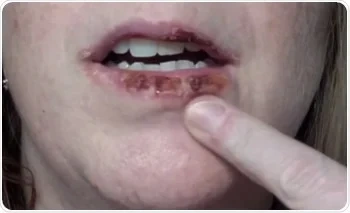
Actinic keratosis on the lips can appear as persistent dryness, rough patches, scaling, or cracks that do not heal. Actinic Keratosis Lips is an important skin health topic because these changes may indicate damage caused by years of ultraviolet (UV) exposure. Although not every lip lesion becomes cancerous, some cases can progress to squamous cell carcinoma, a type of skin cancer.
Recognising the warning signs early helps you seek appropriate treatment and protect your lips from further sun damage. This guide explains the causes, symptoms, risk factors, diagnosis, medical treatments, and practical ways to support lip health. It also clarifies why natural skincare approaches should complement, rather than replace, professional medical care.
What Is Actinic Keratosis on the Lips?
Actinic keratosis is a precancerous skin lesion that develops after repeated exposure to ultraviolet radiation. It most commonly affects sun-exposed areas, including the face, scalp, ears, hands, and lips.
When this condition affects the lower lip, it is often called actinic cheilitis. The lower lip receives considerable sunlight and may develop persistent inflammation, roughness, scaling, or loss of its clearly defined border.
Unlike ordinary chapped lips, these changes may continue despite moisturising and avoiding irritating products. Affected areas can feel dry, gritty, tender, or unusually firm.
Is it dangerous? It can be. Actinic keratosis signals ultraviolet damage, and lesions on the lips deserve medical attention because some can develop into squamous cell carcinoma. A clinician can assess the affected area and recommend appropriate care.
Common Signs and Symptoms to Watch For
Symptoms may develop gradually, making them easy to mistake for ordinary dryness or irritation. However, persistent changes should not be ignored.
Common signs include:
- Roughness and scaling: The lip surface feels sandpaper-like or develops stubborn flakes.
- Persistent dryness: Moisturising provides little improvement, and the affected area repeatedly becomes dry.
- Crusting or cracking: The lips develop recurring cracks, scabs, or areas that bleed.
- Colour changes: Parts of the lip may appear red, pale, whitish, or unevenly coloured.
- Tenderness: The area may feel sore, sensitive, or uncomfortable when eating.
- Border changes: The natural outline between the lip and surrounding skin becomes less distinct.
- Thickened patches: Certain areas feel firmer or thicker than the surrounding tissue.
Actinic Keratosis Lips symptoms can resemble several other lip conditions, including eczema, irritation, and infection. Their appearance alone cannot establish a diagnosis.
Arrange a medical assessment if a patch persists, repeatedly returns, bleeds without a clear cause, or develops a lump. Seek prompt attention for a growing ulcer, increasing pain, or a firm area that does not heal.
Why Does This Condition Develop?
Ultraviolet radiation is the principal cause of actinic keratosis. Repeated exposure damages the DNA of skin cells, gradually increasing the likelihood of abnormal cell growth.
The lower lip is particularly vulnerable because it receives direct sunlight and has less protective pigment than much of the surrounding skin.
Several factors can increase the likelihood of developing lip damage:
- Spending long periods outdoors without lip protection.
- Experiencing repeated sunburn or substantial lifetime UV exposure.
- Having fair skin that burns easily.
- Growing older, as cumulative sun damage increases over time.
- Having a weakened immune system.
- Working outdoors in construction, farming, gardening, or similar occupations.
- Living in a location with intense sunlight or spending considerable time at high altitudes.
Actinic Keratosis Lips may develop even when someone has never experienced a severe sunburn. Daily exposure accumulates over the years, and ordinary activities such as driving, walking, and gardening can contribute.
Protecting the lips consistently is therefore important, regardless of age or the apparent amount of previous sun damage.
Can Actinic Keratosis on the Lips Become Cancerous?
Yes. Actinic keratosis can progress to squamous cell carcinoma, although an individual lesion’s progression cannot be predicted with certainty. The risk varies according to the lesion, the person’s medical history, and other factors.
Actinic cheilitis describes chronic sun damage affecting the lips. Some affected areas may contain precancerous changes, while others may already have developed into cancer. A professional examination helps distinguish these possibilities.
Watch for warning signs such as:
- A sore that does not heal.
- Repeated bleeding or crusting.
- A growing or increasingly thickened patch.
- A hard lump or persistent ulcer.
- New pain, numbness, or tenderness.
- A lesion that changes noticeably over a short period.
These symptoms do not automatically mean cancer is present. Nevertheless, they warrant prompt assessment, particularly when they affect the lower lip.
Do not attempt to diagnose a suspicious lesion by comparing it with photographs online. If your lips show persistent changes, arrange an appointment with a dermatologist or another qualified healthcare professional.
How Is the Condition Diagnosed?
Diagnosis usually begins with a medical history and a careful examination of the lips and surrounding skin. Your clinician may ask about sun exposure, previous skin lesions, medications, immune health, and how long the changes have been present.
A physical examination can reveal rough patches, thickening, scaling, or changes to the lip border. The clinician may also examine other sun-exposed areas for additional lesions.
When Is a Biopsy Necessary?
A biopsy involves removing a small tissue sample for laboratory examination. It may be recommended when a lesion looks suspicious, feels unusually firm, repeatedly bleeds, or fails to respond as expected to treatment.
A biopsy can help determine whether the tissue contains actinic keratosis, another condition, or squamous cell carcinoma. Not every patient requires one, but a suspicious lesion should not be treated indefinitely without an appropriate diagnosis.
Early assessment of Actinic Keratosis Lips helps clinicians select suitable treatment and identify changes that need closer monitoring.
Medical Treatments That Can Help
Treatment depends on the severity and extent of the damage, the appearance of the lesion, and whether cancer is suspected. A dermatologist can explain the benefits and limitations of each option.
Cryotherapy
Cryotherapy uses extreme cold, usually liquid nitrogen, to destroy selected abnormal cells. It is commonly used for individual actinic keratoses.
The treated area may become red, blister, crust, and gradually heal. Temporary discomfort and pigment changes are possible. Because the lips are sensitive, treatment should be performed by an appropriately trained clinician.
Topical Prescription Treatments
Certain prescription creams can treat abnormal cells across affected areas. Depending on the diagnosis, a clinician may consider medicines such as fluorouracil or imiquimod.
These treatments can cause inflammation, redness, soreness, crusting, and temporary disruption of normal activities. They require clear instructions and appropriate follow-up. Never apply prescription skin treatments to the lips without medical guidance.
Photodynamic Therapy
Photodynamic therapy uses a light-sensitive medicine followed by exposure to a specific light source. This process damages targeted abnormal cells.
It may be appropriate for selected cases involving wider areas of sun-damaged tissue. Temporary pain, redness, swelling, and crusting can occur. The clinician will explain preparation, aftercare, and sun avoidance requirements.
Surgical Treatment
More extensive or suspicious lip lesions may require a procedure to remove abnormal tissue. Depending on the diagnosis, options can include a targeted excision or a procedure addressing the damaged outer lip tissue.
Surgery may be recommended when there is concern about cancer or when less invasive approaches are unsuitable. Histological examination of removed tissue can provide important diagnostic information.
For Actinic Keratosis Lips, the most suitable approach is the one that addresses the abnormal tissue while preserving function and appearance as much as possible.
Can Natural Approaches Support Lip Health?
Natural skincare practices can help maintain comfort and reduce avoidable irritation, but they cannot reliably remove precancerous cells or reverse established UV-related DNA damage.
A Natural Treatment for Actinic Keratosis should never be interpreted as a proven replacement for diagnosis or evidence-based medical treatment. If you prefer gentle or plant-derived skincare, discuss product ingredients with your clinician, especially when the lip surface is cracked or inflamed.
Practical supportive measures include:
- Applying a fragrance-free, bland lip moisturiser.
- Drinking sufficient water throughout the day.
- Avoiding lip licking, picking, and aggressive exfoliation.
- Choosing products that do not sting or irritate.
- Protecting the lips from wind, cold, and excessive sunlight.
Avoid applying lemon juice, essential oils, concentrated herbal extracts, or abrasive homemade scrubs to a suspicious lesion. These substances may irritate damaged tissue and delay appropriate assessment.
Comfort measures are useful, but improvement in dryness does not prove that abnormal cells have disappeared. Continue medical follow-up as recommended.
Everyday Habits That Protect Your Lips
Sun protection is one of the most useful ways to reduce additional UV damage. It also helps protect healthy tissue after treatment.
Choose a broad-spectrum lip balm with SPF 30 or higher. Apply it generously before going outdoors and reapply at least every two hours, as well as after eating, drinking, or wiping your lips.
Additional protective habits include:
- Wearing a wide-brimmed hat that shades your face and mouth.
- Seeking shade when sunlight is strongest.
- Using sunscreen on exposed skin around the lips.
- Avoiding tanning beds and intentional tanning.
- Keeping protective lip balm accessible at work and while travelling.
- Checking your lips regularly for new or changing patches.
For people managing Actinic Keratosis Lips, these habits are especially important because treatment does not prevent future lesions from developing.
Sun protection should remain part of your routine throughout the year. Clouds do not eliminate UV exposure, and sunlight can reach your skin during short outdoor activities.
What Role Can Diet and Hydration Play?
A balanced diet supplies nutrients needed for normal tissue maintenance and overall health. Fruits, vegetables, whole grains, protein sources, nuts, and healthy fats can help provide a broad range of essential nutrients.
Hydration also supports normal bodily functions. Drinking enough fluid may help prevent dehydration-related discomfort, although water alone cannot treat actinic keratosis.
Foods containing vitamin C, vitamin E, carotenoids, and other antioxidants contribute to normal nutritional health. However, eating particular foods has not been established as a cure for precancerous lip lesions.
Avoid taking high-dose supplements solely to treat sun damage unless a healthcare professional recommends them. Supplements can interact with medicines and may cause harm when used excessively.
If you are considering Natural Remedies for Actinic Keratosis, prioritise measures supported by established skin-care guidance, including sun protection and gentle moisturising. Do not postpone examination or prescribed treatment in favour of dietary changes.
Are Herbal Products Safe for Damaged Lips?
Plant-based products vary widely in their ingredients, strength, purity, and potential to irritate sensitive tissue. Natural does not automatically mean safe, particularly when the skin barrier is damaged.
Before using a new product, check its ingredient list and avoid known allergens or fragrances that trigger irritation. Stop using it if you experience burning, swelling, itching, or worsening redness.
If you are considering products from Herbal Care Products, review their ingredients carefully and ask a qualified healthcare professional whether a particular product is suitable for your situation. Do not assume that an herbal supplement has been proven to treat actinic keratosis simply because it is marketed for skin health.
Never substitute supplements, oils, or topical herbal preparations for a recommended biopsy or cancer treatment. Evidence-based care remains essential when abnormal cells may be present.
What Happens After Treatment?
Recovery depends on the procedure and the extent of the affected area. Cryotherapy may heal within days to a few weeks, while topical treatments can cause inflammation over several weeks. Surgical procedures may require a longer recovery period.
Your clinician should explain what to expect, how to clean the area, which products to avoid, and when to return for review.
During recovery:
- Follow the aftercare instructions provided.
- Avoid picking crusts or peeling healing tissue.
- Keep the area protected from sunlight.
- Use only recommended ointments or moisturisers.
- Report worsening pain, spreading redness, pus, or fever.
- Attend follow-up appointments.
Persistent or returning lesions need reassessment. Treatment can clear visible abnormalities, but it cannot remove every consequence of cumulative sun exposure.
People with Actinic Keratosis Lips may need ongoing examinations because further lesions can develop in previously damaged tissue. Ask your clinician how often your lips and other sun-exposed areas should be checked.
When Should You See a Dermatologist?
Book an appointment if dryness, scaling, or cracking continues despite gentle care, particularly when the same area repeatedly becomes affected.
Arrange prompt medical assessment for a non-healing ulcer, unexplained bleeding, a growing lump, marked thickening, or a persistent change in lip colour. A rapidly worsening lesion should not wait for a routine skincare review.
People with previous skin cancer, significant sun exposure, or weakened immunity may need closer monitoring. Your healthcare professional can determine the appropriate schedule based on your individual risk.
If a clinician recommends further testing, ask what the procedure involves and how the results will influence treatment. Understanding the next steps can make the process less stressful.
Frequently Asked Questions
Can actinic keratosis on the lips heal by itself?
Some surface changes may fluctuate, but apparent improvement does not establish that abnormal cells have disappeared. Persistent or suspicious lesions require medical assessment rather than waiting for spontaneous healing.
Is actinic cheilitis the same as lip cancer?
No. Actinic cheilitis describes chronic sun-related damage to the lips and may involve precancerous changes. Squamous cell carcinoma is an established cancer diagnosis. Examination and sometimes biopsy are needed to distinguish them.
Can lip balm prevent actinic keratosis?
A broad-spectrum SPF 30 or higher lip balm helps reduce additional UV exposure. It lowers preventable sun damage but cannot guarantee that lesions will never develop.
Can I use home remedies instead of prescription treatment?
No home remedy has been established as a reliable way to eliminate precancerous lip cells. Gentle moisturising may improve comfort, but suspected lesions still need appropriate assessment and treatment.
Can the condition return after treatment?
Yes. Treatment may clear existing lesions, but previously accumulated sun damage remains relevant. Regular sun protection and recommended follow-up help manage future risk.
Final Thoughts
Actinic keratosis on the lips deserves attention because persistent sun damage can sometimes progress to squamous cell carcinoma. Recognising rough patches, scaling, thickening, unexplained bleeding, and non-healing sores can encourage earlier medical assessment.
Professional diagnosis is the safest way to determine whether a lesion needs monitoring, prescription treatment, light-based therapy, freezing, or surgery. Gentle skincare, balanced nutrition, and consistent sun protection can support general lip health, but they cannot replace treatment for precancerous changes.
If you notice a persistent or changing lesion, arrange an appointment with a qualified healthcare professional. Early evaluation, appropriate treatment, and long-term sun protection offer the best practical approach to maintaining healthier lips and reducing the risk of serious complications.