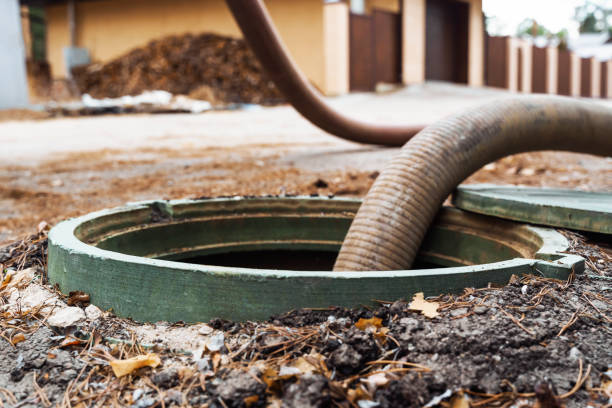
Selling a house is a massive project. You’ve got the staging, the open houses, and the mountain of legal forms. But if you aren’t on city sewer, you have one more hurdle: the septic system. It’s the part of the deal that makes most sellers break into a cold sweat. You might think that saying less is better. That’s a trap. If you try to sweep your septic history under the rug, you’re just inviting a lawsuit. A professional septic tank service can help you sort through your records before you even list.
Why You Can’t Hide the Truth
Look, I get it. You don’t want a bad inspection to kill your deal. But hiding what you know about the plumbing is a recipe for disaster. Most states require you to fill out a formal disclosure form. If you sign that paper and you know the system struggles in the rain, you’re on the hook. It’s better to just put it on the table. Buyers are usually fine with quirks as long as they aren’t surprised by them.
- Check your state’s specific disclosure laws.
- Don’t guess if you don’t know the answer.
- “Unknown” is an okay answer if you’re being sincere.
- Document every repair you’ve ever paid for.
What to Share (And How to Share It)
Buyers are basically looking for reasons to walk away. If they feel like you’re hiding things, they’ll run. When you share a folder full of maintenance receipts, you change the vibe entirely. It shows you were a responsible owner. Be real about the system’s age. If it’s a dinosaur, tell them. If it’s been pumped regularly, brag about that. It turns a scary underground mystery into a simple maintenance fact.
- Keep your service receipts in a clear, labeled folder.
- Write down the date of the last time the tank was cleaned.
- List the name of the company that handles your plumbing.
- Be ready to answer questions about how many people lived there.
Dealing with a System That Isn’t Perfect
Maybe your system isn’t brand new. Maybe it’s a bit finicky. That happens. Don’t stress. You don’t have to replace the whole drain field just to sell the house. Talk to your agent about offering a credit. It’s a standard move. The buyer gets a discount on the price, and they can handle the upgrades later. It’s a win-win that keeps the deal moving forward.
- Get a few quotes for potential repairs early on.
- Talk to your realtor about offering a repair credit.
- Don’t panic if the buyer asks for a secondary inspection.
- Work with a quality septic tank service to get honest quotes.
Don’t Sweat the Inspection
Disclosure is just you telling your side of the story. The inspection? That’s for the buyer to get the hard data. If they find something you didn’t know about, take a breath. It’s not the end of the world. Most of the time, the parties just renegotiate. You’ve got options. You can fix it, drop the price, or walk away if the demands get crazy. It’s just business, not a personal attack on your home.
- Expect the buyer to hire their own inspector.
- Ensure the tank lids are easy to find for the pro.
- Don’t try to shadow the inspector during their work.
- Review the final report with your agent to weigh your options.
Use the Pros to Your Advantage
You’ve got resources. Before you stick the “For Sale” sign in the yard, call an expert. Getting a pre-listing checkup is the smartest move you can make. It takes the guesswork out of the whole process. Before we wrap this up, reach out to someone like Cora Environmental to get a pulse on your system’s health. Having a pro vouch for your maintenance habits makes you look like a dream seller. It’s just good strategy.
- Schedule an inspection before you list the home.
- Ask the technician for a brief summary of the tank health.
- Make sure your records are current and easy to read.
- Keep your service tech’s number handy for the buyer.
Final Thoughts
Don’t let your septic system ruin your sleep. It’s just another piece of the house, like the HVAC or the roof. Keep your records, stay honest, and don’t be afraid to leverage a professional septic tank service when you need extra muscle. You’ll be closing on this house in no time.
Frequently Asked Questions
What happens if I forget to disclose a septic issue?
If you fail to disclose a known issue, the buyer can potentially sue you for fraud or breach of contract after the sale. Always err on the side of caution. If you are unsure about a specific problem, consult your real estate attorney or agent immediately.
Are sellers required to pump the septic tank before selling?
Usually, there is no state law requiring a pump-out before closing, but it is standard practice. Many buyers will request an inspection and pumping as part of their purchase contract. Doing this voluntarily shows good faith and often makes the closing process much faster.
Do I have to fix a failing septic system before closing?
Not necessarily, but you must disclose the failure. You can either fix it, lower the sale price, or offer the buyer a credit to cover the repairs. The decision depends on your negotiations and what the buyer’s mortgage lender is willing to accept for closing.
Where can I find records for my septic system?
Start by checking your local county health department or environmental services office. They hold the permits and original design plans for most septic systems. You can also contact the company that has performed your regular maintenance, as they likely have a file on your home.
Should I provide an inspection report from a previous owner?
Yes, you should provide any documentation you have, even if it is old. It shows the history of the system. However, don’t rely solely on old reports. Having a current inspection is always better because it reflects the actual state of the system today.