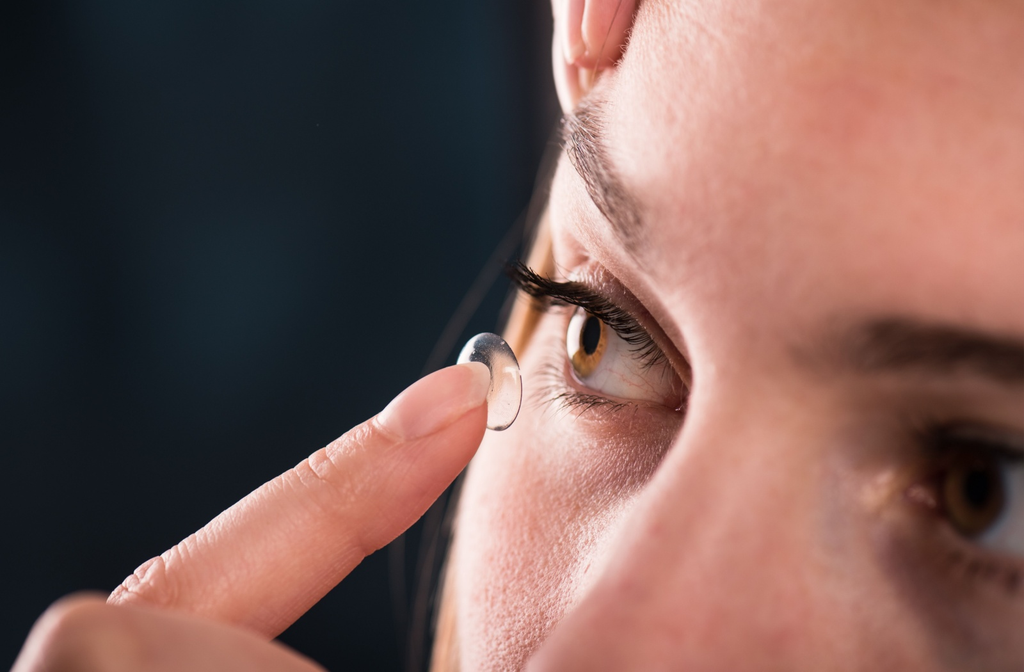
Contact lenses provide a convenient alternative to glasses, but proper eye hygiene remains essential for maintaining comfort and protecting eye health. An antibacterial eye spray may help support eyelid hygiene by removing impurities, reducing microbial buildup, and keeping the skin around the eyes clean. However, not every eye spray is suitable for contact lens wearers, and the ingredients, formulation, and application method can affect safety. Understanding how antibacterial eye sprays work, when they are appropriate, and which precautions matter can help reduce the risk of irritation and infection. Selecting a product specifically designed for the delicate eye area is an important step toward maintaining healthy eyelids and comfortable contact lens wear.
What Is an Antibacterial Eye Spray?
An antibacterial eye spray is a hygiene product designed to help cleanse the eyelids and surrounding skin while targeting certain microorganisms. Depending on the formulation, the spray may contain ingredients intended to support eyelid cleanliness, remove debris, or manage microbial buildup around the lash line. Some products are formulated for use with the eyes closed, while others may have different application instructions. An antibacterial eye spray should not automatically be considered an eye drop, contact lens solution, or treatment for an eye infection. The intended use, active ingredients, and manufacturer’s directions determine whether a particular formulation is appropriate for eyelid hygiene.
Are Antibacterial Eye Sprays Safe for Contact Lens Wearers?
An antibacterial eye spray can be suitable for contact lens wearers when the product is specifically formulated for the eyelid area and used according to its instructions. However, safety depends on the ingredients, intended application, and individual sensitivity. Some sprays are designed for closed-eye application, while others may require a different method. Products containing fragrances, alcohol, or ingredients unsuitable for ocular exposure may cause irritation. Contact lens wearers should check the product label carefully and consult an eye care professional when uncertain. A spray intended for facial skin or general surface disinfection should never be substituted for a product designed for eyelid hygiene.
How Does an Antibacterial Eye Spray Support Eye Hygiene?
Healthy eyelids help protect the surface of the eyes by supporting the tear film and providing a barrier against environmental contaminants. Daily exposure to dust, makeup, oils, and other impurities can contribute to eyelid discomfort and irritation. An appropriately formulated antibacterial eye spray may help remove debris and support a cleaner eyelid environment. Certain formulations contain hypochlorous acid, an ingredient used in some eyelid hygiene products because of its antimicrobial properties. However, not every antibacterial spray contains the same ingredients, and results depend on the formulation. Eyelid cleansing can complement good contact lens hygiene but cannot replace proper lens cleaning, disinfection, or professional treatment when an infection is present.
Potential Benefits for Contact Lens Wearers
Maintaining clean eyelids can be particularly important for people who wear contact lenses regularly. An appropriate eyelid hygiene spray may offer several practical benefits when used as directed.
- Supports eyelid cleanliness: Helps remove everyday impurities, including dust and residue around the eyelashes.
- Helps manage microbial buildup: Certain formulations are designed to reduce specific microorganisms on the eyelid area.
- Complements an eye hygiene routine: Provides an additional option for cleaning the eyelids without relying exclusively on wipes or other cleansing products.
- May improve eyelid comfort: Gentle cleansing can help manage surface debris that contributes to irritation in some individuals.
- Offers convenient application: Spray formats may be easy to incorporate into a regular hygiene routine.
These benefits depend on the product formulation and the condition being addressed. An antibacterial eye spray cannot guarantee protection against contact lens-related infections or resolve every cause of redness, dryness, or discomfort.
Important Ingredients to Check Before Use
The ingredient list is an important consideration when selecting an antibacterial eye spray for contact lens wearers. Products with similar descriptions may contain very different substances, making it essential to check the formulation rather than relying on the product name alone.
Hypochlorous acid: Some eyelid hygiene products use hypochlorous acid to support cleansing and help manage microorganisms around the eyelids. The product must still be specifically formulated for its intended use.
Preservatives: Certain preservatives can irritate sensitive skin or eyes. A suitable formulation should follow appropriate safety and usage guidance.
Fragrances and alcohol: These ingredients may cause irritation, particularly around the delicate eyelid area. Products containing them should not be assumed suitable for ocular hygiene.
Other antimicrobial ingredients: Different active ingredients have different safety profiles and intended applications. A product designed for external skin or general disinfection may be unsuitable for the eyelids.
Reading the complete ingredient list and following the manufacturer’s instructions can help reduce avoidable exposure to irritating substances.
Can an Antibacterial Eye Spray Be Used While Wearing Contact Lenses?
The safest approach depends on the specific product instructions. Unless the label explicitly confirms compatibility with contact lenses, the spray should not be applied directly to the eyes or contact lenses. For products intended for use on closed eyelids, removing contact lenses before application is a prudent precaution, especially when compatibility information is unclear. Hands should be washed thoroughly before handling lenses, and the spray should be allowed to dry or settle as directed before lenses are reinserted. Contact lens solution should never be replaced with an antibacterial eye spray. Any product-related burning, persistent redness, or discomfort warrants discontinuing use and seeking appropriate advice.
How to Use an Antibacterial Eye Spray Safely
Proper application helps reduce the risk of irritation and accidental contamination. Contact lens wearers should follow the product label and maintain a consistent hygiene routine.
- Wash the hands thoroughly: Clean hands help prevent the transfer of dirt and microorganisms to the eyes and contact lenses.
- Check the product instructions: Confirm that the spray is intended for eyelid hygiene and review the recommended application method.
- Remove contact lenses if appropriate: Keep lenses out during application unless the manufacturer explicitly states that use while wearing lenses is safe.
- Apply as directed: Use the recommended distance and amount. Avoid spraying directly into the eyes unless the product is specifically intended and labelled for that purpose.
- Avoid touching the nozzle: Contact between the applicator and the eyelids, fingers, or other surfaces can contaminate the bottle.
- Follow contact lens care instructions: Clean, disinfect, and store reusable lenses with the appropriate lens care system.
- Monitor for irritation: Stop using the product if discomfort, swelling, or redness develops.
Following these steps can help support eyelid hygiene while reducing unnecessary risks during contact lens use.
Common Mistakes Contact Lens Wearers Should Avoid
Even a product intended for eye-area hygiene may cause problems when used incorrectly. Spraying a product directly onto contact lenses, sharing an applicator, or ignoring the manufacturer’s instructions can increase the risk of irritation or contamination. Another common mistake is assuming that antibacterial properties make a product suitable for treating an established eye infection. An eye spray should not replace prescribed medication or an eye examination. Wearing contact lenses for longer than recommended, sleeping in lenses without specific approval, and exposing lenses to tap water are also important risks to avoid. Good eyelid hygiene works best alongside proper lens care and regular professional eye examinations.
When Should Contact Lens Wearers Avoid an Eye Spray?
An antibacterial eye spray should be avoided when the product is not intended for the eyelid area, the ingredients are unsuitable for ocular hygiene, or the directions do not provide clear guidance on safe use. Additional caution is appropriate for individuals with known ingredient sensitivities, damaged skin around the eyes, or recent eye surgery. Professional advice is particularly important when persistent irritation or an existing eye condition is present.
Contact lenses should be removed immediately if eye pain, unusual redness, light sensitivity, blurred vision, or discharge develops. These symptoms can indicate a potentially serious contact lens-related complication. Prompt assessment by an eye care professional is essential, especially when pain or vision changes occur. A hygiene spray should never delay medical evaluation.
Antibacterial Eye Spray vs. Contact Lens Solution
Although both products may play a role in an eye care routine, antibacterial eye sprays and contact lens solutions serve different purposes.
| Feature | Antibacterial eye spray | Contact lens solution |
| Primary purpose | Supports eyelid hygiene when formulated for that use | Cleans, rinses, disinfects, or stores lenses, depending on the product |
| Application | Usually applied to the eyelid area according to the label | Used on lenses as directed |
| Lens disinfection | Not a substitute for lens disinfection | Designed for specific lens care functions |
| Main safety consideration | Confirm suitability for eyelid use and avoid unintended eye exposure | Follow the lens care instructions and replacement schedule |
Using the correct product for each purpose is essential. An antibacterial eye spray may complement an eyelid hygiene routine, but contact lenses still require the appropriate care system and handling practices.
Frequently Asked Questions
Can an antibacterial eye spray prevent eye infections?
An antibacterial eye spray may help manage microorganisms on the eyelids when appropriately formulated, but it cannot guarantee infection prevention. Proper contact lens hygiene, handwashing, and adherence to wearing schedules remain essential.
Is hypochlorous acid spray safe for sensitive eyes?
Some hypochlorous acid products are specifically formulated for eyelid hygiene and may be suitable for sensitive eye areas. However, suitability depends on the complete formulation and individual tolerance. Product-specific instructions and professional guidance should be followed.
Can an antibacterial eye spray replace eyelid wipes?
Certain sprays and eyelid wipes serve similar cleansing purposes, but their formulations and application methods differ. The most appropriate option depends on individual needs, product instructions, and professional recommendations.
How often should an antibacterial eye spray be used?
Frequency varies by formulation and intended use. The manufacturer’s instructions should determine the application schedule. More frequent use does not necessarily provide greater benefits and may increase irritation.
Supporting Contact Lens Hygiene With the bye co.
The bye co. provides an opportunity to explore eye-area hygiene products and understand how appropriate cleansing can fit into a daily eye care routine. For contact lens wearers, product selection should focus on clear ingredient information, intended use, application instructions, and suitability for the delicate eyelid area. An antibacterial eye spray should complement established contact lens care practices rather than replace proper lens disinfection or professional eye care. By prioritising informed product choices and consistent hygiene habits, contact lens wearers can make more confident decisions about eyelid care. The bye co. can serve as a useful starting point for learning about suitable eye hygiene options, while product-specific guidance and advice from qualified eye care professionals remain essential.