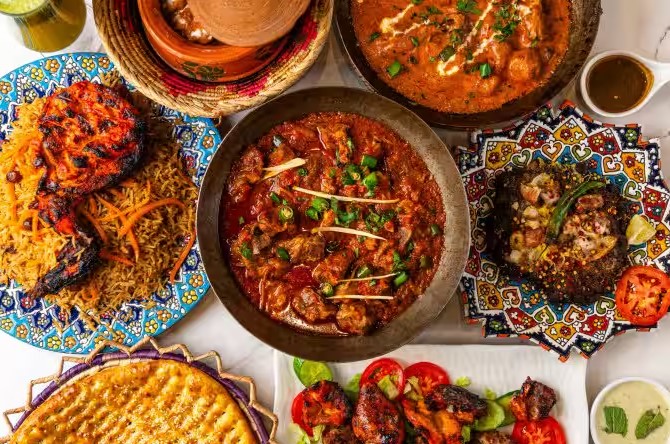
Windsor’s Pakistani Food Scene Is Better Than Most People Realize
Windsor gets overshadowed by Toronto when people talk about South Asian food in Ontario. That comparison misses what the city actually has going for it: a tight-knit Pakistani community that has been building a genuine food culture here for decades, and a collection of family restaurants that cook for people who grew up eating this food rather than for a curious tourist crowd.
That distinction matters more than most dining decisions account for. A restaurant cooking for its own community has accountability that a restaurant cooking for novelty does not. The spice blend has to be right. The bread has to come out of the tandoor at the correct temperature. The karahi has to taste the way a karahi is supposed to taste, not an approximation designed to meet a general audience halfway. Windsor’s best Pakistani family restaurants clear that bar consistently. Here is what makes them worth your time.
What Pakistani Food in Windsor Actually Offers
Pakistani cuisine is one of the most misunderstood in North American dining culture because it gets lumped together with Indian food in a way that flattens the significant differences between them. Pakistani cooking trends toward richer, more meat-forward preparations, heavier use of whole spices cooked low and slow, and a tandoor culture that produces bread and kebabs at a standard that standalone Indian restaurants rarely match.
The dishes that define a strong Pakistani restaurant menu in Windsor tell you immediately whether the kitchen is cooking with genuine technique or working from shortcuts:
- Nihari should be a deep, gelatinous slow-cooked beef broth with enough body to coat a spoon; thin nihari is a kitchen that did not give it enough time
- Biryani rice should carry individual grains with distinct color from the saffron and spice layers, not a uniform orange mush cooked together from the start
- Karahi chicken or lamb should show visible char from high-heat cooking with tomato and whole spices rather than a smooth curry sauce poured over protein
- Seekh kebab should stay moist inside with a genuine smoke note from the grill, not a dense dry cylinder that sat under a heat lamp
- Naan from a proper tandoor has irregular char marks and a slight chew that oven-baked flatbread cannot replicate, regardless of how long it bakes
Why the Family Restaurant Format Suits Pakistani Cuisine Specifically
The Food Was Designed for Sharing
Pakistani dining culture is built around communal eating in a way that changes how the meal works when the format supports it. A family restaurant windsor serving Pakistani food typically portions dishes for the table rather than the individual, which means the experience of eating there requires a different approach than a typical North American restaurant visit.
Order more than you think you need and share everything. A table with nihari, a karahi, biryani, a plate of seekh kebab, and fresh naan hitting the center of the table at once is how this food is supposed to be eaten. Individual plating misses the point of a cuisine that developed in a culture where feeding people generously is a form of genuine hospitality rather than a business transaction.
The Hospitality Is Part of What You Are Coming For
Pakistani family restaurants in Windsor operate with a warmth that standalone dining concepts rarely generate. The staff at a family-run restaurant is often the family itself: the owner taking orders, a family member running the kitchen, someone who has been eating this food their whole life and has opinions about what you should try.
That personal investment in the meal shows up in small ways that matter. A suggestion about which dish is particularly good today. A warning that the karahi runs spicier than usual this week. An extra piece of naan that arrived without being requested because the table looked like it needed one. Those moments do not happen at restaurants optimizing for table turnover. They happen at family restaurants where the relationship with the guest is taken as seriously as the food itself.
What to Know Before Your First Visit
Pakistani family restaurants in Windsor tend to be busier on weekends, particularly on Friday and Saturday evenings when extended families come out for dinner together. Arriving early or going on a weekday gives you a more relaxed experience with more attention from the kitchen on each dish.
Most of these restaurants are fully halal, which matters both for Muslim diners and for anyone who cares about ingredient sourcing and preparation standards. Halal certification in a Pakistani restaurant context means the meat is fresh, properly handled, and cooked without shortcuts qualities that show up in the flavor of everything on the table.
Conclusion
A Pakistani restaurant in Windsor is worth visiting because it offers something that most family restaurant options in the city do not: a cuisine with genuine depth, a dining format built around generosity and sharing, and the kind of hospitality that comes from people who take feeding guests seriously as a cultural value rather than a service interaction. If you have not spent time in Windsor’s Pakistani dining scene, you are missing one of the most consistently rewarding meal experiences the city has to offer.
FAQs
What dishes should I order at a Pakistani restaurant in Windsor if I have never tried the cuisine before?
Start with nihari or karahi for the main dish, biryani as a rice course, and fresh naan from the tandoor. Those three dishes together give you a complete picture of what Pakistani cooking does well and will tell you immediately whether this is a cuisine you want to explore further.
Are Pakistani family restaurants in Windsor suitable for non-spicy eaters?
Most dishes have a significant spice level, but the kitchen at a family restaurant will almost always adjust heat on request. Asking for a milder version of karahi or biryani is completely normal, and a good kitchen accommodates it without compromising the dish. The aromatics and depth of flavor survive the heat reduction even when the chili level comes down significantly.
What makes a family restaurant in Windsor different from a standard Pakistani restaurant chain?
The sourcing, the cooking pace, and the hospitality are all different. A family restaurant buys fresh ingredients for daily preparation rather than working from standardized bulk supply. The slow-cooked dishes get the time they need rather than being approximated for speed. And the people serving you have a personal stake in whether you enjoyed the meal that a chain employee working a shift does not.