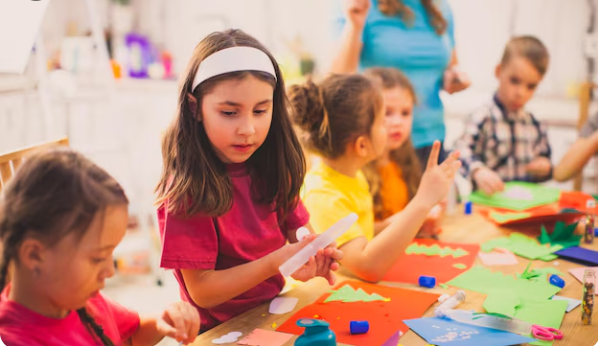
Every child starts somewhere. One day, they pick up a pencil and draw a few lines on paper. The next day, they might be drawing a house, a dog, or something that only makes sense to them. And honestly, that is part of the fun. Art gives children room to explore without worrying too much about getting everything right. Along with regular lessons, a children’s summer camp can give young artists more time to experiment, learn new techniques, and discover what they enjoy creating. With the right guidance, those first rough sketches can slowly turn into something more. Not just better drawings, but greater confidence too.
Why the First Sketch Matters More Than Perfect Results
Parents sometimes look at a child’s drawing and wonder whether they have artistic talent. But judging a young artist by how realistic their pictures look misses the point. Early art is about exploration. Children are learning to control their hands, notice shapes, understand colors, and turn ideas in their heads into something they can see.
A circle that looks a little uneven is still a circle. A purple tree might not be realistic, but it shows imagination. Kids need room to make these choices without hearing that everything should look a certain way. When adults focus only on the final result, children can start worrying about mistakes before they even begin. That takes away some of the joy.
Good art education starts by making children comfortable with trying. The technical skills come with practice.
How Art Classes for Kids Build Creative Confidence
Confidence doesn’t usually appear overnight. It grows through small experiences, repeated practice, and the feeling that progress is possible. Art classes for kids provide a place where children can work on a project, receive useful feedback, and see how their efforts develop over time.
An instructor might show a child how to draw basic shapes before combining them into a larger picture. Another lesson might introduce shading or color mixing. These steps give children something practical to work with, rather than leaving them to figure everything out alone.
There will still be frustrating moments. A painting may not turn out as expected, or a drawing might need another attempt. That’s normal. Learning to work through those moments is part of becoming a more confident artist. Children begin to understand that making mistakes doesn’t mean they are bad at something. It means they’re learning.
Learning Techniques Without Losing Imagination
Structure matters in art education, but too much structure can make creativity feel like homework. Children need both instruction and freedom. They should learn how to use a brush, handle different materials, draw from observation, and understand basic artistic principles. At the same time, they should be able to make their own choices.
For example, an instructor may teach the basics of drawing animals, then let each child decide what kind of animal to create and how to present it. One child might draw a realistic cat. Another might create a strange, colorful creature with enormous wings. Both approaches have value.
When children learn techniques while keeping their own ideas, they develop skills without feeling that every artwork must look identical. That balance helps them discover their individual style over time.
Art as a Way to Express Thoughts and Feelings
Children don’t always have the words to explain what they’re thinking. Sometimes, drawing or painting gives them another way to communicate. They might use bright colors to show excitement, invent characters to tell stories, or create pictures inspired by things that happened during the day.
Art classes offer opportunities to explore these ideas in a supportive setting. Children can talk about their work if they want to, explain their choices, or simply let the artwork speak for itself. Not every picture needs a deep meaning, of course. Sometimes a child just likes making a big mess with paint. That’s fine too.
The important part is giving them room to express themselves without constantly correcting their ideas. Feeling heard and respected can make children more willing to share their work and try unfamiliar things.
Why Consistent Practice Makes a Difference
One class can introduce a child to something new, but regular practice is where improvement often becomes noticeable. As children return to drawing and painting, they start recognizing shapes more easily, handling tools with better control, and understanding how different techniques work.
They also begin comparing their current work with things they created earlier. A child who once struggled to draw a face may eventually learn how to position the eyes, nose, and mouth. That progress feels good because they can see it for themselves.
Art instructors can help by setting achievable challenges and offering feedback that is specific, not discouraging. Saying, “Try making the background lighter so the main subject stands out,” gives a child something useful to do. Simply saying that a picture is wrong doesn’t.
Progress isn’t always steady, and some days children won’t feel particularly creative. That’s part of learning anything.
Making Summer Break More Creative
Summer offers children a chance to explore interests that may get less attention during a busy school year. A well-planned art camp can introduce different materials, themed projects, and longer creative activities that allow children to develop an idea from beginning to end.
Instead of rushing through a drawing, they might spend time planning a composition, choosing colors, and adding details. They can also see how other children approach the same project, which often gives them fresh ideas. Working alongside other young artists creates opportunities to share materials, discuss artwork, and learn by observing.
For families exploring art classes in San Jose, it makes sense to look for programs that offer hands-on instruction, age-appropriate activities, and enough freedom for children to experiment. A good program should encourage learning without turning every project into a competition. Children don’t all develop at the same pace, and they shouldn’t have to.
Creating an Environment Where Children Feel Safe to Try
The atmosphere of an art class can make a real difference. If children feel they will be laughed at for making mistakes, they may avoid taking creative risks. But when instructors welcome questions and treat different ideas with respect, children are more likely to participate.
Parents can support this at home, too. Ask children about the choices they made in a drawing instead of immediately judging whether it looks good. Displaying their work, providing basic art supplies, and allowing time for creative play can help reinforce what they learn in class.
There is no need to turn every afternoon into an art lesson. Sometimes, leaving paper and pencils on the table is enough. Let them get on with it.
Conclusion: Helping Young Artists Find Their Own Way
Going from a first sketch to becoming a confident artist is a gradual process. Children need opportunities to experiment, learn practical techniques, make mistakes, and discover what interests them. Art classes provide guidance and consistency, while creative camps offer extra time to explore new ideas and work on projects at their own pace.
The real goal isn’t to make every child a professional artist. It’s to help them become comfortable expressing themselves, solving problems, and trusting their own ideas. Some children will develop a serious interest in painting or drawing. Others will simply enjoy creating things now and then. Both outcomes are worthwhile.
Give children the tools, a little guidance, and enough freedom to find their own style. Their first sketch doesn’t need to be impressive. It just needs to be a beginning.