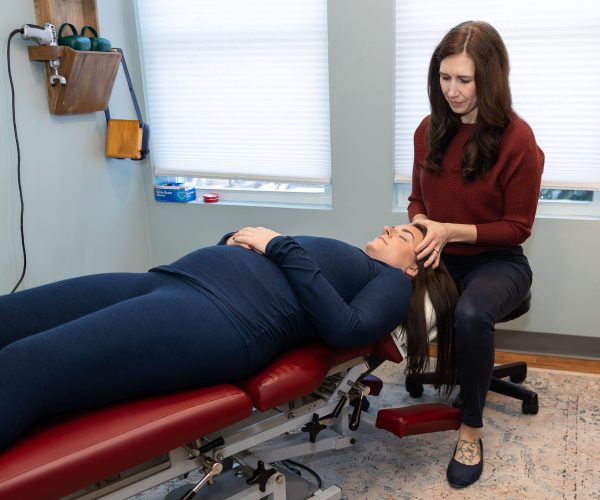
Pregnancy brings a lot of changes to the body, and not all of them feel great. As the baby grows, a woman’s posture shifts, her joints handle more pressure, and everyday activities can start feeling harder than they used to. Even sitting at a desk or getting comfortable in bed can become a challenge. Along with back and hip discomfort, some women also deal with neck tension and headaches. While chiropractic treatment for headaches and migraines may be one part of a broader conversation about physical comfort, prenatal chiropractic care focuses on the specific changes that happen during pregnancy. The goal is simple: help expectant mothers manage discomfort with an approach suited to their changing bodies. It isn’t about promising a perfect pregnancy. It’s about making daily life a little easier where possible.
Why Pregnancy Can Lead to More Physical Discomfort
The body does a remarkable job of adapting during pregnancy, but those changes can put extra strain on muscles and joints. As the abdomen grows, the body’s center of gravity shifts forward. This can change the way a woman stands, walks, and sits. The lower back may develop a deeper curve, while the hips and surrounding muscles work harder to support the added weight.
Hormonal changes also affect the ligaments that support the joints. These changes are part of the body’s preparation for childbirth, but they can contribute to a feeling of looseness or instability. Some women notice discomfort around the pelvis, while others experience tight shoulders, sore muscles, or aching hips.
And then there’s sleep. Finding a comfortable position gets harder as pregnancy progresses. Poor sleep can leave someone feeling stiff and worn out the next morning. These problems don’t always disappear with a little rest, which is why some expectant mothers consider additional options for managing discomfort.
How Prenatal Chiropractic Care May Help With Back Pain
Back discomfort is a common complaint during pregnancy. The extra load on the spine, changes in posture, and increased demands on the supporting muscles can all play a role. For some women, the pain stays mild. For others, it starts interfering with walking, working, or even getting dressed.
Prenatal chiropractic care may help address certain musculoskeletal problems through gentle, pregnancy-appropriate techniques. Depending on the person’s needs, a chiropractor may work on joint movement, muscle tension, and areas of restricted mobility. The aim is to support comfortable movement rather than force the body into a particular position.
Treatment should never be one-size-fits-all. A pregnant woman needs an approach that accounts for her stage of pregnancy, medical history, symptoms, and overall health. Techniques may be modified to avoid unnecessary pressure on the abdomen, and positioning should be comfortable throughout the appointment.
It is also worth being realistic. Chiropractic care may help some women manage back discomfort, but results vary. It should not be presented as a guaranteed solution, and persistent or severe pain deserves proper medical assessment.
Supporting Hip and Pelvic Comfort
As pregnancy progresses, discomfort may spread beyond the lower back. Some women experience pain around the hips, buttocks, or pelvic region, especially when climbing stairs, standing on one leg, or turning over in bed. Even getting out of a car can feel awkward.
Prenatal chiropractic care may include an assessment of how the pelvis, hips, and surrounding muscles move together. If muscle tension or restricted movement is contributing to discomfort, an appropriate treatment plan may help improve mobility and make certain activities feel more manageable.
Small changes outside the treatment room can matter too. A chiropractor may discuss movement habits, gentle exercises, supportive sleeping positions, or ways to reduce strain during daily activities. These suggestions should fit the woman’s comfort level and medical circumstances.
Pelvic pain can have several causes, though, and not every problem responds to chiropractic treatment. Pain that becomes severe, appears suddenly, or comes with other concerning pregnancy symptoms needs prompt medical attention. Getting the cause checked is more important than simply trying to push through it.
What About Neck Tension and Headaches?
Headaches during pregnancy can have different causes, including hormonal changes, dehydration, poor sleep, stress, and muscle tension. Neck and shoulder tightness may contribute to some headaches, particularly after long periods of sitting or looking down at a screen.
A chiropractor can assess whether musculoskeletal tension might be part of the problem and discuss suitable ways to manage it. Depending on the assessment, gentle soft-tissue techniques, posture guidance, and movement advice may help with tension-related discomfort. Any hands-on treatment should be adapted for pregnancy.
However, headaches should never automatically be blamed on tight muscles. A new, severe, persistent, or unusual headache during pregnancy needs medical evaluation, particularly if it comes with blurred vision, sudden swelling, upper abdominal pain, or elevated blood pressure. These can be warning signs of conditions that require urgent care.
Women considering chiropractic treatment for headaches and migraines should explain their symptoms clearly and tell their healthcare provider about any changes. Chiropractic care is not a substitute for investigating the cause of a headache or treating a pregnancy-related medical condition.
Finding the Right Chiropractor During Pregnancy
Not every chiropractic appointment is the same, and pregnancy calls for additional care. Look for a chiropractor with specific training or experience in prenatal care. They should ask about the pregnancy, review relevant health information, explain the techniques being considered, and make room for questions. If they rush through these steps, that’s a reason to pause.
It also helps to speak with an obstetrician or midwife before starting treatment, especially if the pregnancy is considered high-risk or there are existing medical concerns. The care team can help determine whether chiropractic treatment is appropriate and whether another type of support would be more suitable.
Many people start by searching online for a back pain chiropractor near me in Beverly, hoping to find help close to home. Location matters, especially when travel becomes uncomfortable, but experience with prenatal patients should matter just as much. Ask about pregnancy-specific positioning, treatment methods, and how the chiropractor works alongside other healthcare professionals. A good provider will be clear about what they can help with and what needs medical attention.
Practical Ways to Stay Comfortable Between Appointments
Chiropractic care, when appropriate, works best as part of a wider approach to comfort. Daily habits can make a difference, even if the changes seem small. Taking short movement breaks during the day may help reduce stiffness from sitting too long. Supportive footwear can make standing and walking more comfortable, while pillows placed between the knees or under the abdomen may help with sleep.
Gentle activity, such as walking or pregnancy-approved exercises, can also support mobility. The right amount depends on the individual, so women should follow guidance from their healthcare provider, particularly if they have been advised to limit activity.
Pay attention to patterns, too. If a certain movement repeatedly triggers pain, it may be worth adjusting how the task is done rather than continuing through the discomfort. Rest matters, but complete inactivity isn’t always the answer either. A balanced approach is usually more practical.
Conclusion
Pregnancy changes the body in ways that can make ordinary tasks surprisingly uncomfortable. Prenatal chiropractic care may offer some women support with back pain, hip tension, restricted movement, and certain muscle-related aches. The key is choosing a qualified provider who understands pregnancy and uses techniques suited to the individual’s needs.
Chiropractic care isn’t a replacement for prenatal medical care, and it won’t resolve every cause of pain. Still, when used appropriately alongside medical guidance, practical movement habits, and adequate rest, it may become one part of a sensible comfort plan. Every pregnancy is different. The right approach starts with listening to the body, asking questions, and getting the right care when something doesn’t feel normal.