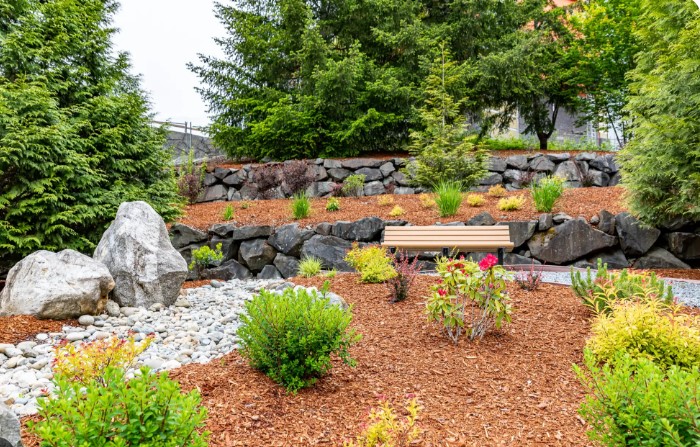
A successful landscaping project starts with understanding how an outdoor space should look, feel, and function once the work is complete. For some homeowners, the priority is creating a welcoming entrance with attractive planting beds. Others want to replace an uneven backyard with a more organized layout that includes comfortable seating, garden areas, and durable walkways. Transformed Landscaping Co. helps homeowners explore residential landscaping improvements that bring these ideas together. Careful planning ensures that the finished landscape complements the home instead of appearing like a collection of unrelated features.
When planning Landscape Installation in Austin, homeowners should consider the property’s existing conditions before selecting plants, materials, or outdoor structures. The region’s hot summers, changing rainfall patterns, and varied residential landscapes can influence installation decisions. Soil preparation, drainage, sunlight exposure, and the intended use of each area all affect the outcome. A well-organized project accounts for these practical details early, helping homeowners develop an outdoor environment that is attractive, functional, and suited to local conditions.
Evaluating the Site Before Making Changes
Every landscaping project begins with the land itself. Existing slopes, soil quality, mature trees, drainage patterns, and available sunlight can determine which improvements are appropriate. A flat section of the yard may be suitable for a patio or lawn, while an area with a noticeable slope might require a different planting strategy or carefully planned retaining features. Evaluating these characteristics before construction begins helps homeowners understand the opportunities and limitations of their property.
For homeowners considering Landscape Installation in Austin, a site assessment can also reveal problems that should be addressed before new features are added. Water that collects near the house, compacted soil, and poorly positioned planting beds may affect the long-term performance of the landscape. Identifying these concerns early allows the installation plan to account for necessary preparation. Transformed Landscaping Co. offers landscaping design and installation services that can help homeowners consider their property’s conditions when planning outdoor improvements.
Preparing Soil and Establishing Healthy Planting Areas
Healthy planting areas depend on appropriate soil preparation. Soil may need attention if it is heavily compacted, drains poorly, or lacks the conditions required by the selected plants. Preparing garden beds can involve removing unwanted vegetation, loosening suitable areas, improving soil where necessary, and establishing clear planting boundaries. The right preparation depends on the property’s existing soil and the requirements of the plants being installed. Applying the same treatment everywhere is not always the best approach.
Once the ground is prepared, plant placement becomes the next important consideration. Trees, shrubs, and smaller plants need enough room to grow without interfering with pathways, structures, or neighboring vegetation. Garden beds should provide a balanced arrangement of heights, textures, and colors while remaining accessible for maintenance. A carefully prepared foundation supports successful Landscape Installation in Austin by helping new plants establish themselves and allowing the overall design to develop as intended.
Choosing Plants That Suit the Local Environment
Austin’s weather makes plant selection an important part of residential landscaping. Summer heat and periods of limited rainfall can create challenging conditions for plants that require consistently cool or moist environments. Texas-native and adapted varieties may provide suitable options for many properties, depending on sunlight, soil, drainage, and available space. A combination of trees, flowering perennials, shrubs, and ornamental grasses can introduce variety while helping the landscape feel connected to the regional environment.
Plant selection should also consider the homeowner’s preferred appearance and maintenance routine. Some gardens benefit from seasonal flowers and varied planting arrangements, while others work well with a simpler combination of evergreen shrubs and drought-tolerant plants. Trees should be positioned with mature size and shade requirements in mind, and smaller plants should be selected according to their growing conditions. By matching plants to the site rather than choosing them solely for appearance, homeowners can build a landscape that is more practical to maintain over time.
Installing Walkways and Defining Movement Through the Yard
Walkways help connect different parts of a property and make outdoor spaces easier to use. A clearly defined path can lead from the driveway to the front entrance, connect a patio to the garden, or provide convenient access around the side of the house. Materials such as pavers, natural stone, and other suitable outdoor surfaces can complement the home’s design while providing a stable walking area. The width, direction, and placement of each path should reflect how people are expected to move through the property.
Good walkway installation also requires attention to ground preparation and drainage. Uneven surfaces can create inconvenience, while inadequate preparation may contribute to movement or settling over time. Pathways should connect naturally with entrances and outdoor activity areas rather than interrupting the garden layout. When Landscape Installation in Austin includes well-planned circulation routes, homeowners can enjoy a more organized property where each outdoor area is easy to reach and practical to use.
Incorporating Patios and Hardscape Features
Hardscaping introduces structure and usable surfaces into a residential landscape. Patios can provide space for outdoor dining, retaining walls may help manage changes in elevation, and decorative borders can distinguish garden beds from lawn areas. These features can make the yard more versatile while creating visual contrast with plants and natural textures. Material choices should complement the house and suit the intended use of each feature, taking durability, comfort, and maintenance into account.
The installation process should coordinate hardscape features with the surrounding landscape. Ground preparation, appropriate grading, and careful material placement are important for long-term stability and effective water management. Plants should be positioned to soften hard edges without obstructing pathways or damaging nearby structures as they grow. Transformed Landscaping Co. provides landscaping and hardscaping services that can help homeowners bring these elements together into a cohesive outdoor design.
Managing Drainage and Water Efficiency
Water management should be considered before new planting beds, patios, or lawns are installed. Poor drainage can leave water standing in garden areas or direct runoff toward places where it may cause damage. Assessing the property’s slope and existing drainage patterns helps determine whether grading changes or other suitable measures are needed. These considerations are especially important where paved surfaces may influence how rainwater moves across the yard.
Water efficiency also depends on choosing plants and irrigation methods appropriate for the landscape. Grouping plants with similar watering needs, applying mulch where suitable, and using an appropriately designed irrigation system can help manage water consumption. Homeowners may also consider limiting lawn areas to spaces where grass serves a practical purpose. Including these measures in Landscape Installation in Austin can support healthier planting areas and make the completed landscape more suitable for local weather conditions.
Coordinating the Project From Planning to Completion
A clear installation plan helps homeowners understand how individual improvements will fit together. Before work begins, it is useful to establish priorities, review material choices, consider maintenance requirements, and determine which areas need preparation first. Some projects may begin with drainage or grading, followed by hardscaping and planting. Organizing work in a sensible sequence helps reduce unnecessary disruption and ensures that later stages build on the earlier preparation.
Transformed Landscaping Co. offers residential landscape design and installation services in Austin, helping homeowners explore options for improving their outdoor spaces. Project requirements vary according to property size, existing conditions, selected materials, and the complexity of the design. Discussing these factors in advance helps establish realistic expectations for scope and budget. A coordinated approach allows homeowners to make informed decisions and move from an initial idea toward a finished landscape that reflects their goals.
Conclusion
Residential landscaping is most successful when site preparation, plant selection, hardscaping, drainage, and long-term maintenance are considered as parts of one coordinated project. Each stage influences how the outdoor space will look and perform after installation. In Austin, accounting for local weather conditions and water requirements can help homeowners make practical choices that support the health and usability of their landscapes.
For homeowners planning Landscape Installation in Austin, Transformed Landscaping Co. offers services to help turn residential outdoor improvement ideas into practical designs. Whether the project involves establishing new planting beds, creating walkways, adding a patio, or reorganizing an existing yard, careful planning can improve the final result. By considering the property’s conditions, the household’s needs, and future maintenance, homeowners can create an outdoor environment that complements their home and remains useful for years to come.