Commercial roof storm damage can create significant challenges for business owners, property managers, and facility operators. Severe weather, including hail, strong winds, heavy rainfall, and flying debris, can compromise roofing materials and expose commercial buildings to water intrusion. Even damage that appears minor from the ground may affect the roof’s waterproofing system, insulation, drainage, or structural components. If these problems remain unaddressed, they can lead to interior deterioration, equipment damage, business interruptions, and unexpected repair expenses. Understanding how storms affect commercial roofing systems allows property owners to respond quickly, protect valuable assets, and make informed decisions about professional inspections and repairs.
For commercial properties, timely action is particularly important because roofing problems can affect employees, customers, tenants, inventory, and daily operations. A small opening around a rooftop unit or a damaged section of membrane may allow water to spread beneath the roof surface before visible signs appear inside the building. Legacy Roofing GC provides roofing services for property owners seeking practical solutions for maintaining and repairing their roofing systems across Texas and Oklahoma. By understanding common storm-related problems, recognizing warning signs, and following a structured repair process, commercial property owners can minimize avoidable damage and develop a more effective long-term roof maintenance strategy.
Common Causes of Commercial Roof Storm Damage
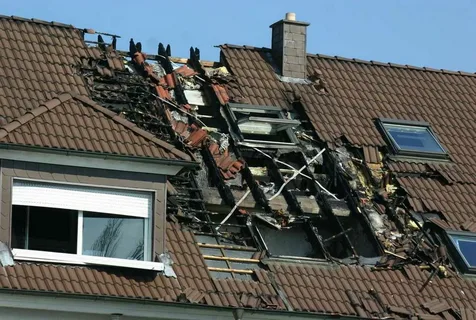
Commercial roofs face several types of weather-related stress, and the resulting damage depends on the roofing material, building design, roof age, and severity of the storm. Strong winds can lift membrane edges, loosen flashing, displace metal panels, and remove shingles from sloped sections. Hail can dent metal surfaces, fracture brittle materials, damage protective coatings, and compromise certain roofing assemblies. Heavy rainfall can expose existing weaknesses in seams, penetrations, flashing, and drainage systems, particularly when water accumulates around clogged drains or poorly sloped areas. Flying branches and other debris may puncture roofing membranes or damage rooftop equipment and protective coverings. Repeated temperature changes can also aggravate existing weaknesses, especially where previous repairs have deteriorated. Low-slope commercial roofs require particular attention because water may remain on the surface when drainage is obstructed. Identifying the type and extent of storm damage is essential before selecting a repair method, since different roofing systems require different materials, techniques, and installation procedures.
Warning Signs Property Managers Should Never Ignore
After a major storm, property managers should look for signs that indicate possible damage without attempting to climb onto the roof themselves. Water stains on ceilings, damp insulation, dripping around lighting fixtures, musty odors, and unexplained moisture near exterior walls may indicate a roof leak. Outside the building, displaced metal panels, visible membrane separation, damaged flashing, fallen branches, and debris collecting around drains can signal a problem requiring professional assessment. However, the absence of visible leaks does not necessarily mean the roof remains undamaged. Moisture can travel beneath roofing materials and become apparent days or weeks after the original storm. Commercial facilities with rooftop heating, ventilation, and air-conditioning equipment should also be checked for damaged protective covers, loose components, and compromised seals around equipment supports. Property managers can safely document visible conditions from ground level and photograph interior damage for their records. Any suspected electrical hazards or unstable building components should be treated as urgent safety concerns. Prompt professional evaluation helps determine whether the problem requires emergency stabilization, localized repairs, or a more extensive roofing assessment.
Why Professional Commercial Roof Inspections Matter
A professional roof inspection helps establish the difference between cosmetic damage and defects that threaten the performance of the entire roofing system. Experienced roofing technicians can examine seams, flashing, membrane surfaces, fasteners, drainage assemblies, roof penetrations, and other vulnerable areas. Depending on the roof design and the circumstances, they may also investigate moisture within the insulation or inspect areas beneath damaged coverings. This process is important because simply sealing a visible opening may not resolve the underlying cause of a leak. For example, water entering around rooftop equipment may result from deteriorated flashing, loose attachment points, or damage extending beyond the immediately visible area. A thorough assessment should document the affected locations, explain the likely causes, and recommend appropriate corrective work. Property owners should ask for clear findings, photographs where available, and a written description of the proposed repairs. Legacy Roofing GC is an option for commercial property owners seeking roofing assistance across Texas and Oklahoma. Arranging an inspection after suspected storm damage can help facility managers prioritize urgent concerns and make decisions based on the roof’s actual condition.
Commercial Roof Storm Damage Repair Options
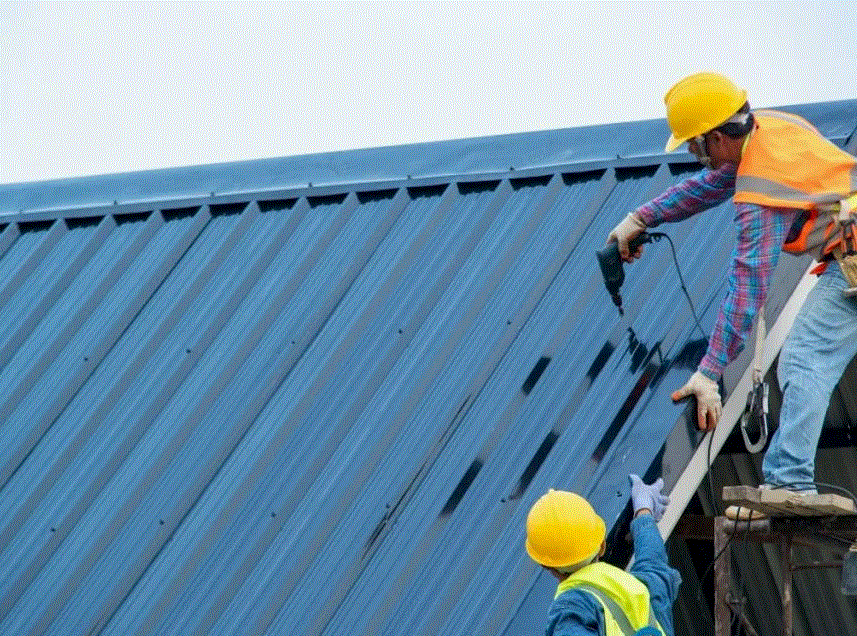
The correct repair approach depends on the roofing material, the extent of damage, the condition of surrounding components, and the likelihood of additional deterioration. Localized membrane punctures may require compatible repair patches, while separated seams may need specialized restoration to reestablish a watertight connection. Damaged flashing around vents, skylights, drains, and rooftop equipment may require replacement or reconstruction rather than surface-level sealing. Metal roofing systems may need secured panels, replacement fasteners, repaired joints, or new flashing where wind has compromised the assembly. When insulation becomes saturated, the affected area should be evaluated to determine whether drying is feasible or replacement is necessary. Extensive damage, widespread deterioration, or recurring leaks may indicate that a larger section of the roof needs restoration or replacement. Temporary protective measures may be appropriate when permanent repairs cannot be completed immediately, but they should be installed safely and followed by a permanent solution. Property owners should also confirm that repair materials are compatible with the existing roofing system and that all work follows applicable building requirements and manufacturer specifications. A carefully selected repair strategy addresses the source of the problem rather than simply concealing visible symptoms.
Protecting Business Operations During Emergency Roof Repairs
Storm-related roofing problems can disrupt commercial operations when water reaches offices, warehouses, retail areas, manufacturing equipment, or stored inventory. A coordinated response helps reduce the risk of additional losses while repairs are arranged. Property managers should first prioritize occupant safety, restrict access to affected areas, and follow established emergency procedures if structural instability or electrical hazards are suspected. Where it is safe to do so, valuable equipment and inventory can be moved away from active leaks, and suitable containers or protective coverings may help limit interior water exposure. Facilities should document affected areas, damaged contents, and relevant dates while avoiding unsafe contact with electrical systems or contaminated water. Roofing contractors should be informed about operational restrictions, access requirements, sensitive equipment, and any areas that must remain available to employees or customers. For larger facilities, repairs may need to be scheduled in stages to reduce interference with essential operations. Communication among property managers, maintenance personnel, contractors, and insurers can improve coordination and clarify responsibilities. Although every storm presents different challenges, an organized response helps commercial property owners manage immediate concerns while planning the necessary permanent repairs.
Preventing Future Storm Damage Through Roof Maintenance
Although severe weather cannot be prevented, regular roof maintenance can help identify vulnerabilities before they develop into costly failures. Scheduled inspections should evaluate drainage systems, roof seams, flashing, penetrations, surface deterioration, and evidence of previous repairs. Drains and gutters should be kept clear of debris so that rainfall can move away from the building as intended. Rooftop equipment supports and protective components should also be checked for deterioration or loose attachments where accessible to qualified personnel. Property managers should maintain records of inspections, repairs, material specifications, warranties, and recurring leak locations. These records make it easier to identify patterns and determine whether a recurring problem requires a more comprehensive solution. Older roofs may benefit from condition assessments that help owners compare continued maintenance with restoration or replacement. Before storm season, businesses can review emergency contacts, establish procedures for reporting leaks, and confirm how access to the building will be managed if urgent repairs become necessary. Preventive maintenance does not eliminate storm risk, but it can reduce the likelihood that existing weaknesses will worsen during severe weather and help extend the useful service life of a properly maintained roofing system.
Conclusion
Commercial roof storm damage requires a timely, organized response that prioritizes safety, accurate assessment, and appropriate repairs. Wind, hail, heavy rainfall, and flying debris can compromise roofing membranes, metal panels, flashing, drainage systems, and rooftop equipment, sometimes without creating immediate visible leaks. Business owners and property managers should document suspected damage, arrange a professional inspection, protect affected interior areas when safe, and obtain a clear repair plan before approving major work. Regular maintenance, effective drainage, and organized inspection records can further improve roof performance and help businesses prepare for future severe weather. Legacy Roofing GC offers a roofing service option for commercial property owners across Texas and Oklahoma who need assistance evaluating their roofing concerns. By addressing storm damage promptly and choosing repair solutions suited to the building’s roofing system, businesses can better protect their facilities, reduce avoidable disruption, and maintain a more dependable commercial property.