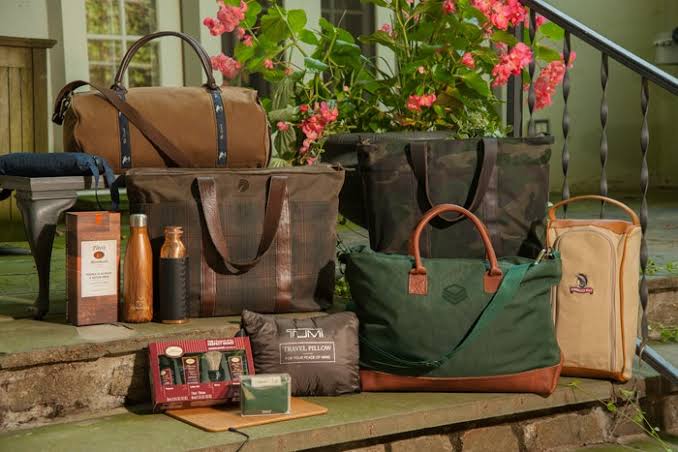
A wall street banker bag is a structured carry bag that became familiar in finance and professional services offices and it is now a common choice for corporate gifting. Buyers usually notice the color and the shape first because those details show clearly in photos and samples. A bag that looks polished on a desk can still disappoint once it has been packed and carried through airports and commutes and long workdays. Handles loosen and zippers jam and seams open when a bag was built with weak materials or rushed assembly. This guide explains how to judge a banker bag on construction and function so the bag you choose stays useful long after the first impression has passed.
Why Appearance Is Only the Starting Point
Appearance creates the first impression and that impression does matter. A clean shape and a neatly applied logo make a bag look professional in a lobby or at a client meeting. The trouble is that appearance says very little about how a bag will behave after months of use. Two bags can look nearly identical in a product photo while one is made with heavy fabric and reinforced seams and the other is made with thin fabric and a single row of stitching. The difference only becomes visible when the bag is loaded and carried and set down hard on the floor.
This matters for the sender as much as for the recipient. A bag with a company logo travels through public spaces and carries that name with it. If the bag wears out early the recipient will remember the wear and not the gesture. If the bag keeps its shape and works well the recipient will keep using it and the logo will stay in view. For that reason it helps to treat the purchase as a product review and not only as a design decision. A simple way to do this is to look at six areas in order. These are materials and construction and hardware and size and comfort and branding. Each section below covers one of them in detail.
Start With the Materials
Materials set the limits for how long a bag will last and how it will look as it ages. Before comparing styles it is worth asking what the outer fabric and the lining and the trim are made of. Suppliers should be able to answer these questions directly and their answers say a lot about how carefully the bag was designed.
Outer Fabric
Heavy cotton canvas is a common choice for banker bags because it holds its structure and accepts decoration well. Fabric weight is usually listed in ounces per square yard and a higher number generally means a thicker and more durable cloth. A heavier canvas resists creasing and abrasion and keeps the bag upright when it is only partly filled. A lighter canvas folds more easily and suits a smaller or softer bag. Neither choice is wrong because the right fabric depends on how the bag will be used. Synthetic fabrics such as nylon and polyester resist water and stains well and some buyers prefer them for frequent travel. If water resistance matters to your recipients ask whether the fabric has a protective finish and how that finish holds up after cleaning.
Lining and Interior
The interior of a bag is easy to overlook during a quick review. A thin or loosely woven lining can tear at the seams or pick up ink marks and scuffs from pens and electronics. A better lining is closely woven and firmly attached along every edge so that it does not bunch or pull away when items are removed. Interior pockets deserve the same attention as the exterior. They should be sewn with the same thread and the same care as the outside of the bag. When the inside of a bag is finished cleanly it usually means the maker paid attention to the whole product and not only to the parts that show.
Trim and Handles
Leather or faux leather trim appears on many banker bags and it adds structure as well as style. What matters is how the trim is attached. Trim that is only glued can peel at the edges over time and it often fails first in warm or humid conditions. Trim that is stitched and reinforced stays in place through years of handling. Handles deserve a similar check. A handle should feel solid when you lift a loaded bag and it should not twist or stretch or dig into the hand. Rounded handles with some padding or wrapping spread pressure more evenly than thin flat handles and they make a heavy bag easier to carry through a long day.
Check the Construction
Good materials can be undone by weak assembly. Construction is where a carefully made bag separates itself from an average one and it is the area where a short inspection can reveal the most. You do not need technical training to check it. A few minutes with a sample in your hands is enough to spot most problems.
Stitching
Look closely at the stitches along every visible seam. They should be even and tight with no loose threads and no gaps where the fabric shows through. Stitch density matters because more stitches per inch usually produce a stronger seam. The thread itself matters too. Heavy thread holds better under load than thin thread and it resists fraying where the bag rubs against clothing or a car seat. Double stitching on seams that carry weight is a good sign. If a seam runs crooked or the stitch length changes along the line it often points to rushed work and that is a reason to ask more questions before ordering in volume.
Stress Points
Stress points are the places where force concentrates when a bag is loaded and carried. They include the spots where handles meet the body of the bag and the corners of the base and the ends of zipper tracks. Reinforcement in these areas is a clear sign of quality. Look for box stitching or bar tacks or extra layers of fabric behind the stitching. Pull gently on each handle with the bag partly filled and see whether the attachment point moves or the fabric puckers. A bag that shows strain under light testing is unlikely to hold up when a recipient fills it with a laptop and a charger and a water bottle and a change of clothes.
Base and Structure
A banker bag is known for holding its shape and the base is a large part of why. A good base is firm enough for the bag to stand upright when it is packed. Some bags use a stiffened panel or a molded insert while others rely on the weight of the fabric alone. Place the bag on a flat surface and fill it halfway with books or similar items. A well built bag stays upright and keeps its lines while a weaker one slumps to one side or folds at the middle. This simple test shows how the bag will look on an office floor and how easy it will be to pack and unpack.
Review the Hardware
Hardware includes zippers and buckles and rings and any metal fittings on the bag. It is one of the most common failure points because it moves and takes force every time the bag is used. A bag can have excellent fabric and stitching and still become frustrating if the zipper catches or a ring bends. For that reason hardware should be reviewed with the same care as the fabric.
Zippers
A zipper should glide along its full length without catching or splitting. Test it several times and try it with the bag both empty and full because a zipper under tension behaves differently from one at rest. Larger zipper teeth tend to handle heavy loads better and they are easier to repair if something goes wrong. Check that the pull tab is sturdy and easy to grip and that the tape holding the teeth is firmly sewn to the bag. A zipper that works well on the first day may still fail after hundreds of cycles so it is reasonable to ask the supplier which zipper brand is used and whether it has been tested for repeated use.
Buckles, Rings, and Straps
Metal fittings should feel solid and have a smooth and even finish. Plating that looks thin or uneven may scratch or flake within a few months of regular handling. Rings that hold a strap should be welded and not simply bent into a loop because a bent ring can open under load. Detachable straps should lock firmly and release only when intended. Adjustable straps should hold their position under weight and should not slip. Hardware color affects the look of the bag as well. Brass and nickel and gunmetal finishes each give a different tone so it helps to match the finish to your brand palette while confirming that the plating resists scratches.
Match the Size and Layout to the Recipient
A well built bag still fails as a gift if it is the wrong size or layout for the person who receives it. It helps to think about who will carry the bag and what they actually need to carry. A gift that fits the recipient’s routine will be used often while a gift that does not fit tends to end up in a closet.
Capacity
Banker bags range from slim briefcase styles to larger duffels. A client who travels often may want space for a change of clothes and a pair of shoes. An employee who commutes by train may only need room for a laptop and a notebook and a lunch. Check the listed dimensions and compare them with the devices and documents your recipients use every day. Many professionals carry a 15 inch laptop so confirm that it fits with some room to spare and that the opening is wide enough to slide it in without a struggle. It is also worth checking whether the bag can travel as a personal item or cabin bag since many recipients will fly with it.
Pockets, Organization, and Weight
Interior and exterior pockets keep small items easy to find and they reduce the time spent searching at a security line or in a meeting. A pocket for a phone and one for pens and a larger pocket for documents cover most needs. Too many compartments can make a bag feel heavy and complicated so fewer pockets with clear purposes often work better. Ask for the empty weight of the bag as well. A bag that is heavy before anything goes in will feel heavier by the end of a long day. The sturdy feel of heavy canvas is valuable but it should be balanced against the comfort of carrying the bag for an hour or more.
Consider Comfort and Daily Use
Comfort is easy to test and it is often ignored until a recipient complains. Lift the bag with a normal load and walk a few steps. Notice how the handles sit in the hand and whether the bag swings against the leg or stays close to the body. Rounded and padded handles spread pressure better than thin flat ones. If the bag has a shoulder strap check the width and the padding because a wider strap is easier on the shoulder and less likely to slip. These small details decide whether a bag feels pleasant or tiring after a few weeks of use.
Think also about how the bag will be set down and opened. A flat base lets a bag sit on a floor or a car seat without tipping. A wide opening makes it easier to reach items without unpacking everything. Care matters too. Ask whether the bag can be spot cleaned and which products are safe to use. A bag that cleans easily will keep looking professional through a year of commuting and travel and that supports the image of the company whose name appears on it.
Look at Branding and Customization Options
Most corporate buyers add a logo and how that logo is applied changes both the look and the lifespan of the decoration. A logo that cracks or fades after a few months undermines the purpose of the gift. A logo that stays crisp and well placed keeps the brand visible for years. The points below help you compare options before you approve a design.
Decoration Methods
Embroidery is a common choice for canvas because the stitched logo is durable and has a textured finish that reads as high quality. Screen printing suits larger flat designs and works well when a logo has fine color detail. Heat transfer and patches are other options and each behaves differently on different fabrics. Decoration can look quite different on canvas than it does on nylon so ask for a sample of the exact method on the exact fabric. Reviewing a physical sample is far more reliable than judging from a digital mockup.
Logo Placement and Color Matching
Placement affects visibility and tone. A logo on the front panel is easy to see while a smaller mark near a corner looks more refined and suits recipients who use the bag in client meetings. Check that the logo does not sit across a seam or a zipper where it can distort. Brand colors can also shift between fabrics and threads so request thread or ink matching to your brand palette and approve a proof before production begins. These steps take a little time at the start and they prevent costly corrections later.
Maker Labels
A label inside the bag identifies the maker and it is a simple way to confirm the source of the design. Scarborough & Tweed introduced the original banker bag and places its label inside each bag. Checking for the maker label helps recipients and buyers recognize an authentic product and it gives the bag a clear point of origin.
Compare Related Bag Styles
Some gifting programs include more than one bag style and looking at related options helps you choose the right format for each audience. A banker bag is not the best fit for every recipient or every occasion. Comparing it with other styles makes the final choice easier to explain to the people who approve the budget.
Tweed tote bags suit recipients who want a lighter bag for daily errands and office use. A tote is open and simple and easy to carry and it can hold a laptop and a lunch with little effort. It usually has less structure than a banker bag so the fabric and the handle attachment matter even more. Apply the same checks for stitching and handle strength and test how the bag behaves when it is full. A tote also works well in an event welcome package because it can carry other items from the same gift set and it is easy to hand out at a registration desk.
Companies that host golf days or client outings sometimes look for a tweed golf bag as a recognition gift. A golf bag has its own needs including strap padding and pocket access and weather resistance. Ask which styles are available for the program you are planning and what the options are for decoration. If a golf bag does not fit the program then a duffel or a banker bag can serve as a practical alternative for outing gifts since both carry clothing and accessories well.
Think About the Gifting Program as a Whole
A bag is often one part of a larger gifting program. Consider who receives it and when and what else they receive with it. Many teams plan their gift list early so they can compare options and avoid rushed decisions near the holidays. If you are building a shortlist of the best corporate gifts 2026 can offer for your audience then bags belong on it because they are used often and seen in public.
Pairing Bags With Other Items
A bag can hold other items such as a notebook and a water bottle and a pen. Grouping these items into one package is called kitting and it lets you present a complete gift instead of a single product. A bag works well as the container for a kit because it stays useful after the other items have been unpacked. Planning the contents around the recipient group keeps the kit focused and prevents the package from feeling crowded or random.
Planning for Quantity and Timing
Order quantity affects both price and lead time so it is worth asking about minimum quantities and production time and delivery dates early in the process. Ask whether the supplier can store inventory and ship to individual recipients. This matters if gifts go to people in several offices or several countries. Plan for samples as well. A sample lets you test the points in this guide before you commit to a full order and it gives approvers something physical to review.
Matching Gifts to Recipients
Executives and new hires and top clients each have different expectations and a single bag style rarely suits all of them. A tweed golf bag might suit a client appreciation outing while a banker bag suits a finance team that travels often. Matching the bag to the setting and to the way the recipient works makes the gift feel considered and increases the chance that it will be used.
Questions to Ask a Supplier
A short list of questions can make the evaluation much easier. Ask what the fabric type and weight are and how the trim is attached and which stress points are reinforced. Ask which zipper and hardware brands are used and what the exact dimensions and empty weight are. Ask which decoration methods are available and request a sample on the chosen fabric. Ask about minimum quantities and production timelines and whether the supplier can store and ship bags to individual recipients. Clear answers to these questions suggest a supplier who understands the product and stands behind it. Vague answers are a reason to ask for more detail or to request a sample before moving forward.
Conclusion
A wall street banker bag should be judged on how it is made and how it will be used. Materials and construction and hardware decide how long the bag lasts. Size and layout and comfort decide how much value the recipient gets from it each day. Branding decides how well the bag represents your company over time. Reviewing each of these areas gives you a clear basis for comparing options and for explaining your choice to others who approve the purchase.
When you plan your list of the best corporate gifts 2026 may call for, a bag that passes these checks is likely to stay in use and keep your brand in view. Request samples and ask direct questions and compare the answers. A careful review at the start prevents problems later and results in a gift that recipients are glad to carry.
Frequently Asked Questions
Q: What is a banker bag typically used for?
A: A banker bag is a structured carry bag used for commuting and business travel. It holds a laptop and documents and personal items. Companies also give it as a client or employee gift because it is practical and carries a logo well.
Q: How can I tell if a banker bag is well made?
A: Check the stitching for even and tight lines. Test the zipper several times. Pull the handles gently to see if they hold. Look for reinforcement at stress points and ask about fabric weight and lining. A sample is the best way to confirm.
Q: Which logo method works best on canvas bags?
A: Embroidery is a common choice for canvas because the stitched logo is durable and has a clear texture. Screen printing suits larger flat designs. Request a sample of the chosen method on the actual fabric before approving production.
Q: How early should I order bags for a gifting program?
A: Start planning several weeks before the gift date. Allow time for sample approval and decoration and production and shipping. Larger orders and shipments to multiple recipients need more lead time. Complex programs may need longer.
Q: Can a banker bag be part of a gift kit?
A: Yes. A banker bag can hold items such as a notebook and a water bottle and a pen. Kitting groups these items into one package so recipients receive a complete gift. This also simplifies shipping and storage for the sender.