Happens a lot. Someone finishes their whitening, looks in the mirror, and almost everything is brighter except one tooth that’s still gray, or maybe a couple near the corners that stayed yellow. They figure they messed up. Usually they didn’t. Any decent teeth bleaching dentist will tell you that whitening is not a paint job, it only works on certain kinds of discoloration, and your teeth have their own history that you can’t see. So let me explain what’s going on in there.
What the Gel Is Really Doing
Bleaching gel seeps into the enamel and breaks up the stain molecules stuck inside it. Coffee, tea, wine, the usual suspects. Those stains sit in the outer layers, so the gel reaches them fine. But it can only work on what it touches. If the dark color comes from deeper in the tooth, or isn’t a stain at all, the gel just doesn’t have much to chew on. People assume more bleach means more white. It doesn’t work like that, and pushing harder mostly gets you sore teeth.
Surface Stains and Deep Stains Are Different Animals
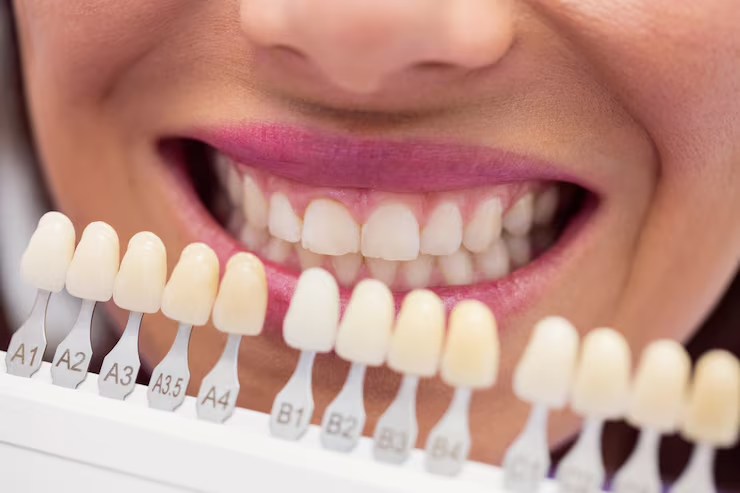
Outside stains, the dentist calls them extrinsic, come off pretty easy. Inside stains are another story. Maybe you took certain antibiotics as a kid while your adult teeth were still forming, or you got too much fluoride back then, and the color got locked in during development. Those teeth can lighten a bit, sometimes barely. I’ve had patients do three rounds on a banded, brownish tooth and see almost nothing change. It’s disappointing, no question, but at least once you know why, you can stop wasting money on it.
The One Gray Front Tooth
This is probably the most common complaint I get. One front tooth, darker than the ones beside it. Often there’s an old story behind it, a fall off a bike, a ball to the face, something you forgot about twenty years ago. The nerve inside got hurt and the tooth slowly went gray from the inside out. Regular whitening can’t reach that. Sometimes we bleach it from the inside after a root canal, and sometimes a veneer or crown makes more sense. Depends on the tooth, honestly.
Fillings and Crowns Don’t Whiten, Ever
Ok, this one gets people constantly. Gel only works on natural tooth. Fillings, bonding, crowns, veneers, none of them change shade, not even a little. So if you’ve got a couple of old white fillings on your front teeth and you whiten everything else, your real teeth get lighter and the fillings stay put. Now they look darker than before, which is a weird surprise at the mirror. We normally whiten first, wait a week or two, then replace those restorations to match the new color.
Why Your Family Dentist Should Look First
A family dentist who’s seen you for years has a big advantage here. They already know which teeth had work done, which one got knocked, which ones get sensitive when you so much as breathe cold air. That history tells them how your teeth will probably react before anyone opens a syringe of gel. Skipping that step is how people end up whitening a tooth that was never going to respond. A quick exam first isn’t upselling, it’s just saving you from a letdown and a wasted weekend.
Drugstore Strips Have Limits
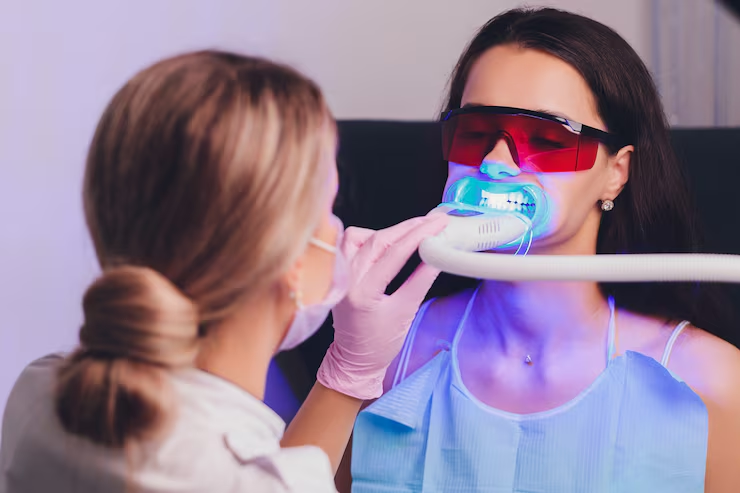
Store-bought kits are fine for mild surface staining and that’s about it. The gel’s weaker, the strips don’t fit every mouth, and a lot of people use them wrong. Leave them on too long and your teeth zing. Skip days and the results go patchy. I’ve seen smiles where the middle teeth are bright and the edges stayed yellow because the strip just didn’t cover them. In a proper dental clinic in Burbank, the trays are custom made or the treatment is done in the chair, with the gel strength matched to your teeth and your gums protected.
Habits That Quietly Undo It
Right after whitening, teeth are a little more porous, so they pick up color faster. For the first couple of days I tell people to stay off coffee, red wine, soy sauce, dark sodas, basically anything that would stain a white shirt. Smoking is the worst of all of it, no contest. And people forget that skipping cleanings matters too, because tartar builds up and makes teeth look yellow even when the enamel underneath is perfectly bleached. Good everyday dental care, the boring brushing and flossing kind, is what keeps the result around.
When Whitening Isn’t the Answer
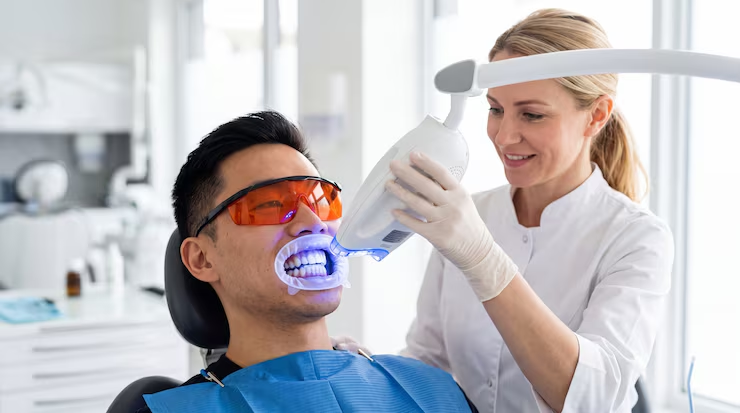
Sometimes bleaching just isn’t the right tool, and that’s okay. Natural tooth color varies a lot from person to person. Some folks start with a deeper base shade and they won’t ever reach that blinding white they see on social media. Yellow tones usually respond well, gray and brown take more effort or a different approach. There’s bonding, veneers, or microabrasion for some spots, depending on what’s causing the problem. Our dental services include walking you through those choices honestly, so you aren’t promised a movie-star smile and left feeling let down.
Before You Buy Another Box of Strips
If some of your teeth stayed dark after whitening, please don’t just keep stacking treatments on top of each other. See a teeth bleaching dentist and let them figure out why it didn’t take. It could be a deep stain, an old filling, a dead nerve, or just your natural shade. Once you know the cause the fix is usually pretty clear. You don’t have to guess about this stuff. Come in, let us look, and we’ll tell you straight what will work and what won’t. That’s really all it takes.