Tiny homes offer a practical way to simplify everyday living while making the most of limited space. With thoughtful design, efficient storage, and functional layouts, a small home can provide the comfort and convenience needed for everyday life. Whether you are planning a full-time residence, a backyard cottage, or a peaceful getaway, working with experienced tiny house experts can help you turn your ideas into a well-designed living space.
From selecting the right floor plan to choosing durable materials, professional guidance can make the building process easier to understand. If you are considering a tiny home, learning about the design, construction, and planning process can help you make informed decisions.
What Do Tiny House Experts Do?
Tiny house experts help homeowners plan, design, build, and customize compact living spaces. Their services may include architectural planning, space optimization, material selection, construction, and installation, depending on their area of expertise.
A knowledgeable professional understands that small homes require careful planning. Every room, storage area, and structural feature needs to serve a purpose without making the interior feel crowded.
Tiny house professionals may assist with:
- Custom home design: Creating layouts based on individual preferences and lifestyle needs.
- Space optimization: Using built-in storage, multipurpose furniture, and efficient room arrangements.
- Construction planning: Selecting suitable building materials and coordinating different stages of the project.
- Interior design: Choosing finishes, lighting, fixtures, and colors that complement compact spaces.
- Utility planning: Considering electrical systems, plumbing, heating, cooling, and ventilation.
- Installation guidance: Helping homeowners understand site preparation, delivery, and applicable building requirements.
Working with professionals who understand small-space construction can help you avoid common design challenges and create a home that supports your daily routine.
Benefits of Working With Tiny House Experts
1. Better Space Planning
One of the biggest challenges of tiny home living is making limited square footage feel comfortable. Professional designers can help you use available space efficiently without sacrificing essential features.
Built-in cabinets, convertible furniture, loft sleeping areas, and carefully positioned windows can improve functionality. A well-planned layout can also create better movement between the kitchen, bathroom, living area, and sleeping space.
2. Customized Living Spaces
Every homeowner has different priorities. Some people need a functional home office, while others prefer a spacious kitchen, accessible bathroom, or additional sleeping area.
Tiny house experts can help develop a design that reflects these needs. Customization may include storage solutions, interior finishes, window placement, ceiling height, and room configurations, depending on the construction method.
3. Improved Energy Efficiency
A smaller home can require less energy to heat and cool than a larger house, although actual performance depends on the design, climate, insulation, and equipment.
Proper insulation, energy-efficient windows, air sealing, and suitable heating and cooling systems can improve indoor comfort. Good ventilation and moisture management are also important for maintaining a healthy indoor environment.
4. Thoughtful Material Selection
The materials used in a tiny home affect its durability, appearance, and maintenance requirements. Professionals can help evaluate flooring, wall finishes, cabinetry, roofing, and insulation based on the home’s intended use and location.
Choosing suitable materials from the beginning can help reduce maintenance concerns and support long-term performance.
5. Guidance Throughout the Building Process
Building a tiny home involves several decisions, from initial planning to final installation. An experienced professional can explain the process, coordinate design considerations, and help identify issues that need attention before construction begins.
Clear communication helps homeowners understand project requirements and prepare for each stage of the work.
Popular Types of Tiny Homes
Tiny homes can be designed in different ways depending on the property, intended use, and personal preferences.
Tiny Homes on Wheels
These homes are constructed on a trailer chassis and designed to be movable. They may appeal to people who value mobility or want a compact living arrangement.
However, road transport, weight limits, utility connections, and where the home may be occupied must be considered before choosing this option.
Foundation-Based Tiny Homes
Foundation-based tiny homes are installed on an approved foundation and may serve as permanent residences where local regulations allow.
They can include conventional residential features such as full kitchens, bathrooms, dedicated bedrooms, and built-in storage.
Backyard Cottages
A backyard cottage may provide additional living space on a residential property. Depending on local rules, it can serve as a guest house, a separate living area for family members, or an accessory dwelling unit.
Property setbacks, utility access, occupancy requirements, and local zoning rules should be reviewed before construction.
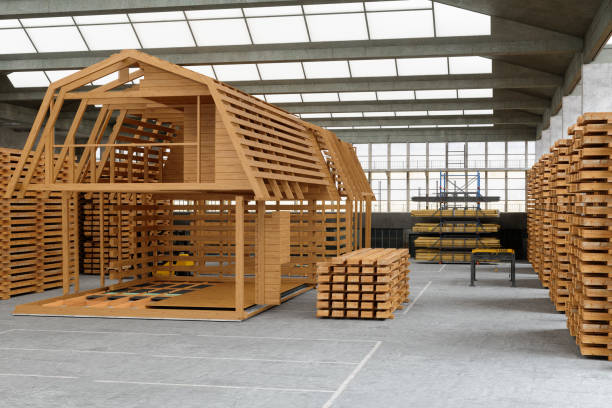
Prefabricated Tiny Homes
Prefabricated homes are built partly or entirely away from the final installation site and then transported for placement. This approach can help organize construction, although delivery access, site preparation, and installation requirements still need careful planning.
How to Choose the Right Tiny House Experts
Selecting the right professional can influence the quality, functionality, and overall success of your project.
Review Previous Projects
Look at completed homes, floor plans, photographs, and customer feedback. These examples can help you understand the professional’s design style, construction quality, and experience with compact spaces.
Discuss Your Requirements
Before choosing a design, consider how you plan to use the home. Think about the number of occupants, sleeping arrangements, kitchen needs, storage, accessibility, and whether you intend to live there throughout the year.
Sharing these details early can help the design team recommend a suitable layout.
Understand Construction and Installation
Ask which services are included in the project. Some professionals focus on design, while others handle construction, transportation, installation, or coordination with other contractors.
Understanding each party’s responsibilities can help prevent confusion during the building process.
Check Local Regulations
Tiny homes are subject to different requirements depending on their classification, location, and intended use. Zoning rules, building permits, foundation standards, utility connections, and occupancy requirements may all affect the project.
Contact the appropriate local authorities before purchasing a structure or beginning construction.
Important Features to Consider in a Tiny Home
A comfortable tiny home should support everyday activities while making efficient use of available space.
Consider incorporating these features into your plan:
- Multipurpose furniture: Furniture that serves more than one function can help free up valuable floor space.
- Smart storage: Built-in shelving, under-bed drawers, and vertical cabinets can keep belongings organized.
- Natural lighting: Well-positioned windows and appropriate lighting can make rooms feel more open.
- Practical kitchen design: Efficient cabinet layouts and appropriately sized appliances can improve daily use.
- Comfortable bathroom facilities: Good ventilation, functional fixtures, and accessible storage help make the space easier to maintain.
- Climate-appropriate construction: Insulation, weather-resistant materials, and suitable heating and cooling systems help support year-round comfort.
The best features depend on your lifestyle, available space, and long-term plans.
Frequently Asked Questions
1. What do tiny house experts help with?
Tiny house experts may assist with design, space planning, material selection, construction, interior finishes, and installation. The services available depend on the professional or company you choose.
2. Can a tiny home be used as a permanent residence?
Yes, some tiny homes can be used as permanent residences, provided they meet the applicable building, zoning, and occupancy requirements for their location.
3. Are tiny homes suitable for families?
A tiny home can accommodate a small family when its layout is carefully planned. Sleeping arrangements, privacy, storage, bathroom facilities, and shared living space should be considered before construction.
4. Can I customize my tiny home?
Many tiny home professionals offer customization options. Depending on the design and construction method, you may be able to adjust the floor plan, storage, kitchen, bathroom, windows, and interior finishes.
5. What should I consider before building a tiny home?
Consider the intended use, property regulations, site access, utility connections, insulation, storage requirements, and future living needs. Discussing these factors with an experienced professional can help you develop a practical plan.
6. How do I maintain a tiny home?
Regular maintenance includes checking the roof, exterior finishes, plumbing, electrical systems, ventilation, and heating and cooling equipment. Keeping the interior organized and addressing small repairs promptly can also help maintain the home.
Start Planning Your Tiny Home
Creating a functional tiny home requires thoughtful design, suitable materials, and careful construction planning. Tiny home builders in Colorado can help you understand your options and develop a living space that balances comfort, functionality, and efficient use of space while considering the state’s climate and local building requirements.
If you are considering a compact home, connect with experienced tiny house experts to discuss your goals, explore suitable designs, and understand the requirements for your property. With a clear plan and attention to detail, you can create a small home that fits your lifestyle and everyday needs.