Industrial filtration and separation systems must handle a difficult balance: removing unwanted particles while maintaining consistent flow, minimizing downtime, and controlling operating costs. Whether a facility processes wastewater, filters groundwater, separates minerals, or manufactures food products, the quality of its screening equipment can directly affect productivity and product quality.
One solution used across these industries is wedge wire, a precision-engineered screening material designed to separate solids from liquids or other materials while allowing fluid to pass through carefully controlled openings. Its distinctive profile, durable construction, and customizable slot sizes make it suitable for applications where conventional mesh screens may struggle with clogging, wear, or demanding operating conditions.
Understanding how wedge wire works, where it performs best, and which design factors matter most can help engineers, plant managers, and purchasing teams select equipment that meets their actual process requirements.
What Is Wedge Wire and How Does It Work?
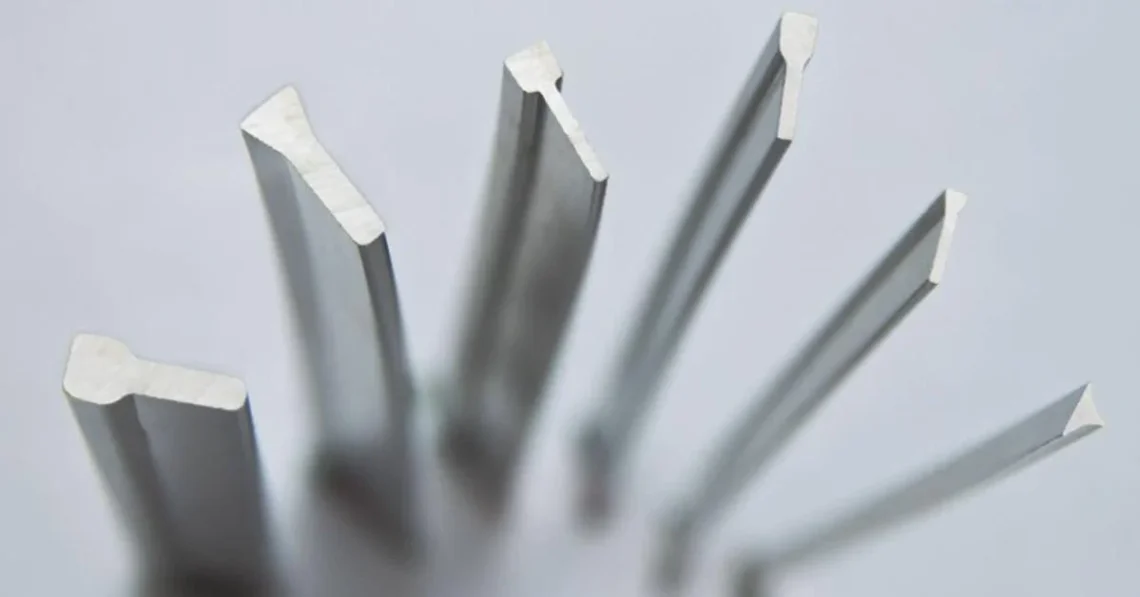
Wedge wire is a screening material manufactured by welding specially shaped metal profiles, typically triangular in cross-section, onto supporting rods. The resulting structure creates narrow, accurately controlled openings between adjacent profiles.
Unlike woven wire mesh, which relies on intersecting wires, wedge wire uses a continuous slot design. The profile usually has a wider top surface and a narrower base, creating an opening that expands inward. This geometry can reduce particle bridging and help material move through the screen rather than becoming trapped within the opening.
Stainless steel is a common material choice because of its strength and corrosion resistance. Depending on the operating environment, manufacturers may also use other suitable metals or alloys.
Wedge wire products are available in different configurations, including flat panels, cylindrical screens, baskets, sieve bends, and intake screens. Each configuration serves a particular purpose, from filtering process water to supporting industrial dewatering operations.
Major Applications of Wedge Wire
Wedge wire is used wherever controlled separation, dependable flow, and mechanical durability are important.
Water Treatment and Wastewater Management
Water treatment facilities use wedge wire screens to remove debris, suspended solids, and other unwanted materials before water enters downstream treatment equipment. Intake screens can protect pumps and pipelines, while wastewater screens help capture solids that might otherwise interfere with biological treatment or damage mechanical components.
For example, a municipal wastewater plant handling variable inflow may use a cylindrical or panel screen to capture fibrous debris and larger particles. Selecting an appropriate slot opening helps protect downstream equipment without unnecessarily restricting flow.
Food and Beverage Processing
Food processing operations often require equipment that is durable, cleanable, and compatible with strict hygiene procedures. Wedge wire screens can support washing, grading, draining, and separation processes involving products such as vegetables, grains, and other food materials.
The selected metal grade, surface finish, and cleaning method are especially important in these applications. Equipment must suit the specific food product and comply with applicable sanitation requirements.
Mining and Mineral Processing
Mining operations use wedge wire screens for sizing, dewatering, and separating mineral particles from process water. Abrasive materials can quickly wear unsuitable screening equipment, making material selection and structural strength essential.
A properly designed screen can help remove water from mineral concentrates while allowing solids to remain on the screening surface. Slot dimensions must match the required particle separation and the characteristics of the material being processed.
Oil, Gas, and Chemical Industries
In industrial process systems, wedge wire components may serve as filtration elements, support screens, or internals in separation equipment. They can be designed to withstand specific combinations of pressure, temperature, chemical exposure, and flow.
However, not every wedge wire product is suitable for every chemical process. Engineers must verify material compatibility and mechanical ratings before selecting a component for demanding service.
How to Select the Right Wedge Wire Screen
Choosing an appropriate screen requires more than matching an opening size to a particle diameter. The following process provides a practical starting point.
Step 1: Define the Separation Objective
First, identify what the screen must accomplish. Is it removing debris from incoming water, retaining valuable particles, separating solids from a liquid, or supporting a filtration layer?
Define the desired separation threshold and determine whether the process requires high particle retention, maximum throughput, or a balance of both.
For instance, a screen protecting a pump from large debris has different requirements from a mineral-processing screen designed to retain fine particles during dewatering.
Step 2: Determine the Required Slot Opening
Slot size influences particle retention, flow capacity, and the likelihood of clogging. Smaller openings generally improve the retention of fine particles but can increase hydraulic resistance and maintenance demands.
Consider the full particle-size distribution rather than relying solely on an average particle size. Irregular particles, fibers, and deformable materials may behave differently from uniform particles.
Whenever possible, evaluate the proposed opening size using representative process samples or pilot testing.
Step 3: Choose the Appropriate Material
Material selection should account for corrosion, abrasion, temperature, cleaning chemicals, and the mechanical load on the screen.
Stainless steel grades may suit many water-treatment and food-processing environments, while specialized alloys may be necessary for aggressive chemical exposure. Abrasive slurries may require particular attention to wear resistance.
Avoid choosing a material based only on its initial price. Premature corrosion or wear can make an inexpensive screen more costly over its service life.
Step 4: Evaluate Screen Geometry and Support
The screen’s shape, profile dimensions, support spacing, and total open area affect its performance. A cylindrical screen may suit an intake or internal filtration assembly, whereas a flat panel may be easier to integrate into a screening channel.
Support spacing must accommodate the expected pressure difference and mechanical loading. An unnecessarily weak support structure can deform under operating conditions, even when the screening profiles themselves are durable.
Step 5: Check Operating Conditions
Before finalizing a design, document the expected flow rate, pressure differential, operating temperature, solids concentration, and cleaning method.
Also consider startup conditions, flow fluctuations, and temporary blockages. These factors can create loads that differ significantly from normal operating conditions.
Review the proposed design against the equipment manufacturer’s ratings and applicable engineering requirements.
Key Benefits of Wedge Wire Technology
Wedge wire offers several practical advantages when the product is correctly specified.
- Controlled openings: Precision manufacturing allows slot dimensions to be tailored to specific separation requirements.
- Reduced clogging potential: The widening slot geometry can help particles pass through rather than become lodged in a narrow passage.
- Strong construction: Welded profiles and support rods create a rigid structure suitable for many industrial applications.
- Efficient flow: A suitable open-area design can provide substantial flow capacity without compromising required particle retention.
- Long service life: Appropriate material selection and maintenance can help resist corrosion, wear, and repeated cleaning.
- Custom configurations: Screens can be manufactured in different shapes, dimensions, and profile arrangements to fit existing equipment.
These advantages are not automatic. Performance depends on the relationship between slot size, material properties, process conditions, and maintenance practices.
Common Mistakes and Challenges
Even a well-manufactured screen can underperform if the application is poorly understood.
One frequent mistake is selecting slots that are too small. Although finer openings may appear to offer better filtration, they can increase pressure loss, reduce throughput, and require more frequent cleaning.
Another problem is overlooking the difference between nominal particle size and actual separation performance. Particle shape, orientation, concentration, and fluid characteristics all influence what passes through a screen.
Material compatibility is equally important. A metal that performs well in clean water may deteriorate in a process containing chlorides, acids, or aggressive cleaning agents.
Poor support design can also cause deformation, vibration, or premature structural failure. In high-flow applications, engineers should assess differential pressure and loading rather than relying on dimensions alone.
Finally, neglecting maintenance can reduce performance over time. Deposits, scale, biological growth, and accumulated solids may obstruct openings even when the screen’s original design was appropriate.
Practical Recommendations for Better Performance
To get reliable results, evaluate the screen as part of the entire process rather than as an isolated component.
Start by collecting operating data before requesting a design. Flow rate, particle distribution, fluid chemistry, temperature, and available installation space help manufacturers recommend an appropriate configuration.
Ask for documented specifications covering slot tolerance, material grade, structural strength, and operating limits. For critical applications, consider testing a sample or conducting a pilot trial before committing to a full installation.
Establish baseline operating measurements after installation. Tracking flow rate, pressure differential, cleaning frequency, and visible wear can reveal developing problems before they cause an unexpected shutdown.
Cleaning procedures should also match the screen material and application. Excessive mechanical force or incompatible chemicals may damage the component, while inadequate cleaning can allow deposits to accumulate. Follow manufacturer recommendations for cleaning pressure, chemical compatibility, and inspection intervals.
Where possible, calculate total ownership costs instead of comparing purchase prices alone. Include installation, cleaning, replacement frequency, energy consumption, and downtime. A screen that costs more initially may offer better long-term value if it reduces maintenance and production interruptions.
Conclusion
Wedge wire provides a versatile approach to industrial screening and filtration, with applications spanning water treatment, food processing, mining, and chemical manufacturing. Its controlled openings, durable construction, and adaptable geometry make it a useful option for processes that require consistent separation and dependable flow.
The best results come from selecting the right slot size, material, screen configuration, and support structure for the actual operating environment. By validating these factors, monitoring performance, and maintaining the equipment appropriately, facilities can improve separation efficiency and reduce avoidable operating costs.