A yard does not have to be completely redesigned to become more useful. In many Arlington homes, there are corners, narrow side areas, empty patches, and sections of lawn that receive little attention but could serve a much better purpose. With thoughtful planning, these spaces can become comfortable seating areas, attractive garden zones, walkways, play areas, or practical extensions of the home.
That is where landscaping Arlington becomes more than simply choosing plants and maintaining grass. Good landscape planning looks at how the property is actually used and finds ways to make outdoor space support everyday activities. Instead of filling every open area with more lawn, homeowners can think about what their yard is missing and use available space accordingly.
Start by Looking at the Yard Differently
The first step is to identify which parts of the property are genuinely being used and which are simply taking up space. A large section of grass may look neat, but if nobody sits there, plays there, or uses it for another purpose, it may not be providing much value.
Unused areas can appear in many forms. There may be a strip beside the garage, an awkward corner behind the house, an empty area near a fence, or a section of the backyard that is rarely visited. These spaces can easily become overlooked because they are not obvious focal points.
Before making changes, homeowners should consider:
- Which areas are rarely used?
- Where does the property receive the most and least sunlight?
- Are there drainage or water-flow concerns?
- Would a path make movement around the yard easier?
- Could a small outdoor area serve a specific household need?
Answering these questions creates a clearer starting point than immediately buying plants or materials.
Give Empty Areas a Specific Purpose
One of the easiest ways to improve an underused yard is to give each space a job. An outdoor area becomes much easier to design when there is a clear reason for it to exist.
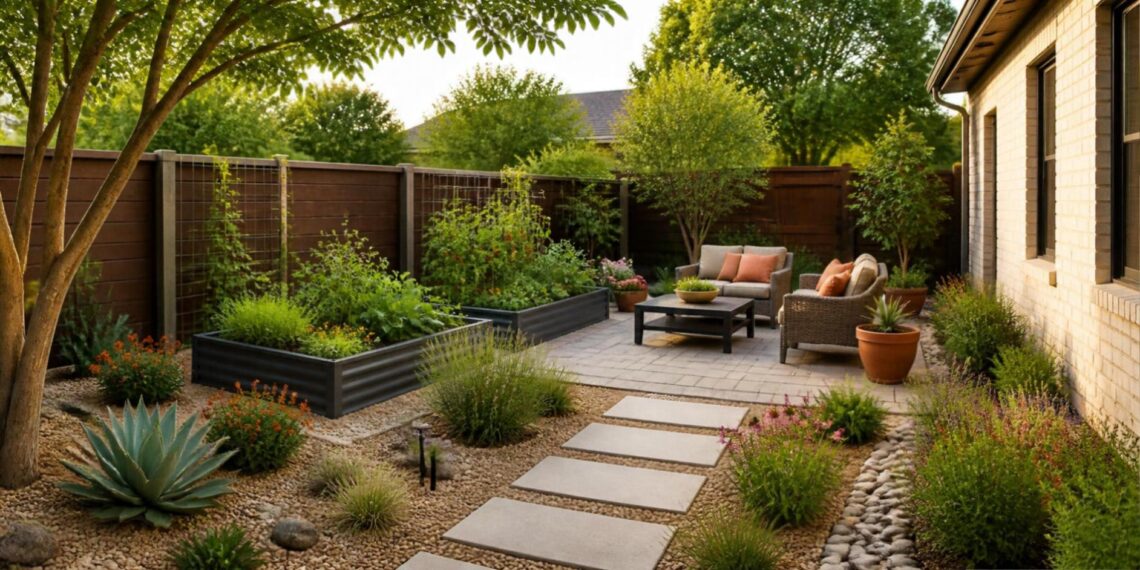
For example, a neglected corner could become a small seating area with a paved surface and surrounding plants. A wide side yard could be turned into a more attractive walkway connecting the front and backyard. A previously unused section near the patio could provide space for container gardening or a small planting bed.
The goal is not to eliminate every open section. Open lawn can still be valuable for children, pets, gatherings, or simply creating visual breathing room. The important point is to avoid having large areas that exist without serving a meaningful purpose.
This practical approach is one reason landscaping Arlington projects can look very different from one property to another. Two homes may have similar lot sizes but completely different outdoor needs.
Create Outdoor Zones Instead of One Large Space
A backyard does not always need to function as one continuous lawn. Dividing it into smaller zones can make the property feel more organized while creating opportunities for different activities.
A homeowner might use one section for dining, another for relaxing, and another for plants or recreation. These areas do not necessarily need walls or large structures to feel separate. Changes in paving, planting, elevation, furniture placement, or pathways can provide enough definition.
A Seating Corner
An unused corner can become a simple destination within the yard. A small patio or level surface, combined with comfortable seating and surrounding greenery, can create a quiet area away from the main outdoor space.
A Garden Area
A section that receives suitable sunlight may work well for ornamental plants, seasonal color, herbs, or other garden features. Planting beds can also help break up large stretches of lawn and add visual interest.
A Walking Route
Side yards and narrow spaces are often treated as leftover areas, but they can become useful connections between different parts of the property. A properly planned walkway can make movement easier while giving the space a deliberate appearance.
A Family Activity Area
If a household has children or pets, keeping some open space may be more useful than replacing it with extensive hardscaping. The design should reflect how the property is actually used rather than following a generic landscape formula.
Think About Movement Through the Property
A good landscape should feel easy to move through. When outdoor spaces are designed without considering circulation, homeowners may end up walking across planting beds or taking inconvenient routes around structures.
Unused areas can sometimes solve this problem.
A pathway through an otherwise empty section can connect the driveway to a backyard entrance. A stepping-stone route can guide people toward a seating area. Even a simple change in the shape of a lawn can create a more natural connection between different parts of the property.
Pathways also have an important visual role. They can direct attention toward a feature, frame a planting area, or create a sense of progression through the yard.
The materials should match the property’s overall style and practical needs. Pavers, stone, concrete, gravel, and other surfaces can each create a different appearance, but installation should also account for drainage, stability, maintenance, and regular foot traffic.
Use Plants to Define Space
Plants can do much more than add color. They can help organize an outdoor layout and make separate areas feel connected.
For instance, a row of suitable plants can create a soft boundary around a seating area without making the space feel enclosed. Low-growing plants can define the edge of a walkway, while larger shrubs can provide structure around a patio or garden.
Plant selection should take the actual conditions of the property into account. Sun exposure, soil conditions, available water, mature plant size, and maintenance expectations all matter.
A common mistake is choosing plants based mainly on how they look at the garden center. A plant may appear perfect in a container but become difficult to manage once it reaches its mature size or faces the conditions of the property.
Good landscaping Arlington planning considers how plants will look and perform months and years after installation, not just on the day they are planted.
Do Not Forget Drainage and Grading
Unused yard areas sometimes remain unused for a reason. They may collect water, become muddy after rain, or sit lower than surrounding areas.
Before turning such a space into a patio, garden, or pathway, homeowners should understand how water moves across the property. Adding a hard surface without considering drainage can create problems elsewhere by changing where runoff travels.
Grading may need to be addressed before other improvements are installed. Depending on the property, solutions may include adjusting slopes, improving soil conditions, directing water toward appropriate drainage points, or incorporating landscape features that work with natural water movement.
This is an area where appearance should not come before function. A beautiful outdoor feature will not remain enjoyable if water continually collects around it.
Make Small Changes When a Full Redesign Is Not Necessary
Homeowners do not always need a major landscape renovation. Sometimes a few targeted improvements can completely change how an underused yard feels.
A narrow planting bed, a small seating surface, a new pathway, or a defined garden corner may be enough to give an empty section a purpose. Working in stages can also make landscaping easier to budget and maintain.
A phased approach might begin with the area that has the greatest potential. Once that section is working well, additional improvements can be added around it.
This approach is particularly useful when the homeowner is still deciding how the property should function. Instead of committing to a complete redesign, they can test ideas and gradually develop the yard.
Choose Features That Fit the Property
Not every outdoor feature belongs in every yard. A design should consider the home’s architecture, lot size, existing trees, surrounding properties, and the way residents use the space.
For example, a small yard may benefit more from a compact seating area and carefully selected planting beds than from multiple large structures. A larger property may have enough room for separate entertaining, recreation, and garden areas.
Scale matters as well. Oversized features can make a smaller yard feel crowded, while tiny features may disappear in a large property.
The strongest landscaping usually feels connected to the property rather than added onto it.
Keep Maintenance in the Design Conversation
Turning unused space into something attractive is only part of the job. Homeowners should also think about how much time they want to spend maintaining the new landscape.
A complicated planting arrangement with many different species may require more attention than a simpler design. Likewise, extensive lawn areas may require regular mowing, edging, watering, and seasonal care.
Maintenance should be considered before installation rather than after problems appear. A landscape that matches the homeowner’s available time is more likely to remain attractive over the long term.
This does not mean every yard needs to be low-maintenance. It simply means the design should be realistic about ongoing care.
Professional Planning Can Help Avoid Costly Changes
Some landscaping projects are straightforward, but larger changes can involve grading, drainage, irrigation, hardscaping, planting design, and long-term maintenance considerations. Getting professional input before construction begins can help identify issues that may not be obvious to a homeowner.
The Grounds Guys of Arlington can be part of that planning process by helping homeowners think through how different parts of their outdoor property can be organized and used. The focus should be on creating a landscape that fits the property, the surrounding environment, and the homeowner’s practical needs.
Professional planning can also help prevent a common problem: installing one feature without considering what should happen around it. A patio, for example, should work with nearby planting areas, pathways, drainage, and the rest of the yard rather than functioning as an isolated addition.
Think About How the Yard Will Change Over Time
A landscape is not a finished product on installation day. Plants grow, families change, outdoor habits shift, and maintenance needs evolve.
A yard designed around today’s needs should still have enough flexibility to adapt later. Open areas can be intentionally preserved for future uses, while permanent structures should be positioned carefully.
Plant maturity is particularly important. Trees and shrubs that appear small during installation may eventually occupy a much larger area. Giving them enough room from the beginning can reduce pruning problems and prevent conflicts with structures, walkways, or utilities.
Good landscaping therefore requires some forward thinking. The best use of an empty space today may also create possibilities for the property several years from now.
Common Mistakes to Avoid
Even a simple landscape improvement can become frustrating when the planning stage is skipped. A few common mistakes can reduce the value of an otherwise promising project.
Filling every empty space: Open areas are not automatically wasted. Some lawn and breathing room can make a yard more comfortable.
Ignoring mature plant size: Plants should be selected based on their eventual size rather than their appearance when newly installed.
Choosing materials without considering drainage: Hard surfaces and grading changes can affect how rainwater moves across the property.
Creating features without a purpose: Every patio, pathway, bed, or structure should contribute something useful to the overall design.
Underestimating maintenance: A landscape that looks impressive but requires more upkeep than the homeowner wants to provide may quickly become difficult to manage.
A More Useful Yard Starts With Better Questions
The most effective landscaping projects do not necessarily begin with the question, “What should we add?” A better starting point is, “What could this part of the yard do?”
That change in thinking can reveal opportunities that are easy to overlook. A forgotten corner might become a place to sit. A narrow strip might become a pathway. An empty section of lawn might become a garden or outdoor activity area. A poorly connected part of the property might become a useful transition between spaces.
Ultimately, landscaping Arlington is about matching outdoor design with the way a property actually works. When homeowners look beyond empty space and consider function, movement, maintenance, drainage, and long-term growth, even an ordinary yard can become considerably more useful.
Frequently Asked Questions
What is the first step in improving unused yard space?
Start by identifying how the space is currently being used and what the property is missing. Consider sunlight, drainage, access, maintenance, and household activities before choosing specific features.
Can a small yard still benefit from landscaping?
Yes. Smaller properties often benefit from clearly defined zones, carefully scaled features, vertical planting, and efficient pathways. The key is using space intentionally rather than overcrowding it.
Should unused lawn always be replaced?
No. Open lawn can be useful for recreation, pets, children, or gatherings. The goal is to make the yard functional, not necessarily to remove as much grass as possible.
How can pathways improve a landscape?
Pathways can connect different areas, make movement easier, and help define the overall layout. They can also turn narrow or overlooked sections into useful parts of the property.
Why is drainage important in landscaping?
Drainage affects how water moves through the property. If a new patio, planting area, or grading change is installed without considering runoff, it can contribute to standing water or other landscape problems.
Is professional landscaping necessary for every project?
Not every small improvement requires professional assistance. However, projects involving significant grading, drainage, hardscaping, or major layout changes can benefit from professional planning before work begins.
Conclusion
Unused yard space does not have to remain an afterthought. With the right planning, overlooked areas can become useful parts of the property, whether that means creating a quiet seating corner, improving circulation, adding a garden, or simply making the existing layout work more effectively.
The best landscaping Arlington projects are not necessarily the ones that add the most features. They are the ones that make thoughtful use of the space already available. By understanding how the yard functions, planning for maintenance, and choosing improvements that fit the property, homeowners can create outdoor areas that feel purposeful, comfortable, and easier to enjoy.