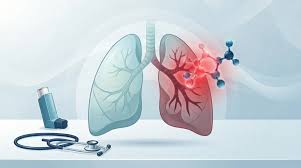
Living with emphysema can make everyday breathing more difficult. As a type of chronic obstructive pulmonary disease (COPD), emphysema damages the air sacs in the lungs and reduces the lungs’ ability to move oxygen efficiently into the bloodstream. While medical treatment, smoking cessation, pulmonary rehabilitation and lifestyle changes remain central to managing the condition, nutrition can also play an important supporting role.
This is where All Natural Organic Supplements may attract attention. People with emphysema often ask whether vitamins, minerals, antioxidants or herbal products can support respiratory wellness, improve nutritional status or help the body cope with the demands of chronic lung disease.
The answer requires some care. Supplements cannot repair permanently damaged air sacs or replace prescribed COPD treatment. However, selected nutrients may help address nutritional deficiencies, support normal immune function and contribute to overall health when used appropriately.
If you are considering a Herbal Cure for Emphysema, it is important to distinguish supportive nutritional care from claims of curing the disease. Emphysema is a chronic condition, and there is currently no supplement proven to reverse established structural lung damage.
What Happens to the Lungs with Emphysema?
To understand why nutrition may matter, it helps to look at what happens inside the lungs.
Healthy lungs contain millions of tiny air sacs called alveoli. These structures allow oxygen to pass into the blood and carbon dioxide to leave the body. With emphysema, the walls between some air sacs become damaged. The air sacs can lose their normal elasticity and merge into larger, less efficient spaces.
This makes it harder to breathe air out completely. Air can become trapped inside the lungs, contributing to breathlessness, chest tightness and reduced exercise tolerance.
Emphysema is commonly associated with long-term exposure to cigarette smoke, although other factors can contribute. Continued exposure to tobacco smoke or other lung irritants can worsen lung damage.
Because damaged lung tissue cannot simply be rebuilt with a supplement, treatment focuses on slowing disease progression, managing symptoms, improving exercise capacity and supporting quality of life.
Why Nutrition Matters in Emphysema
Breathing requires energy. People with advanced COPD may use considerably more energy simply to breathe than people without chronic lung disease.
At the same time, breathlessness can make eating difficult. Some people become tired while preparing or eating meals. Others may feel full quickly because of changes in breathing mechanics. Reduced appetite, medication effects and fatigue can also affect food intake.
These factors may increase the risk of poor nutrition.
Some people with emphysema lose weight and muscle mass, particularly when COPD becomes more severe. Losing muscle can reduce strength and exercise capacity, which may make everyday activities even harder.
Other people with COPD may be overweight or have obesity, meaning that nutritional needs differ considerably from person to person.
For this reason, the goal should not simply be to take supplements. The first step is to identify individual nutritional needs.
What Are All Natural Organic Supplements?
The phrase All Natural Organic Supplements is commonly used to describe nutritional products made from vitamins, minerals, plant extracts, herbs or other naturally derived ingredients.
These products may be marketed for general wellness or respiratory support. However, “natural” does not automatically mean safe, effective or appropriate for everyone.
A supplement can interact with prescription medicines, cause side effects or provide excessive amounts of particular nutrients. Herbal products can also contain concentrated compounds that affect the body differently from the whole food or plant from which they originated.
If you have emphysema, speak with your doctor or pharmacist before adding a new supplement, particularly if you take several medicines.
Which Nutrients May Matter for People with Emphysema?
There is no single supplement that works for everyone with emphysema. Nutritional support should be based on diet, symptoms, medical history and, where appropriate, blood tests.
Several nutrients are nevertheless important for maintaining normal body functions.
1. Vitamin D
Vitamin D contributes to normal immune function, bone health and muscle function. People with chronic illnesses may have low vitamin D levels, especially if they spend limited time outdoors or have dietary restrictions.
A deficiency should ideally be confirmed or assessed by a healthcare professional before taking high-dose vitamin D.
Vitamin D does not reverse emphysema, but correcting a deficiency can support overall health.
2. Vitamin C
Vitamin C is an antioxidant that contributes to normal immune function and helps protect cells from oxidative stress.
Fruit and vegetables are excellent sources. Citrus fruits, berries, peppers, tomatoes and leafy vegetables can contribute vitamin C to the diet.
A supplement may be considered when dietary intake is inadequate, but taking large amounts does not necessarily provide additional lung benefits.
3. Vitamin E
Vitamin E also has antioxidant properties and helps protect cells from oxidative damage.
Nuts, seeds, vegetable oils and some green vegetables contain vitamin E. If someone has a balanced diet, additional supplementation may not be necessary.
High-dose supplements should not be taken casually, particularly because vitamin E can affect bleeding risk and may interact with certain medicines.
4. Magnesium
Magnesium is involved in normal muscle and nerve function and many metabolic processes.
Food sources include nuts, seeds, whole grains, beans and leafy green vegetables.
If dietary intake is poor or a deficiency is identified, supplementation may sometimes be appropriate. However, magnesium supplements are not a treatment for emphysema itself.
5. Omega-3 Fatty Acids
Omega-3 fatty acids are found in oily fish such as salmon, sardines and mackerel, as well as in certain plant foods.
They are widely studied for their role in general health and inflammatory processes. However, evidence is not strong enough to say that omega-3 supplements can reverse emphysema or directly restore lung function.
For most people, obtaining nutrients through a varied diet is preferable where possible.
Antioxidants and Lung Health
Oxidative stress is an important area of research in COPD.
The lungs are exposed to oxygen and environmental substances every day. Cigarette smoke and air pollution can increase exposure to reactive compounds. The body has its own antioxidant defence systems, while many foods contain antioxidant compounds.
This has led researchers to investigate whether antioxidant-rich diets or supplements might benefit people with COPD.
However, there is an important distinction between eating antioxidant-rich foods and taking concentrated antioxidant supplements.
A diet containing vegetables, fruit, whole grains, nuts, seeds and other minimally processed foods provides a broad range of nutrients. Taking large doses of individual antioxidants may not produce the same effects.
Therefore, rather than relying on a high-dose supplement, focus first on a balanced eating pattern.
Herbal Remedies for Emphysema: What Should You Know?
Searches for Herbal Remedies for Emphysema are common because many people prefer natural approaches.
Herbs may contain biologically active compounds, and some have been investigated for respiratory symptoms. However, research quality varies considerably between individual herbs and products.
Most importantly, an herbal product should not be presented as a replacement for inhalers, oxygen therapy, pulmonary rehabilitation or other medical treatment prescribed for COPD.
Some herbal ingredients can also interact with medicines.
For example, certain herbs may affect blood clotting, blood pressure, blood sugar or how medicines are metabolised. This can be particularly important for people with COPD who may take several medicines for respiratory and other health conditions.
Always check the full ingredient list and discuss herbal products with a qualified healthcare professional.
Can Supplements Improve Breathing?
This is one of the most important questions people with emphysema ask.
Supplements should not be expected to restore normal breathing or repair damaged alveoli.
Breathlessness associated with emphysema can result from permanent structural changes in the lungs, air trapping and reduced respiratory efficiency. Nutritional support cannot simply reverse these changes.
However, correcting nutritional deficiencies and maintaining adequate energy and protein intake may support muscle strength and general physical function.
That distinction matters.
A supplement may support nutritional status without directly treating the underlying lung disease.
Protein and Muscle Health Are Especially Important
One area that deserves more attention is protein intake.
People with advanced COPD can experience muscle loss. Respiratory muscles and the muscles used for walking and daily activities all require adequate nutrition.
If someone is unintentionally losing weight or muscle, simply taking a multivitamin may not address the underlying problem.
Adequate protein from foods such as eggs, fish, poultry, dairy products, beans, lentils, nuts and seeds can be valuable.
A dietitian can help determine appropriate calorie and protein requirements, particularly if weight loss is occurring.
Smaller, more frequent meals may also be easier for some people who become breathless while eating large meals.
Supplements Should Complement, Not Replace, COPD Treatment
If you have emphysema, prescribed treatment remains important.
Depending on your condition, your healthcare team may recommend:
- Bronchodilator inhalers
- Inhaled medicines to manage COPD symptoms
- Pulmonary rehabilitation
- Vaccinations
- Oxygen therapy when indicated
- Physical activity and exercise
- Smoking cessation
- Nutritional support
- Treatment of COPD exacerbations
Supplements should fit around this treatment plan rather than replace it.
If a product claims that it can cure emphysema, remove lung damage or eliminate the need for prescribed medication, approach that claim with caution.
Can Lifestyle Changes Work Alongside Natural Supplements?
Yes. In many cases, lifestyle changes have a much stronger foundation of evidence than individual supplements.
Stop Smoking
If you currently smoke, quitting is one of the most important steps you can take.
Stopping smoking can reduce continued exposure to harmful substances and may slow the decline in lung function.
Stay Physically Active
Appropriate physical activity can help maintain muscle strength and endurance.
Pulmonary rehabilitation can provide structured exercise and education for people with COPD. Your healthcare team can recommend activities appropriate for your level of lung function.
Eat a Nutrient-Dense Diet
Build meals around vegetables, fruit, whole grains, protein-rich foods and healthy fats.
If eating is difficult because of breathlessness, smaller meals throughout the day may be easier.
Stay Hydrated
Adequate fluid intake can support normal body function. Some people also find that appropriate hydration makes mucus easier to manage, although individual fluid requirements vary, particularly when other medical conditions are present.
Reduce Exposure to Lung Irritants
Avoid tobacco smoke and minimise exposure to dust, fumes, strong chemicals and polluted air where possible.
How to Choose a Supplement Safely
If you decide that supplementation is appropriate, consider several factors.
Check the Ingredients
Do not judge a product solely by its marketing claims. Read the full ingredient list and determine exactly what you are taking.
Avoid Excessive Doses
More is not always better. High doses of certain vitamins and minerals can cause adverse effects.
Consider Your Medicines
Tell your doctor or pharmacist about every supplement you use. This includes herbal products, powders, capsules, teas and nutritional drinks.
Choose Transparent Products
Look for products that clearly state their ingredients and amounts. Avoid products that make unrealistic promises such as curing emphysema or reversing severe lung damage.
Consider Your Actual Nutritional Needs
A supplement is most useful when it addresses a genuine nutritional requirement. If you already receive enough of a nutrient from your diet, additional supplementation may provide little benefit.
What About Herbs Solutions By Nature?
People researching natural approaches may encounter Herbs Solutions By Nature when looking for herbal or nutritional products.
If you are considering any herbal product for emphysema, evaluate it based on its complete ingredient list, quality information, intended use and safety considerations rather than assuming that a natural product can cure lung damage.
Discuss the product with your healthcare professional before using it alongside COPD medicines.
This is particularly important if you use oxygen, take blood-thinning medication or have other chronic conditions.
When Should You Speak to Your Doctor?
Do not rely on supplements if your breathing is becoming significantly worse.
Seek prompt medical advice if you experience:
- A sudden increase in breathlessness
- Chest pain
- Blue or grey lips or fingertips
- Confusion or unusual drowsiness
- A significant change in mucus colour or amount
- Fever with worsening respiratory symptoms
- Difficulty speaking because of breathlessness
- Symptoms that are rapidly getting worse
These symptoms may indicate a COPD exacerbation or another medical problem requiring treatment.
A Practical Approach to Natural Nutritional Support
A sensible approach is to start with your overall diet rather than immediately purchasing several supplements.
First, look at whether you are eating enough calories and protein. Next, consider whether your diet contains a variety of vegetables, fruit, whole grains, legumes, nuts, seeds and appropriate sources of protein.
If you have weight loss, poor appetite, fatigue or other signs of nutritional problems, ask your healthcare professional whether nutritional assessment or blood tests are appropriate.
If a deficiency is identified, supplementation can then be targeted.
This approach is generally more useful than taking numerous products at once.
Frequently Asked Questions
Can natural supplements cure emphysema?
No. There is currently no natural supplement proven to cure emphysema or reverse established damage to the lung air sacs. Supplements may provide nutritional support when a person has an identified deficiency or inadequate dietary intake.
Are All Natural Organic Supplements safe for emphysema?
Not automatically. “Natural” does not guarantee safety. Some supplements can interact with medicines or cause adverse effects. Always check the ingredients and discuss new supplements with your doctor or pharmacist.
Which vitamins are important for lung health?
Vitamins such as D, C and E have important roles in normal body functions, including immune function and antioxidant protection. However, taking high doses does not mean that lung function will improve.
Can herbal remedies replace inhalers?
No. Herbal products should not replace prescribed inhalers or other COPD treatments without medical guidance.
Should people with emphysema take protein supplements?
Some people with COPD may benefit from additional nutritional support, especially when they are losing weight or muscle. Whether a protein supplement is appropriate depends on individual dietary intake and health needs.
Are antioxidants helpful for emphysema?
Antioxidants are involved in the body’s defence against oxidative stress, but evidence does not establish that high-dose antioxidant supplements can reverse emphysema. A varied diet rich in plant foods is generally a sensible foundation.
Final Thoughts
Natural nutritional support can have a place in an overall emphysema management plan, but expectations should remain realistic.
All Natural Organic Supplements may help fill specific nutritional gaps, but they cannot rebuild damaged alveoli or replace evidence-based COPD treatment. A healthy diet, adequate protein, appropriate exercise, smoking cessation and prescribed treatment remain much more important foundations for managing emphysema.
If you are considering a Herbal Cure for Emphysema or researching Herbal Remedies for Emphysema, look carefully at the evidence and product ingredients. Natural products can have active effects and may interact with medicines.
The safest strategy is to treat supplements as potential nutritional support rather than a cure. Working with your doctor, pharmacist or dietitian can help you determine whether a particular supplement is appropriate for your individual needs.
Medical Disclaimer
This article is for educational purposes only and does not provide medical advice, diagnosis or treatment. Emphysema is a chronic lung condition that requires appropriate medical assessment and management. Do not stop prescribed COPD medicines or oxygen therapy because of information about supplements or herbal products. Speak with your doctor or another qualified healthcare professional before starting a new supplement, particularly if you take prescription medicines or have other medical conditions.