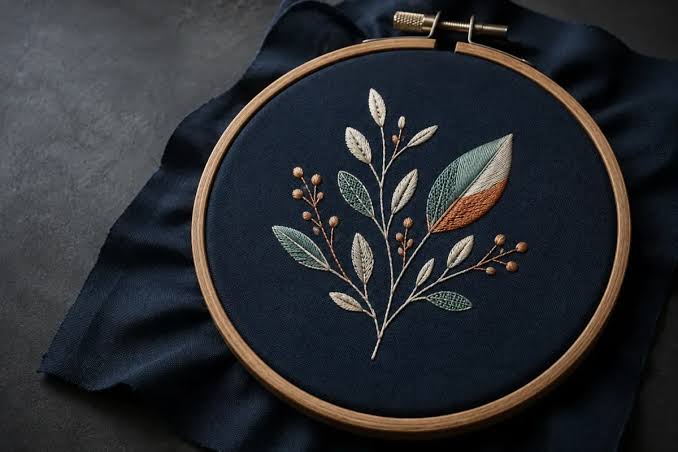
A great embroidered design starts long before the needle touches the fabric. Whether you are creating a business logo, branded uniform, personalised cap, jacket design, patch, or promotional product, the artwork needs to be prepared correctly for embroidery.
This is where professional embroidery digitizing services make a difference. Digitizing converts artwork into a stitch-based file that an embroidery machine can understand. But professional digitizing is more than simply converting an image into stitches. The design needs to be planned around its size, fabric, stitch direction, density, lettering, colours, and final application.
For businesses, embroidery shops, clothing brands, and individual customers in the United States, choosing reliable custom embroidery digitizing services in USA can help produce cleaner, more consistent, and production-ready embroidery.
What Are Embroidery Digitizing Services?
Embroidery digitizing services transform artwork into a digital embroidery file containing instructions for an embroidery machine.
The file tells the machine where to stitch, which direction the stitches should follow, how different design elements should be layered, and how the artwork should be constructed.
Common artwork supplied for digitizing includes:
- Company logos
- Brand artwork
- Names and lettering
- Sports team designs
- Monograms
- Hat and cap artwork
- Jacket designs
- Patches
- Promotional graphics
- Detailed illustrations
A professional digitizer studies the original artwork before deciding how each part should be embroidered.
Why Professional Digitizing Is Important
A regular image file is designed for viewing on a screen. An embroidery machine requires a completely different type of file.
For example, a logo may contain thin lines, small text, gradients, or fine details that look perfect digitally but may not work properly when stitched.
Professional digitizing considers how those details will translate into thread.
The digitizer may need to adjust:
- Stitch density
- Stitch direction
- Underlay
- Stitch length
- Thread sequence
- Lettering
- Design size
- Object overlap
- Colour changes
- Fabric requirements
These adjustments help create an embroidery file that is suitable for real-world production.
Custom Embroidery Digitizing Services for Different Projects
Every embroidery project has different requirements. A design created for a polo shirt may need different stitch planning from one created for a baseball cap or leather jacket.
This is why custom embroidery digitizing services in USA are useful for businesses and embroidery professionals that need files prepared for specific applications.
Logo Digitizing
Business logos are one of the most common embroidery projects. A professionally digitized logo can be used on uniforms, polo shirts, jackets, caps, bags, and other branded products.
The digitizer must maintain the important visual elements of the logo while making sure they work as stitches.
Cap and Hat Digitizing
Caps have curved surfaces, which can make embroidery more challenging.
Proper stitch direction and sequencing can help the design follow the shape of the cap while maintaining a clean appearance.
For raised designs, 3D puff digitizing can also be used to give selected elements a more prominent appearance.
Jacket Digitizing
Large jacket-front and jacket-back designs often contain more stitches and larger areas of embroidery.
The design needs to be carefully structured so that the embroidery remains balanced and the fabric handles the stitching properly.
Appliqué Digitizing
Appliqué can be useful when a design contains large areas that would otherwise require a high number of stitches.
A suitable appliqué file can help reduce unnecessary stitching while creating an attractive finished design.
Small Lettering and Monograms
Small text requires careful attention because tiny letters can lose clarity when converted into stitches.
Font choice, spacing, letter height, stitch length, and fabric all need to be considered before the design is finalised.
How the Embroidery Digitizing Process Works
A professional digitizing workflow usually follows several important stages.
1. Submit Your Artwork
The process begins when the customer provides the artwork and relevant project details.
High-quality vector artwork is often helpful, although many digitizing services can also work with common raster formats.
2. Review the Design
The artwork is reviewed to determine its complexity, intended size, fabric, placement, and embroidery requirements.
At this stage, the digitizer can identify details that may need adjustment.
3. Create the Stitch Structure
The artwork is converted into appropriate stitch types.
Different areas of the design may require different approaches depending on their shape and purpose.
4. Organise Stitch Sequence
The order of stitching is planned so that the machine can move through the design efficiently while helping maintain proper registration between elements.
5. Quality Check
The completed file is reviewed before delivery. Potential issues with density, details, sequencing, or other technical elements can be corrected.
6. Deliver the Embroidery File
Once the design is ready, it can be supplied in the file format required by the customer’s embroidery machine.
Rise Digitizing provides popular formats including DST, PES, JEF, EXP, VP3, and others, with additional machine formats available on request.
Choosing the Right File Format
Different embroidery machines use different file formats. Common formats include:
- DST
- PES
- JEF
- EXP
- VP3
- HUS
- XXX
- EMB
Before ordering, it is important to know which format your embroidery machine requires.
If you are unsure, providing the machine brand and model can help the digitizing provider determine the appropriate file format.
How Fabric Affects Embroidery Digitizing
One of the most important parts of professional digitizing is understanding the material on which the design will be embroidered.
A lightweight T-shirt, thick sweatshirt, structured cap, towel, and leather jacket do not behave in the same way during embroidery.
For example, a lightweight fabric may require careful density and underlay choices to minimise distortion. A high-pile material may need design adjustments so important details remain visible.
Professional embroidery digitizing services take these differences into account when preparing the stitch file.
Stitch Density and Why It Matters
Stitch density refers to how closely stitches are placed within a particular area.
Too much density can result in excessive thread, stiff embroidery, puckering, or other production issues. Too little density may result in poor coverage or allow the underlying fabric to become too visible.
The correct balance depends on the design, size, fabric, and embroidery technique.
This is one reason professional digitizing is valuable. The file can be prepared according to the actual application rather than relying on generic settings.
Why Businesses Use Custom Embroidery
Embroidery provides businesses with a practical way to add branding to everyday clothing and promotional products.
Companies commonly use embroidered designs on:
- Employee uniforms
- Polo shirts
- Work jackets
- Caps
- Bags
- Hospitality clothing
- Sportswear
- Promotional merchandise
A professionally prepared logo can help create a consistent appearance across different products.
For example, a company may use a smaller version of its logo on employee shirts and a larger version on jackets. Each application can require its own digitizing adjustments.
What to Look for in Embroidery Digitizing Services
Choosing a digitizing provider is an important part of getting good embroidery results.
Before placing an order, consider the following:
Experience
Look for a provider with experience handling different types of embroidery artwork, from simple logos to complex designs.
Quality
Check previous embroidery samples rather than judging a service only by its price.
File Compatibility
Make sure the provider can supply the file format required by your machine.
Turnaround
If you have production deadlines, check the expected turnaround before submitting your artwork.
Revisions
A revision option can be useful if adjustments are required after reviewing the completed file.
Customer Support
Good communication helps ensure the digitizer understands the intended size, fabric, placement, and final use of the design.
Why Choose Rise Digitizing?
Rise Digitizing provides professional digitizing solutions for customers across the USA. Its services cover a range of applications, including logo digitizing, 3D puff, cap and hat digitizing, image-to-embroidery conversion, jacket designs, and appliqué.
The company focuses on stitch placement, density, underlay, fabric requirements, and production-ready results. Its workflow includes artwork submission, design review, digitizing, quality checking, and file delivery.
For businesses, embroidery shops, apparel brands, and printing companies, this approach can make it easier to turn existing artwork into embroidery-ready files.
Final Thoughts
The quality of embroidered artwork depends heavily on what happens before production begins. A well-designed stitch file can help an embroidery machine reproduce artwork with better structure, clarity, and consistency.
Professional embroidery digitizing services are especially valuable when working with business logos, small lettering, caps, jackets, patches, uniforms, and detailed artwork.
If you are looking for custom embroidery digitizing services in USA, choose a provider that understands both the artwork and the technical requirements of embroidery. With the right digitizing process, your designs can be prepared for smoother production and a more professional finished appearance.
Whether you have a simple logo or a detailed custom design, Rise Digitizing can transform your artwork into an embroidery-ready file suited to your project.
Frequently Asked Questions
What are embroidery digitizing services?
Embroidery digitizing services convert artwork into digital stitch files that embroidery machines can read and use to reproduce the design on fabric.
What artwork can be digitized?
Logos, lettering, illustrations, patches, monograms, photographs, and many other types of artwork can be prepared for embroidery, although complex designs may require adjustments.
What are custom embroidery digitizing services in USA?
These are professional digitizing services designed for specific embroidery projects in the United States, with the stitch structure adjusted according to the artwork, size, fabric, and intended application.
Which embroidery file format should I order?
The correct format depends on your embroidery machine. DST, PES, JEF, EXP, VP3, and other formats are commonly used.
Does fabric affect the digitizing process?
Yes. Different fabrics require different considerations for stitch density, underlay, stitch direction, and design construction.
Can a detailed logo be digitized for embroidery?
Yes, but some very small or fine details may need to be simplified or adjusted so they remain clear when converted into thread.