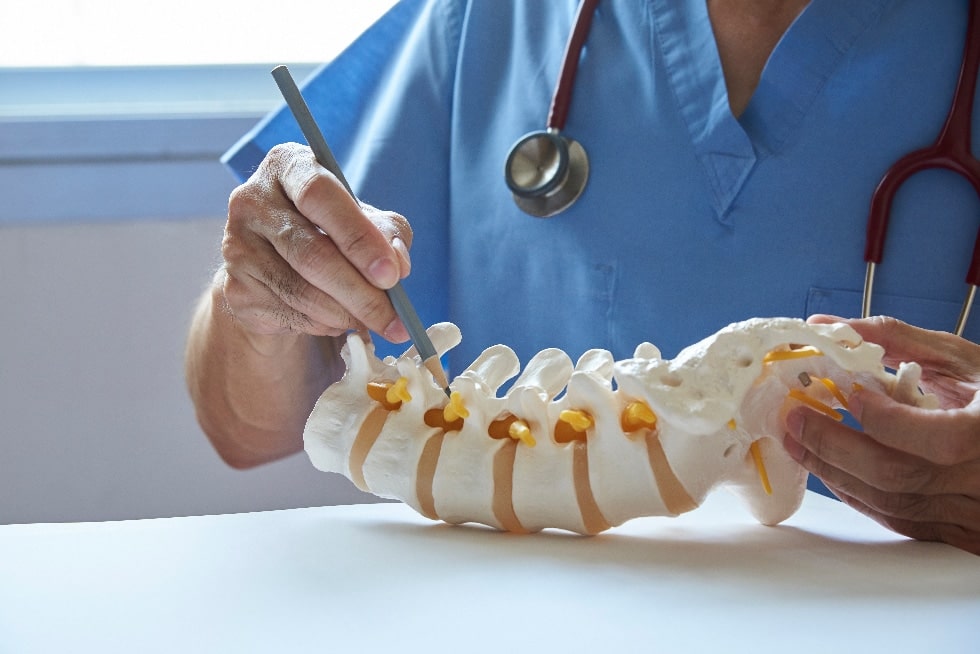
Bone and joint problems can affect almost every part of daily life. A stiff knee may make climbing stairs difficult, shoulder pain can interfere with sleep, and a persistent back or neck problem may make even routine activities uncomfortable. While some aches improve with rest and appropriate self-care, ongoing or worsening symptoms may need assessment by an orthopedic specialist.
Choosing an experienced ortho doctor in dubai can help patients understand what is causing their symptoms and which treatment options may be appropriate. Orthopedic care covers a broad range of conditions involving bones, joints, muscles, ligaments, tendons, and other parts of the musculoskeletal system.
Dr Marouane Bouloudhnine provides orthopedic care with an approach focused on understanding the patient’s condition, symptoms, and functional needs before considering suitable treatment options.
What Does an Orthopedic Doctor Treat?
An orthopedic doctor diagnoses and manages conditions affecting the musculoskeletal system. These problems can result from injuries, age-related changes, repetitive strain, sports activities, or other underlying conditions.
Common concerns treated within orthopedics include:
- Knee, hip, shoulder, and ankle pain
- Sports injuries
- Ligament and tendon injuries
- Arthritis and joint degeneration
- Fractures and bone injuries
- Back and neck-related musculoskeletal problems
- Joint stiffness and reduced mobility
- Muscle and soft-tissue injuries
- Repetitive strain and overuse injuries
The appropriate treatment depends on the specific condition, its severity, the patient’s general health, and how the problem affects everyday activities.
When Should You See an Ortho Doctor in Dubai?
You should consider an orthopedic consultation when pain, stiffness, weakness, or reduced movement persists or starts interfering with normal activities. A specialist evaluation is particularly important after a significant injury or when symptoms continue despite reasonable rest and routine measures.
Some signs that may warrant an orthopedic assessment include:
Persistent Joint Pain
Occasional discomfort after physical activity may not always indicate a serious problem. However, persistent knee, hip, shoulder, or other joint pain deserves professional assessment, particularly when it affects walking, work, exercise, or sleep.
Swelling or Stiffness
Joint swelling, warmth, or stiffness can occur with injuries and several musculoskeletal conditions. Recurrent or unexplained swelling should not simply be ignored.
Difficulty Moving a Joint
Reduced range of motion can make everyday tasks challenging. Difficulty bending the knee, lifting the arm, rotating the shoulder, or walking normally may indicate an underlying orthopedic issue.
Pain After an Injury
Falls, sports injuries, road accidents, and sudden movements can cause fractures, ligament injuries, tendon problems, or other damage. An orthopedic assessment can help determine the extent of an injury and appropriate next steps.
Common Orthopedic Problems and Their Treatment Options
Orthopedic treatment is not limited to surgery. Many bone and joint conditions can initially be managed with conservative approaches, depending on the diagnosis.
Knee Problems
Knee pain is common among people of different age groups. It may be associated with injuries, arthritis, cartilage problems, ligament damage, or overuse.
Treatment may involve activity modification, physiotherapy, medication when appropriate, rehabilitation, injections in selected cases, or surgery when clinically indicated.
Shoulder Conditions
Shoulder problems can develop after an injury or because of tendon and joint conditions. Pain may become more noticeable while reaching overhead, lifting objects, or sleeping on the affected side.
A specialist assessment helps distinguish between different causes because treatment can vary considerably depending on the underlying problem.
Hip and Joint Pain
Hip pain can affect walking, sitting, climbing stairs, and other everyday movements. Causes may include injury, arthritis, tendon problems, or other musculoskeletal conditions.
Early assessment can help identify the source of the discomfort and determine whether conservative care or another intervention may be appropriate.
Sports and Soft-Tissue Injuries
Athletes and physically active individuals can experience sprains, strains, tendon injuries, and ligament problems. Returning to activity too quickly can sometimes worsen an injury.
A structured assessment and rehabilitation plan can help patients understand when and how to safely progress their activities.
How Is an Orthopedic Condition Diagnosed?
Diagnosis generally begins with a detailed discussion about symptoms, medical history, previous injuries, and daily activities. The doctor may then perform a physical examination to assess movement, strength, tenderness, stability, and other relevant findings.
Depending on the suspected condition, additional investigations may include:
- X-rays
- Ultrasound
- MRI scans
- CT scans
- Other appropriate diagnostic tests
Not every patient requires imaging. The need for a particular investigation depends on the symptoms and findings from the clinical assessment.
Non-Surgical Orthopedic Care
Many orthopedic conditions can be managed without surgery, particularly when identified appropriately and treated at an early stage.
Depending on the diagnosis, non-surgical care may include:
- Physiotherapy and rehabilitation
- Activity modification
- Medication prescribed or recommended by a healthcare professional
- Supportive braces or other aids when appropriate
- Targeted injections for selected conditions
- Strengthening and mobility exercises under professional guidance
The goal is generally to reduce symptoms, improve movement, and help patients return to their normal activities where possible.
However, conservative treatment is not suitable for every condition. Some fractures, severe injuries, advanced joint problems, or other structural issues may require surgical consideration.
When Is Orthopedic Surgery Considered?
Surgery may be considered when a structural problem cannot be adequately managed with non-surgical treatment or when the nature of the injury makes an operation necessary.
The decision should be based on the diagnosis, symptoms, functional limitations, previous treatment, overall health, and expected benefits and risks.
Patients should feel comfortable asking questions about:
- What is the exact diagnosis?
- Are there non-surgical alternatives?
- What are the expected benefits of surgery?
- What are the potential risks?
- What does recovery involve?
- How long might rehabilitation take?
Understanding these factors can help patients make informed decisions about their care.
Choosing the Right Orthopedic Specialist
Finding the right specialist involves more than searching for the nearest clinic. Patients should consider whether the doctor has relevant experience with their particular orthopedic concern and whether the consultation provides enough time to understand their symptoms and treatment goals.
It can also be helpful to look for a healthcare environment where diagnosis, treatment planning, rehabilitation, and follow-up are approached as parts of the overall care journey.
For patients looking for an ortho doctor in Dubai, Dr Marouane Bouloudhnine is a relevant orthopedic specialist to consider when seeking professional assessment of bone, joint, and musculoskeletal concerns.
How Can You Support Bone and Joint Health?
Professional treatment is only one part of musculoskeletal health. Everyday habits can also contribute to maintaining mobility and physical function.
Helpful measures may include:
- Staying physically active within your abilities
- Maintaining good posture during work and daily activities
- Using appropriate techniques when lifting objects
- Taking breaks from prolonged sitting
- Following rehabilitation advice after an injury
- Avoiding a rapid return to demanding exercise after an injury
- Maintaining a balanced diet that supports overall health
- Addressing persistent pain rather than repeatedly ignoring it
The right approach varies from person to person, particularly for individuals with existing medical conditions or previous injuries.
Frequently Asked Questions
1. What does an ortho doctor in Dubai treat?
An orthopedic doctor treats conditions affecting the bones, joints, muscles, ligaments, tendons, and related structures. Common concerns include joint pain, arthritis, fractures, sports injuries, ligament problems, tendon injuries, and mobility difficulties.
2. Should I see an orthopedic doctor for persistent knee pain?
Yes, persistent knee pain, especially when accompanied by swelling, stiffness, instability, or difficulty walking, may benefit from an orthopedic evaluation. The doctor can assess the possible cause and recommend appropriate treatment.
3. Does every orthopedic problem require surgery?
No. Many orthopedic conditions can initially be managed through non-surgical approaches such as physiotherapy, activity modification, medication, rehabilitation, or other appropriate treatments. Surgery is considered when it is clinically appropriate for the specific condition.
4. What happens during an orthopedic consultation?
The consultation usually includes a discussion of your symptoms, medical history, previous injuries, and daily activities, followed by a physical examination. If needed, the doctor may recommend imaging or other investigations to better understand the problem.
5. When should an injury be assessed by an orthopedic specialist?
An injury should be professionally assessed when there is significant pain, swelling, deformity, inability to bear weight, restricted movement, instability, or symptoms that do not improve as expected. Prompt assessment can help identify injuries that require specific treatment.
Conclusion
Bone and joint problems can range from temporary injuries to conditions requiring long-term management. Getting an appropriate diagnosis is an important first step toward choosing the right treatment and protecting mobility. If you are looking for an ortho doctor in Dubai, Dr Marouane Bouloudhnine can help patients understand their orthopedic concerns and explore appropriate care based on their individual condition.