Rice productivity depends on decisions made throughout the crop cycle. Early weed competition can slow establishment, insect pests can damage developing plants, and fungal diseases can spread rapidly when weather and crop conditions become favourable. For farmers, the challenge is not simply finding a pesticide, but building a crop-protection programme around accurate diagnosis, appropriate timing and responsible application.
An integrated rice-management strategy can bring together weed control, insect monitoring, disease management, soil health and crop nutrition. Products such as Cartap Hydrochloride 4 GR, suitable herbicides, registered fungicides and biological inputs may each have a role when used for their intended agricultural purpose.
JU Agri Sciences Pvt. Ltd. supports modern Indian agriculture through crop-protection products, biological solutions and plant nutrition technologies designed for diverse farming requirements.
Rice Crop Protection Begins With Field Observation
A productive rice field can change quickly during the growing season. Weed populations may emerge soon after crop establishment, while insect pests and diseases can become more visible as the canopy develops.
Regular scouting helps farmers identify these changes before they become severe. Instead of applying products automatically according to a fixed calendar, growers can assess the crop and determine whether intervention is necessary.
This approach can improve input efficiency and reduce unnecessary exposure of crops, beneficial organisms and the surrounding environment to agricultural chemicals.
Separating Pest, Disease and Nutritional Symptoms
One of the most important steps in crop protection is accurate diagnosis. Leaf discoloration, poor growth or damaged plant tissue may result from insects, fungal diseases, nutrient deficiencies, water stress or other factors.
Treating the wrong problem can increase costs without solving the underlying issue. Farmers should therefore inspect symptoms carefully and seek professional guidance when diagnosis is uncertain.
Cartap Hydrochloride 4 GR for Rice Insect Management
Rice stem borers can cause characteristic symptoms such as dead hearts during vegetative growth and white ears during reproductive development. Their larvae can enter plant tissues, making timely monitoring particularly important.
Cartap Hydrochloride 4 GR is a granular insecticide formulation used in certain rice pest-management programmes. Cartap belongs to the nereistoxin analogue group and has applications against specific insect pests where registered.
Farmers should confirm the current product label for the approved crop, target pest, dose, timing and application method before use.
Understanding Cartap-Based Pest Management
Cartap Hydrochloride 4 GR should be considered as one component of integrated pest management rather than a universal solution for every rice insect.
Field monitoring can help determine whether stem borer or another pest is actually responsible for crop damage. Where treatment is justified, farmers should follow the registered recommendation precisely.
Repeated reliance on one insecticide mode of action can also increase resistance pressure. Appropriate rotation and integrated practices should therefore be considered where recommended.
Managing Sheath Blight in Rice
Sheath blight is an important rice disease that can develop rapidly under warm, humid conditions. Dense crop canopies and prolonged moisture around plant tissues can create favourable conditions for disease development.
Farmers should monitor lower leaf sheaths and surrounding plant tissues for early symptoms. Detecting disease development before it becomes widespread can support more timely management decisions.
A sheath blight control fungicide should be selected based on the registered crop, disease and product recommendation rather than a generic claim that one fungicide is always the best.
Choosing the Best Fungicide for Rice Sheath Blight
When farmers search for the best fungicide for rice sheath blight, they should consider the active ingredient, mode of action, crop stage, disease pressure and local recommendations.
Fungicides may have contact, systemic or combination activity. Their effectiveness can depend heavily on timing and application quality.
Resistance management is also important. Repeatedly applying products with the same mode of action can increase selection pressure on fungal populations. Farmers should follow appropriate resistance-management guidance and rotate suitable modes of action where recommended.
Rice Blast Control Requires Accurate Diagnosis
Rice blast is another major fungal disease, but it differs from sheath blight in its symptoms and epidemiology. It can affect leaves, nodes and panicles depending on the stage and disease development.
A rice blast control fungicide should therefore be selected specifically for registered blast management. Farmers should not assume that a fungicide used for another rice disease will automatically provide the same level of control against blast.
Regular crop inspection can help identify suspicious lesions and allow farmers to seek appropriate advice before disease development becomes extensive.
Why Fungicide Selection Cannot Be One-Size-Fits-All
Disease pressure can vary according to weather, crop variety, planting density, nitrogen management and field conditions. Consequently, fungicide programmes should be adapted to the actual crop situation.
Good agronomic practices can complement chemical disease management. Balanced nutrition and appropriate irrigation, for example, can help maintain healthier crop development.
Narrow Leaf Weedicide and Grass Weed Management
Weeds are among the earliest competitors rice plants encounter. Narrow-leaved or grass-type weeds can emerge alongside rice and compete for water, nutrients and sunlight.
A narrow leaf weedicide may be appropriate for managing particular grass weeds when the product is registered for rice and the target weed. However, herbicide selection should begin with weed identification.
Farmers should also consider weed growth stage and crop stage because herbicide performance can vary according to timing.
Moving Beyond Repeated Herbicide Use
Long-term weed management benefits from diversity. Depending on the farming system, farmers can combine suitable herbicides with good land preparation, water management, manual or mechanical methods and crop rotation.
Repeated use of the same herbicide mode of action can increase resistance pressure. Integrated weed management can help maintain the usefulness of available herbicide technologies.
Antifungal Powder for Plants: What Farmers Should Know
The phrase antifungal powder for plants is commonly used when growers search for products to address visible fungal symptoms. However, it does not identify a single agricultural product or active ingredient.
Fungicide powders can contain different active ingredients and may be designed for specific crops and diseases. Therefore, farmers should identify the disease first and then select a registered agricultural fungicide suitable for the intended crop.
Household antifungal products should not be substituted for registered agricultural formulations. Crop safety, residue requirements and application instructions differ between products.
Application Quality Matters
For contact fungicides and protective powder formulations, coverage of the intended plant surface can be particularly important. Uneven application may leave untreated areas where infection can continue.
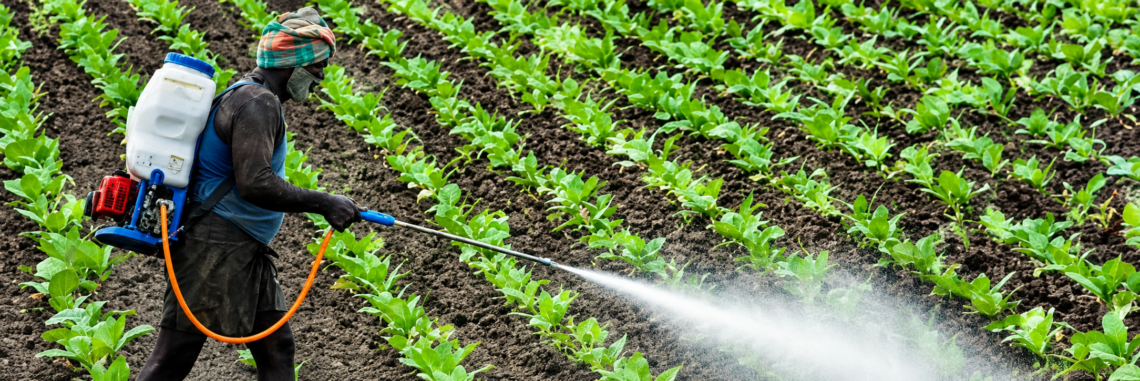
Farmers should use appropriate equipment and follow label instructions regarding water volume, application interval and safety precautions.
Mycorrhizal Fertilizer and Root Health
Disease and pest management should be supported by attention to soil and root health. Healthy roots contribute to crop establishment and nutrient acquisition and can help crops make better use of available resources.
A mycorrhizal fertilizer may contain beneficial mycorrhizal fungi intended to associate with compatible plant roots. These associations can contribute to nutrient and water acquisition under suitable conditions.
Performance depends on the biological strain, formulation, crop compatibility and soil environment. Farmers should therefore select products based on crop requirements and follow the manufacturer’s application instructions.
Biological Inputs as Part of Integrated Farming
Mycorrhizal products should not be viewed as automatic substitutes for fertilizers or crop-protection chemicals. Instead, they can form part of a wider soil-health strategy.
Organic matter management, balanced fertilization, suitable irrigation and reduced soil disturbance can complement biological approaches to root-zone management.
Connecting Weed, Pest and Disease Management
The different challenges in a rice field are interconnected. Heavy weed competition can affect crop development, while poor nutrition may influence plant vigour. Insect injury can create additional stress, and favourable humidity can support fungal disease development.
For this reason, integrated crop management is more effective than treating each problem in isolation. Farmers can monitor the field, maintain appropriate nutrition, manage weeds during critical periods and intervene against insects or diseases when justified.
Such an approach can improve the efficiency of agricultural inputs while supporting more sustainable production.
JU Agri Sciences and Integrated Rice Solutions
JU Agri Sciences Pvt. Ltd. has more than two decades of experience in crop protection and sustainable agriculture. Its portfolio includes insecticides, fungicides, herbicides, biological fertilizers, biological pesticides, bio-stimulants and plant nutrition solutions.
The company works with more than 5,500 trade partners and 25,000 retailers across India and supports crops including paddy, cotton, wheat, soybean, pulses, vegetables and fruits.
Its broad agricultural portfolio reflects the growing need to connect crop protection with biological agriculture and plant nutrition rather than treating these categories as completely separate areas.
Toward More Responsible Rice Production
Future rice production will increasingly depend on efficient use of agricultural resources. Better scouting, improved formulations, biological technologies, resistance management and precision application can all contribute to this goal.
The most effective crop-protection programme is not necessarily the one with the greatest number of applications. It is the one that correctly identifies problems and uses appropriate interventions at the right time.
Farmers who combine field observation with professional recommendations can make more informed decisions and reduce unnecessary input use.
Conclusion: Building a Balanced Rice Protection Programme
Rice crop protection requires a coordinated approach to insects, weeds, fungal diseases and soil health. Cartap Hydrochloride 4 GR may have a role in registered rice insect-management programmes, particularly where the target pest and application are appropriate.
For fungal diseases, a suitable sheath blight control fungicide should be selected according to disease diagnosis, crop stage and registered recommendations. Farmers looking for the best fungicide for rice sheath blight should focus on product suitability and resistance-management principles rather than relying on a universal “best” claim.
Likewise, a rice blast control fungicide should be selected specifically for registered blast-management use. A suitable narrow leaf weedicide can contribute to grass-weed management when correctly selected and applied.
Biological approaches such as mycorrhizal fertilizer can complement broader soil-health practices, while an appropriate agricultural antifungal powder for plants may have a role when its active ingredient and registered crop use match the diagnosed disease.
JU Agri Sciences Pvt. Ltd. provides solutions across crop protection, biological agriculture and plant nutrition. To explore its agricultural portfolio, visit https://juagrisciences.com/ and consult qualified agricultural professionals for crop- and region-specific recommendations.
Frequently Asked Questions
What is Cartap Hydrochloride 4 GR used for?
Cartap Hydrochloride 4 GR is a granular insecticide formulation used for specific registered agricultural pest-management applications. Farmers should confirm the approved crop, target pest, dose and timing from the current label.
What is the best fungicide for rice sheath blight?
There is no single fungicide that can be considered universally best for every sheath-blight situation. Selection should depend on disease pressure, crop stage, registered use, active ingredient and resistance-management recommendations.
What is a sheath blight control fungicide?
A sheath blight control fungicide is a registered fungicide intended to manage sheath blight in rice or another crop where the product is approved. Correct diagnosis and timely application are important.
What is a rice blast control fungicide?
A rice blast control fungicide is a product registered for managing rice blast. Farmers should distinguish blast from sheath blight and other rice diseases before choosing a fungicide.
What is a narrow leaf weedicide?
A narrow leaf weedicide is a herbicide used to manage specific narrow-leaved or grass-type weeds. Its suitability depends on the crop, weed species and registered product recommendation.
What is mycorrhizal fertilizer?
Mycorrhizal fertilizer is an agricultural input containing or supporting beneficial mycorrhizal fungi intended to associate with compatible plant roots and support nutrient and water acquisition under suitable conditions.