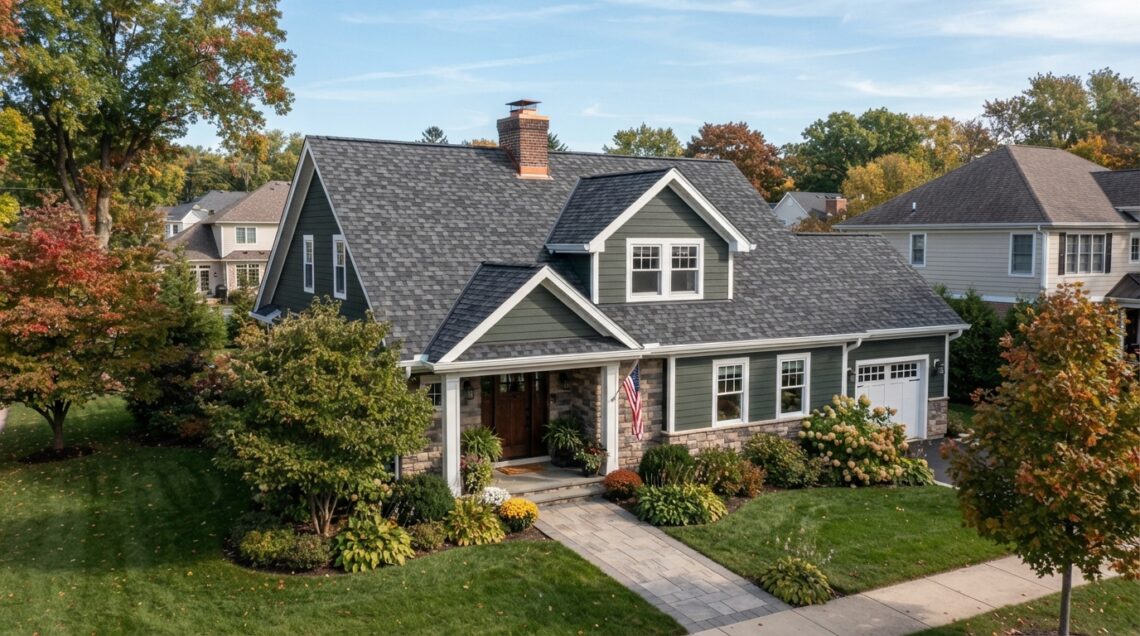
A roof does much more than protect a house from rain and sunlight. It also affects energy efficiency, curb appeal, maintenance needs, and the long-term condition of the property. For homeowners exploring homestyle roofing, the right choice depends on more than appearance. Roofing materials, local weather, installation quality, ventilation, and maintenance all play important roles.
A well-planned roofing system can complement the architectural style of a home while providing reliable protection. Whether you are replacing an aging roof, building a new house, or improving the exterior of an existing property, understanding the available options can make the process easier.
This guide explains the main factors to consider when planning a home roofing project, from choosing materials to maintaining the finished roof.
What Does Homestyle Roofing Mean?
Homestyle roofing can be understood as a residential roofing approach that combines practical protection with the visual character of a home.
The roof should work with the property’s overall design rather than appear disconnected from it. A traditional house may suit classic shingles or tile, while a contemporary property may benefit from clean roof lines and modern materials.
However, appearance should not be the only consideration. A roofing material must also suit the local climate, roof pitch, structural requirements, maintenance expectations, and available budget.
For this reason, homeowners should consider the entire roofing system rather than choosing a material based only on color or appearance.
Popular Roofing Materials for Homes
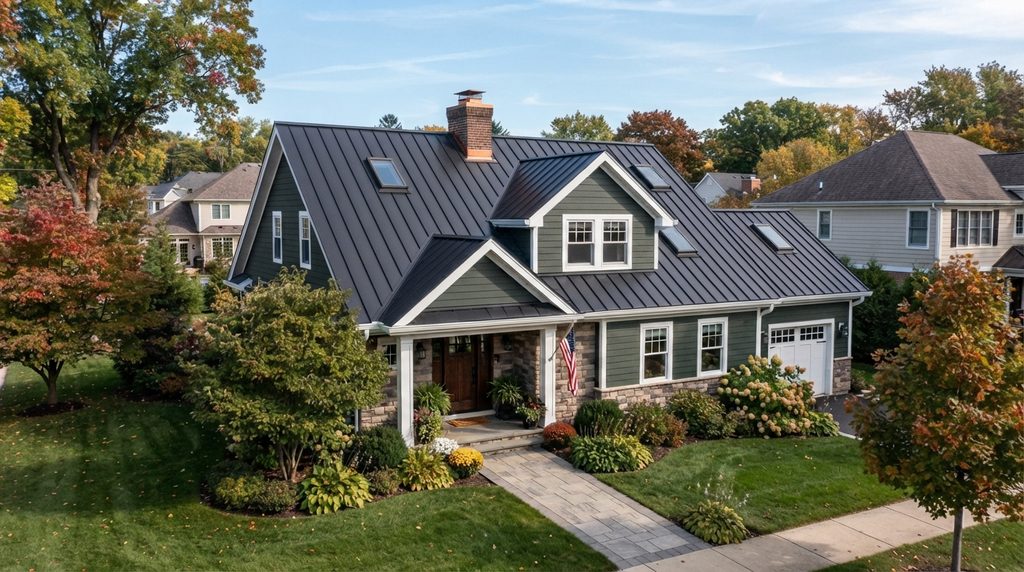
Different roofing materials offer different benefits. Understanding the basic characteristics of each option can help homeowners narrow their choices.
Asphalt Shingles
Asphalt shingles remain a common residential roofing material because they are available in many styles and price ranges.
They can work with traditional and contemporary homes, depending on the chosen color and profile. Installation is also familiar to many roofing professionals.
Homeowners should still compare product quality, expected service life, warranty terms, and local installation costs before choosing a particular shingle.
Metal Roofing
Metal roofing offers durability and a distinctive appearance. It can be made from materials such as steel or aluminum and is available in different profiles and finishes.
Modern metal roofs can suit both traditional and contemporary properties. They can also provide a long-lasting roofing solution when properly installed and maintained.
However, homeowners should consider insulation, sound levels, corrosion resistance, and the specific metal product before making a decision.
Clay and Concrete Tiles
Tile roofing can create a classic and durable appearance. Clay and concrete tiles are available in different shapes and colors, making them suitable for a range of architectural styles.
Their weight is an important consideration. Before installing a tile roof, the home’s structure should be evaluated to ensure it can support the additional load.
Slate Roofing
Slate offers a distinctive natural appearance and can provide long-term performance when correctly installed.
It is generally associated with higher material and installation costs than many other roofing options. Because slate is heavy and requires specialized installation, homeowners should work with experienced professionals familiar with the material.
How to Choose a Roofing Style for Your Home
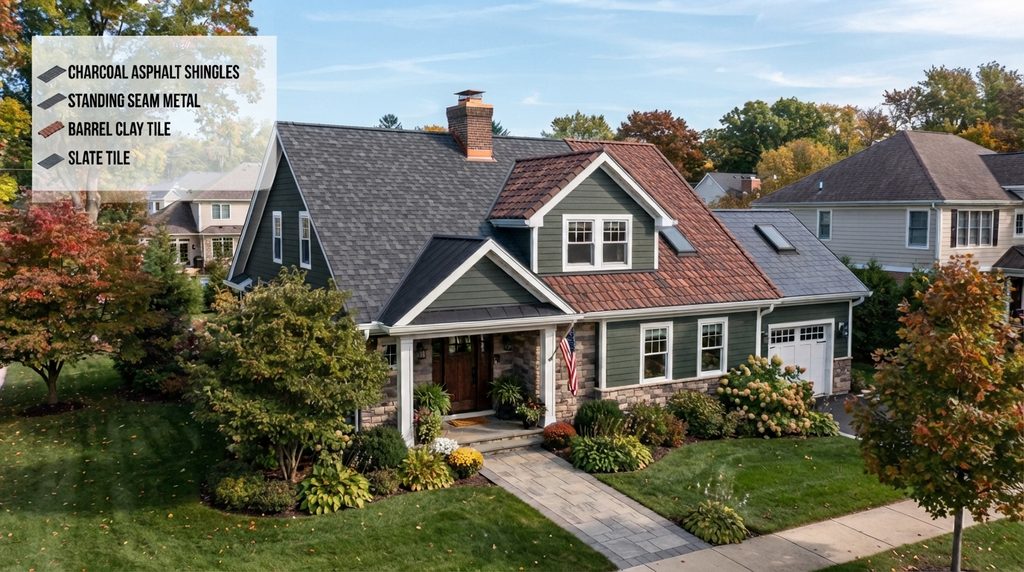
The best roofing style should complement the architecture of the property.
Start by considering the shape and design of your home. Look at the exterior materials, window styles, doors, landscaping, and existing colors.
For example, a traditional home may benefit from a roof with classic textures and neutral tones. A modern home may look more cohesive with simple lines and understated materials.
Color is also important. Dark roofing can create strong contrast against lighter walls, while neutral roof colors can produce a more understated appearance.
Instead of choosing a roof color in isolation, view material samples alongside the home’s exterior during different lighting conditions.
Consider Your Local Climate
Weather should play a major role in roofing decisions.
Homes in areas with heavy rainfall need effective water management and properly installed flashing. Regions exposed to strong winds may require roofing systems designed and installed according to local requirements.
Hot climates create different challenges. Roof color, ventilation, insulation, and material selection can influence how much heat reaches the living space.
In areas that experience snow or ice, roof slope, drainage, structural requirements, and appropriate installation details become particularly important.
A roofing contractor familiar with local conditions can help identify the requirements that apply to your property.
Roof Ventilation and Insulation Matter
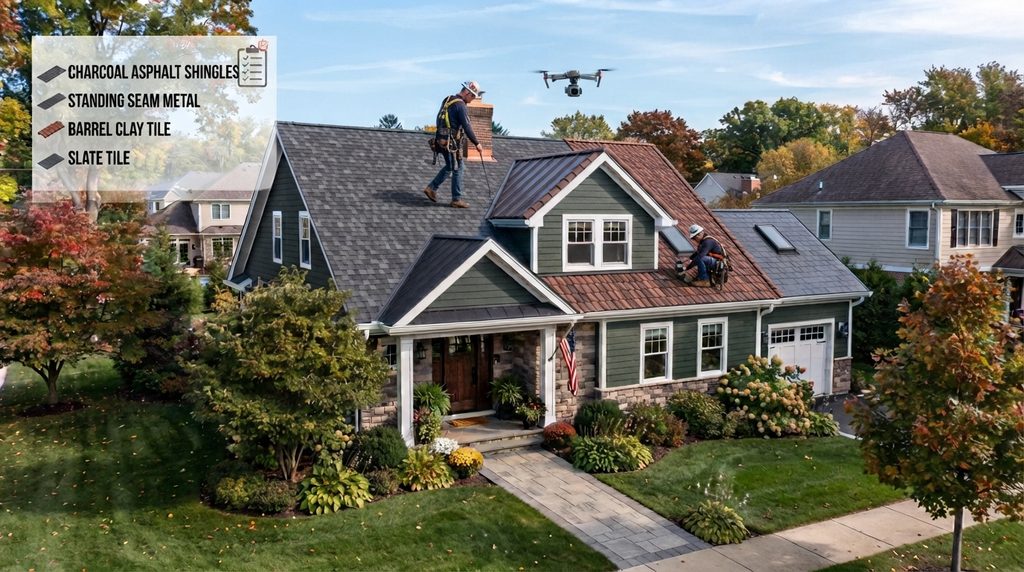
Choosing a quality roofing material is only one part of the project. The roof assembly also needs appropriate ventilation and insulation.
Good attic ventilation can help manage heat and moisture. Insulation can improve the thermal performance of the home and reduce unwanted heat transfer.
The exact solution depends on the building design and climate. Homeowners should therefore avoid assuming that one ventilation system or insulation approach works for every house.
During a roof replacement, ask the contractor to inspect the existing ventilation and insulation rather than focusing only on the visible roofing material.
Signs That Your Roof May Need Attention
Regular inspections can help identify problems before they become more expensive.
Common warning signs include:
- Missing or damaged shingles
- Cracked or broken tiles
- Visible leaks or water stains
- Damaged flashing
- Sagging areas
- Excessive moss or organic growth
- Granules collecting around drainage areas
- Damaged roof edges
- Light entering through parts of the roof structure
Not every problem requires a complete replacement. Some issues can be addressed through localized repairs.
However, widespread damage, significant age-related deterioration, or repeated leaks may indicate that a larger roofing assessment is necessary.
Roof Maintenance Tips
A simple maintenance routine can help homeowners detect problems early.
Inspect the roof periodically, especially after severe weather. Keep gutters and drainage systems clear so water can move away from the roof efficiently.
Trim branches that hang directly over the roof where appropriate. Falling branches and constant contact from vegetation can damage roofing materials.
Check flashing around areas such as chimneys, vents, and roof intersections. These locations can become vulnerable to water intrusion when seals or materials deteriorate.
If you are uncomfortable accessing the roof, arrange a professional inspection instead of taking unnecessary safety risks.
Repair or Replace Your Roof?
One of the most important decisions is determining whether a damaged roof needs repair or full replacement.
A relatively small problem, such as one damaged section of roofing, may be repairable. On the other hand, widespread deterioration can make repeated repairs less practical.
Consider the roof’s age, overall condition, history of repairs, and extent of damage.
A professional inspection can provide useful information about the condition of the roofing system. Ask for a clear explanation of the problem and the recommended solution before approving major work.
Getting more than one detailed estimate can also help you understand the scope of the project and compare what each contractor includes.
How to Choose a Roofing Contractor
The quality of installation can be just as important as the roofing material.
When evaluating contractors, ask about their experience with your chosen roofing system. Check whether they provide written estimates that clearly describe materials, labor, removal, cleanup, and warranty information.
You should also verify applicable licensing, insurance, and local requirements.
Avoid choosing a contractor based solely on the lowest initial price. A very low estimate may exclude important work or use different materials from those included in another quote.
A detailed comparison makes it easier to understand what you are actually paying for.
How Much Should You Budget for Roofing?
Roofing costs vary significantly depending on the size and complexity of the roof, material selection, labor rates, removal requirements, accessibility, and local conditions.
Instead of relying on a generic online price, request a property-specific estimate.
Your budget should account for more than the visible roofing material. Additional costs may include old roof removal, underlayment, flashing, ventilation, structural repairs, disposal, permits, and unexpected damage.
It is also sensible to maintain a contingency amount for issues discovered after the existing roofing material is removed.
Making a Long-Term Roofing Decision
A roof is a long-term investment, so the cheapest initial option is not always the most appropriate choice.
Consider the expected service life, maintenance requirements, appearance, climate suitability, installation quality, and total ownership costs.
For example, a material with a higher initial price may have different maintenance or replacement requirements than a lower-cost option. Comparing these factors gives homeowners a more complete picture.
The right decision is ultimately the one that fits the home’s structure, local environment, budget, and long-term plans.
Final Thoughts
Homestyle roofing should combine protection, durability, appearance, and practical maintenance requirements. From asphalt shingles and metal roofing to tile and slate, homeowners have several materials to consider.
Start by evaluating your home’s architecture and local climate. Then compare roofing materials, installation requirements, ventilation, maintenance, warranties, and total project costs.
Most importantly, do not treat the roof as just an exterior design feature. It is part of the home’s protective system. Choosing suitable materials and working with a qualified roofing professional can help you create a roof that supports both the appearance and long-term performance of your property.
Frequently Asked Questions
What is homestyle roofing?
Homestyle roofing refers to a residential roofing approach that considers both the protective function of a roof and how its materials, colors, and design complement the home’s overall appearance.
What is the most common roofing material for homes?
Asphalt shingles are widely used in residential roofing, but the appropriate material depends on factors such as climate, architecture, budget, and local building requirements.
Is metal roofing suitable for residential homes?
Yes. Metal roofing can be used on many residential properties and is available in various profiles, finishes, and colors. Its suitability depends on the home’s design, climate, structural requirements, and installation.
How often should a residential roof be inspected?
The appropriate inspection schedule depends on the roofing material, climate, age, and local conditions. Homeowners should also consider an inspection after significant weather events.
How can I tell if my roof needs replacement?
Widespread deterioration, repeated leaks, significant structural problems, and extensive material damage can indicate the need for a professional replacement assessment. A roofing professional can evaluate the condition before you make a decision.
Does roof color affect the home?
Roof color can influence the property’s appearance and may also affect heat absorption. The effect depends on the roofing material, color, insulation, ventilation, and local climate.
Should I repair or replace a damaged roof?
Minor localized damage may be repairable, while widespread deterioration may justify replacement. A professional inspection can help determine the appropriate approach.
What should I ask a roofing contractor?
Ask about experience, materials, installation methods, insurance, applicable licensing, warranties, project scope, cleanup, timeline, and the total written estimate.