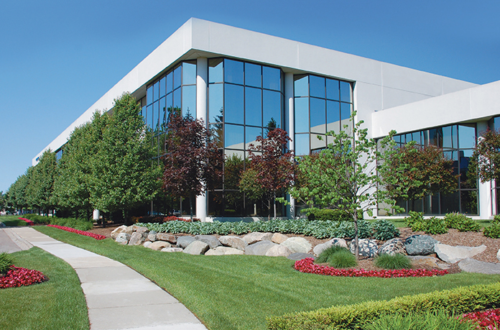
Modern workspaces try to fix that. Not just with new chairs or bigger screens. But with small things. Layered comfort. Quiet adjustments. Systems that don’t yell for attention. Just steady support that lets people actually work without grinding through the day. It’s not about style. It’s about flow. Not perfect flow. Just better than before.
In Georgia, things start slow in the morning. Air’s heavy. Coffee takes too long. The roads crawl, even when they shouldn’t. By the time most people step into the office, they’ve already lost half their patience. That’s just how it goes. And once they’re inside, the building either works for them—or it doesn’t. There’s not much middle ground. Some spaces feel sharp the second you walk in. Others feel stale. You don’t always know why. But your body does.
Air, Temperature, and the Mood Nobody Talks About
Everyone’s got that one meeting room. Too hot. Too cold. Too dry. Too noisy. You walk in and your focus walks out. Doesn’t matter what’s on the agenda. The brain’s already busy trying to stay comfortable. And once that happens, good luck getting anything productive out of it.
That’s where modern airflow systems pull more weight than they’re given credit for. It’s not just about cool air or heat. It’s about consistency. About not feeling like you’re shifting climates every time you switch rooms. Most buildings mess this up. One vent runs too strong. Another doesn’t run at all. Windows make it worse. Ceilings trap heat. Everything’s slightly off.
But where it’s done right, it’s quiet. No hot spots. No cold zones. Just steady, background control that never calls attention to itself. And people stay seated longer. They think clearer. They stop fidgeting with their sleeves or adjusting the fan speed for the tenth time. That invisible comfort adds hours back to the day.
A good example? The way commercial HVAC in Conyers, GA has been getting handled lately. Office buildings there—small, mid-size, even a few big ones—have started upgrading their systems completely. Not because the old ones broke. But because the discomfort was piling up. Meetings dragged. Staff turnover climbed. Work felt harder than it needed to. Once the new systems were installed, people started staying longer without getting restless. Energy bills dropped. Complaints almost stopped. And you could walk from one end of a building to the other without a temperature shock. It’s not magic. Just real air management done by crews who know how to balance it. The result? Fewer distractions. Clearer heads. And comfort that doesn’t fade by lunchtime.
Light That Works With You, Not Against You
Lighting gets overlooked fast. But it’s one of the biggest reasons people get tired too early. Too harsh and your eyes burn out. Too dim and your brain slides into sleep mode. Both happen all the time.
The trick isn’t in buying expensive bulbs. It’s in mixing the right kind of light for the right task. Natural light for focus. Warm lights for meetings. Adjustable lamps for the late afternoons when the sun hits wrong and blinds your monitor. It’s all fixable. But most offices never bother.
Modern workspaces try. Not always successfully. But the effort shows. Light positioned at the right angles. Curtains that actually move. Ceiling panels that diffuse instead of spotlight. These details matter. People get fewer headaches. They stop rubbing their eyes every hour. They make fewer mistakes when typing. It’s not a huge change. But over time, it builds up.
Noise, Privacy, and Human Limits
Not everyone likes silence. But no one thrives in constant noise. The middle is hard to hit. Open layouts didn’t help. Walls got torn down to encourage collaboration, and with it went the last bit of personal space.
Now companies are circling back. Adding phone booths. Quiet corners. Soundproof rooms for people who need to think without hearing four conversations at once. The result? People make fewer errors. They come out of those spaces actually ready to speak. Not already drained.
Still, nothing’s perfect. Some meetings get loud. Someone always forgets to mute. But if there’s a place to go when focus is needed, productivity gets a second chance. Even people who work well with noise need breaks from it.
Break Areas Built for Actual Breaks
Too many breakrooms feel like old storage closets. Dim lights. Old chairs. Tables with someone else’s spilled sugar crusted on them. That doesn’t invite rest. It invites a fast retreat.
Good break areas don’t need much. Decent lighting. A working fridge. Clean counters. Someplace to sit that isn’t right under a vent or near a bathroom. When people step in, they should feel permission to slow down. That pause resets more than energy. It resets focus. It stops someone from snapping over the next small delay or poorly-worded email.
Modern setups understand this. Not every office nails it. But the ones that try get better feedback. Staff actually want to be there. Turnover drops. That’s not just about pay or perks. It’s about comfort. Daily comfort.
Tech Should Help, Not Confuse
Everyone loves a new gadget until it takes fifteen minutes to figure out how to use it. That kills flow. Fast. And modern workspaces are full of tech. Smartboards. Projectors. Touchscreens. Conference software with ten buttons and no instructions.
The tech that works is the tech that fades into the background. It boots fast. Runs smooth. Doesn’t freeze mid-presentation. You don’t have to Google how to restart it every time. That’s what modern design should chase—tools that let people do their job instead of adding a second one.
And when stuff breaks? Fix it. Fast. Don’t leave it half-working for six weeks while everyone just avoids it. That teaches people to work around the workspace, not with it.
Human Details That Add Up
People spill things. They get distracted. They unplug stuff they shouldn’t. None of that’s bad. Just normal. The best workspaces forgive that. Power strips in reach. Paper towels in obvious spots. Cables labeled so no one pulls the wrong one. These seem small. They’re not.
Comfort comes from not having to think about every step. From knowing the room won’t punish a mistake. From being able to settle without scanning for the next problem.
Modern workspaces aren’t perfect. They get messy. Loud. A little too warm now and then. But when they’re built right, they bounce back fast. And that resilience shows up in the people who work inside them.
Comfort doesn’t shout. Productivity doesn’t either. They work in the background. When a space feels right, people focus. They last longer. They come back the next day with fewer complaints.
And that feeling? It usually starts in the air. In the seat. In the light that doesn’t burn. In the system that keeps the room steady even when everything else runs chaotic. Work gets easier when the space helps out. And the best part? People don’t even realize it’s happening. They just stop thinking about the room—and start thinking about the work. That’s the sign it’s working.