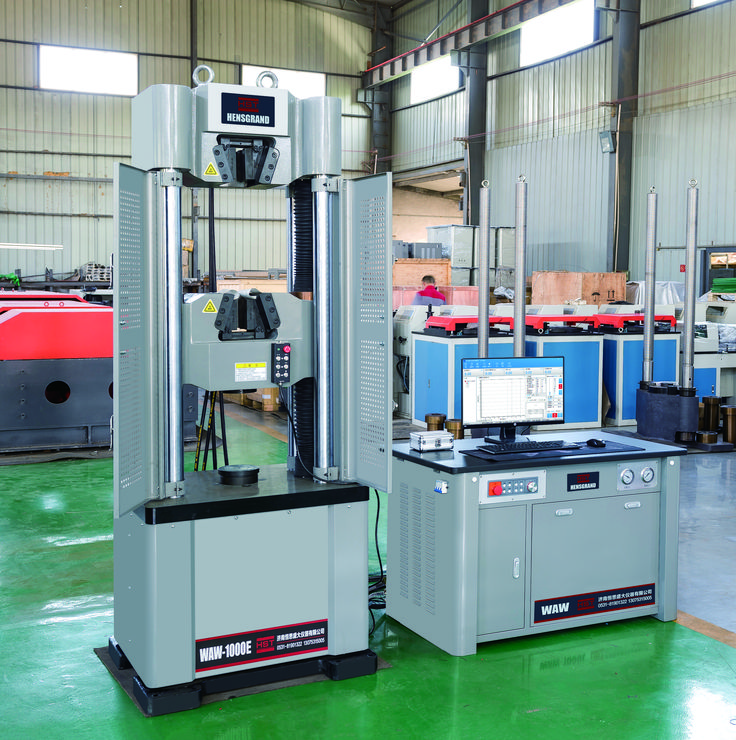
A reliable tensile testing machine is essential for evaluating the strength, durability, flexibility, and mechanical properties of different materials. Industries use this equipment to understand how materials respond to applied forces and whether they meet the required quality standards. From plastics and metals to rubber, paper, and composite materials, accurate testing helps manufacturers maintain product consistency and improve production quality. With the growing demand for reliable testing solutions in Pakistan, locally engineered equipment is becoming an important choice for manufacturing companies, research laboratories, and quality control departments.
Understanding the Role of Tensile Testing in Material Analysis
Tensile testing is a mechanical testing process used to determine how a material behaves when subjected to pulling forces. During this process, a specimen is held between two grips while the machine applies controlled tension until the material stretches, deforms, or breaks.
The recorded measurements help engineers understand important material properties, including tensile strength, elongation, yield strength, and breaking force. These results provide valuable information about material performance and help manufacturers determine whether a particular material is suitable for its intended application.
Tensile testing is widely used in industrial manufacturing, engineering, construction, packaging, automotive production, and research facilities. It also supports product development by allowing manufacturers to compare different materials and evaluate their mechanical performance.
Why Accurate Material Testing Is Important for Industries
Material quality has a direct impact on the performance, durability, and reliability of finished products. Manufacturers need dependable testing procedures to identify weaknesses and maintain consistent production standards.
Regular material testing provides several advantages:
- Product Quality Control: Helps identify material defects before products enter the market.
- Improved Manufacturing: Allows businesses to monitor material performance throughout production.
- Better Material Selection: Helps engineers choose suitable materials for specific applications.
- Reduced Production Waste: Identifies material weaknesses at an early stage.
- Standard Compliance: Supports testing according to relevant international standards.
- Research and Development: Provides useful data for developing improved materials and products.
For businesses working with different industrial materials, accurate testing is an important part of maintaining reliable manufacturing operations.
Different Materials Tested with Tensile Testing Equipment
Modern testing equipment can evaluate several material types depending on its configuration, testing fixtures, and software capabilities.
Plastic and Polymer Materials
Plastic manufacturers use tensile testing to evaluate material strength, flexibility, and elongation. These measurements help determine how plastic samples respond to stretching forces and whether they are suitable for packaging, manufacturing, and other industrial applications.
Metals and Steel
Metal testing is important in construction, automotive manufacturing, engineering, and industrial production. Tensile testing helps determine the strength and deformation characteristics of metal specimens under applied loads.
Rubber and Elastomers
Rubber materials require specific mechanical properties, including elasticity, flexibility, and resistance to stretching. Testing helps manufacturers evaluate how rubber samples behave under different force conditions.
Paper and Packaging Materials
Paper and packaging manufacturers use tensile testing to evaluate the strength and durability of their products. The results help determine how materials perform during handling, processing, and practical use.
Medical Devices and Composite Materials
Mechanical testing is also useful for evaluating suitable medical device materials and composite products. It helps manufacturers understand material behaviour and assess whether components meet their specified performance requirements.
Important Features of Modern Material Testing Machines
When selecting industrial testing equipment, businesses should consider machine construction, measurement accuracy, operating controls, and software capabilities.
Precision Mechanical Components
Precision ballscrews support accurate positioning and controlled movement during testing. These components contribute to consistent machine operation and reliable specimen movement.
High-Accuracy AC Servo Motors
AC servo motors provide controlled movement and help maintain stable testing conditions. Their performance is important for applications that require accurate speed and positioning control.
Touchscreen and PC Connectivity
Modern control options make machine operation more convenient. Touchscreen controls and PC connectivity allow operators to manage testing procedures and access recorded information.
High-Precision Load Cell
A load cell measures the force applied to the specimen during testing. Its accuracy and appropriate capacity are important for obtaining reliable measurements.
Optional Extensometer Attachments
Extensometers provide more precise measurements of specimen elongation. They are useful for testing applications where accurate strain measurement is required.
Real-Time Data Logging and Graph Display
Real-time data recording allows operators to monitor test progress and review material behaviour through graphical representations.
Advanced Software Features for Reliable Testing
Testing software plays an important role in controlling equipment, collecting measurements, and analysing test results. A well-designed software system makes laboratory operations more organised and efficient.
Important software capabilities include:
- High Data Acquisition Rate: Records measurements at frequent intervals during testing.
- Real-Time Graph Display: Shows test results and material behaviour as testing progresses.
- Automatic Excel Reporting: Makes it easier to export, organise, and review testing data.
- User Rights Management: Helps control software access and operator permissions.
- Automatic Calculations: Processes recorded measurements to calculate relevant material properties.
- Test Data Analysis: Supports the evaluation and comparison of material performance.
These functions help operators manage testing activities and maintain organised records for quality control and research purposes.
How to Select the Right Testing Equipment for Your Requirements
Choosing appropriate testing equipment requires careful consideration of the materials, testing procedures, and operational requirements of your industry.
Identify the Material Type
Start by identifying the materials you need to test. Plastics, metals, rubber, paper, and composites may require different grips, fixtures, and testing arrangements.
Consider the Required Load Capacity
The machine should have a suitable load capacity for the forces expected during testing. Selecting the correct capacity helps ensure that specimens can be tested within the machine’s operating range.
Check Measurement Accuracy
Review load measurement accuracy, displacement measurement capabilities, and calibration requirements before selecting equipment.
Review Testing Standards
ASTM, ISO, DIN, and GB/T provide different testing methods and requirements. The machine configuration and testing procedure should be suitable for the relevant standard and material application.
Evaluate Software Capabilities
Consider whether the software offers the reporting, calculations, data acquisition, and graphical analysis required by your laboratory.
Consider Maintenance and Technical Support
Regular maintenance, calibration, and access to technical guidance help maintain equipment performance over time.
Locally Engineered Material Testing Solutions by ZAAVIYA TECHNOLOGIES
Pakistan’s industrial sector includes plastics manufacturing, metal processing, textiles, construction materials, packaging, and engineering. These industries require reliable testing equipment to maintain product quality and meet changing manufacturing requirements.
Locally manufactured testing solutions provide businesses with an opportunity to explore equipment designed around their industrial applications. Local engineering can also make communication about machine specifications, configurations, accessories, and technical requirements more convenient.
ZAAVIYA TECHNOLOGIES offers locally engineered tensile testing equipment designed to support different material testing applications. Its machines combine precision mechanical components, advanced control systems, high-accuracy load cells, and software capabilities to support industrial and laboratory testing requirements.
The equipment is designed to evaluate different material properties, including tensile, compressive, tear, peel, and elongation characteristics, depending on the selected configuration and testing attachments.
By bringing mechanical engineering and testing software together, ZAAVIYA TECHNOLOGIES aims to provide practical testing solutions for manufacturers, research institutions, educational facilities, and quality control laboratories.
Why Choose ZAAVIYA TECHNOLOGIES for Testing Equipment?
Selecting the right equipment provider is an important decision for businesses establishing or upgrading their testing facilities. Reliable equipment should offer suitable testing capabilities, convenient operation, and features that match the requirements of the intended application.
Some important considerations when exploring ZAAVIYA TECHNOLOGIES testing solutions include:
- Locally engineered material testing equipment.
- Precision ballscrew technology for accurate positioning.
- High-accuracy AC servo motor systems.
- Touchscreen and PC connectivity options.
- High-precision load cell technology.
- Real-time data logging and graphical analysis.
- Optional extensometer testing attachments.
- Automatic calculations and Excel reporting capabilities.
- Testing configurations for different material applications.
These features make the equipment suitable for businesses looking to improve their material evaluation and quality control processes.
Maintaining Testing Accuracy Through Regular Calibration
Regular maintenance and calibration are essential for maintaining reliable testing performance. Even advanced equipment requires periodic inspection to ensure that measurements remain consistent and accurate.
Laboratories should inspect load cells, grips, fixtures, and moving components according to the manufacturer’s maintenance recommendations. Calibration should also be performed at appropriate intervals using suitable procedures.
Operators should follow the correct testing methods, prepare specimens according to relevant requirements, and maintain proper testing records. These practices help improve measurement consistency and support effective quality management.
Frequently Asked Questions
What is a tensile testing machine used for?
It is used to evaluate how materials respond to pulling forces and measure properties such as tensile strength, elongation, yield strength, and breaking force.
Which materials can be tested using tensile testing equipment?
Depending on the machine configuration and accessories, it can test plastics, metals, rubber, paper, composites, and other suitable materials.
Can one machine perform tensile and compression tests?
Yes. A suitably configured machine can perform tensile and compression tests, along with other applications such as tear and peel testing, depending on its fixtures and attachments.
Which international standards are used for tensile testing?
Common standards include ASTM, ISO, DIN, and GB/T. The applicable standard depends on the material and the specific testing procedure.
Why is software important in material testing?
Testing software helps operators record measurements, display graphs, perform calculations, analyse results, and generate reports.
Conclusion
Reliable material testing helps manufacturers improve product quality, maintain consistent production standards, and understand the mechanical performance of different materials. Choosing equipment with suitable mechanical components, accurate measurement systems, and advanced software can make testing operations more effective.
For businesses looking for a dependable tensile testing machine, ZAAVIYA TECHNOLOGIES provides locally engineered solutions designed for different industrial and laboratory applications. Explore the tensile testing machines in Pakistan to learn more about available machine features, testing capabilities, and material evaluation solutions.