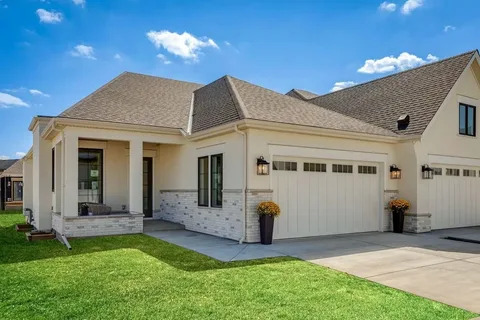
New launches arrive in Dubai almost every week, each with polished brochures, attractive payment plans, and a limited-time reservation window. For buyers, the excitement is understandable, but a reservation is a financial commitment that deserves careful checking. Off plan projects can offer strong value, yet they depend entirely on the developer delivering what was promised. This guide covers what to verify before you reserve a unit, the documents to request, and the warning signs that should make you pause.
What Does Reserving an Off Plan Unit Mean?
A reservation is the first step in buying a unit in a new development. You select a unit and pay a booking amount to hold it, usually followed by signing the Sales and Purchase Agreement (SPA) and paying an initial instalment within a set period. Reservation terms differ between developers, so you should never assume that the booking fee is fully refundable or that the price is locked without reading the form.
Because this early stage moves quickly, many buyers skip checks they would never skip on a ready property. That is where most avoidable problems begin.
1. Verify the Developer’s Credentials
The developer is the most important factor in any off plan purchase. Before reserving, confirm that the company is licensed and registered with the Dubai Land Department and the Real Estate Regulatory Agency (RERA). Then look deeper:
How many projects has the developer delivered, and were they handed over on time?
Do completed buildings match the quality shown in earlier marketing?
How does the developer handle snagging, service charges, and post-handover support?
What do current owners in past projects say about their experience?
A developer with several delivered communities gives you evidence to assess. A newer developer is not automatically a bad choice, but you should look more carefully at funding, partners, and the contractor.
2. Confirm the Project Registration and Escrow Account
In Dubai, off plan projects must be registered, and buyer payments should go into a project-specific escrow account that the developer can access only as construction milestones are met. Ask for the project registration details and the escrow account information, and confirm that all payments are made to that account, never to a personal or general company account.
If a seller cannot or will not provide these details, do not proceed.
3. Check the Permit Number on the Advertisement
Every legitimate property advertisement in Dubai should display a Trakheesi permit number. This confirms that the listing is authorised. An off plan project marketed without one is a red flag, regardless of how attractive the offer looks.
4. Read the Sales and Purchase Agreement Carefully
The SPA sets out your rights and obligations, so read it before paying anything beyond the booking amount. Pay particular attention to:
The expected handover date and what happens if it is delayed.
The payment schedule and what triggers each instalment.
Penalties if you miss a payment.
The conditions for reselling before completion.
Specifications and finishes promised for the unit.
The exact unit area, including how balconies and common areas are counted.
For larger purchases, having a lawyer review the agreement is sensible.
5. Understand the Payment Plan in Full
Developer payment plans are one of the main attractions of off plan projects, but they vary widely. Some link payments to construction progress, others to fixed dates. Some include a post-handover period where part of the price is paid after you receive the keys.
Work out the total you will pay and when, and compare it with your income and cash flow. A plan that looks comfortable at launch can become stressful if your circumstances change. Also ask whether any fees apply at handover, such as the Dubai Land Department registration fee, which is commonly 4 percent of the property value, plus administrative and registration charges.
6. Evaluate the Location and Surroundings
A project’s future value depends heavily on its surroundings. Visit the site if you can, and look at:
Distance to major roads, metro stations, schools, and employment hubs.
Other developments planned nearby that could affect views or traffic.
Existing demand for rentals and resale in the area.
Whether the community’s promised amenities are actually under construction.
Renders show the best-case view. The real neighbourhood tells you what daily life will look like.
7. Compare the Price With the Market
New launches are often priced with a premium for novelty. Compare the price per square foot with similar projects in the same area, both off plan and ready. Check how similar units in earlier phases have performed at resale. A higher price is not necessarily a problem, but you should understand what justifies it.
8. Review the Floor Plan, Unit, and Service Charges
Check the layout, orientation, floor level, and view of the specific unit rather than the show apartment. Ask for an estimate of service charges per square foot, since high charges reduce your rental return. Confirm what the charges cover and how they compare with nearby buildings.
9. Know Your Exit Options
Before reserving, decide whether you plan to hold, rent, or resell. Developers set rules for reselling before completion, often requiring a minimum percentage of the price to be paid first. If resale is part of your plan, make sure these terms fit your timeline and budget.
How Takween AlDar Supports Off Plan Buyers
Takween AlDar is a Dubai real estate agency that works with buyers, sellers, and investors across the emirate’s residential communities. For buyers exploring off plan projects, the agency can help compare launches, explain payment structures, outline the costs involved, and guide clients through the paperwork required to complete a purchase.
As with any agency, do your own verification. Ask for the developer’s registration details, request a written cost breakdown, review the agreement, and compare the advice you receive with independent market information.
Red Flags Before You Reserve
Pressure tactics such as “only a few units left” or “prices rise tomorrow”.
Guaranteed returns or promised resale profits.
No clear information on the developer, escrow account, or project registration.
Requests to pay the booking amount to a personal account.
Advertising without a permit number.
Reluctance to share the SPA before payment.
Vague answers about handover dates or service charges.
A Quick Pre-Reservation Checklist
- Confirm the developer is licensed and review their delivery history.
- Verify the project registration and escrow account.
- Check the permit number on the advertisement.
- Request the SPA and read it in full.
- Calculate the total cost, including fees and service charges.
- Compare the price with similar projects.
- Confirm resale rules and your exit plan.
- Take time to decide. A good project will still be worth buying after careful review.
Frequently Asked Questions
Q: What should I check before reserving off plan projects in Dubai?
A: Verify the developer’s licence and delivery record, confirm the project registration and escrow account, check the advertisement’s permit number, and read the Sales and Purchase Agreement before paying beyond the booking amount.
Q: Is the reservation fee refundable?
A: It depends on the developer’s terms. Some reservations are refundable within a limited period, others are not. Read the reservation form carefully and ask for the refund conditions in writing.
Q: How can I tell if a developer is reliable?
A: Look at how many projects they have delivered, whether handovers were on time, the quality of completed buildings, and feedback from current owners. Registration with the relevant authorities is a basic requirement.
Q: Are my payments safe when I buy off plan in Dubai?
A: Registered projects use escrow accounts, and funds are released to the developer as construction milestones are met. Always pay into the official escrow account and keep receipts for every payment.
Q: What happens if the developer delays handover?
A: The consequences depend on the terms of your SPA and on regulations governing delays. Check the delay clauses before signing, and ask a lawyer to review them if the purchase is large.
Q: Can I resell before the project is completed?
A: Often yes, but developers usually require a minimum percentage of the price to be paid first and may charge an administrative fee. Review the resale terms before reserving.
Conclusion
Reserving a unit in one of the new off plan projects in Dubai should be a decision backed by verification, not urgency. Confirm the developer’s record, project registration, and escrow arrangements. Read the agreement, understand the full cost and payment schedule, and compare the price with the wider market. Buyers who slow down, ask direct questions, and rely on documents rather than marketing claims are the ones best placed to turn an off plan purchase into a sound long-term investment.