Introduction
When you walk into a room, do your shoulders immediately drop? Perhaps you envision a softly lit living room with a nice leather chair. Now think about the opposite; a cluttered kitchen counter that gives you a sinking feeling before you’ve even started your day.
We often don’t realize how much our environments affect our moods. Sleeping in a room with a loud snorer can make the day feel especially draining. The opposite is also true. Many aspects of a room, from the colors to the clutter, can contribute to emotional stress and create an imbalance. This is why the field of design is rapidly merging with mental health.
You don’t always need a large budget or big renovations to effect change in your home. Sometimes small tactical tweaks to prioritize your self care are all you need. Along with your new pillows or a virtual psychiatrist to help you work on your self care plan from wherever you are, you may also find relief with essential oils. The scents can help soothe anxiety.
What the Environment Around You Says About Your Anxiety
Your nervous system can only handle so much stimulation before it starts feeling overwhelmed and anxious. When your environment is chaotic with piles of papers, bad lighting, and an overwhelming number of things vying for your attention, your nervous system becomes overwhelmed and anxious. This can lead to an on edge and anxious nervous system.
Our bodies can be conditioned to react to our surroundings in a variety of ways. Depending on the design of your house, your nervous system can be told that it’s in a safe space and it can slow down and relax.
Because your psychiatrist may be seeing you via telehealth, they may be interested in learning about your living situation in order to determine your environmental triggers. This may include your sleeping and working areas as well as your personal relaxation area. Since they can literally see your living situation, they are able to have a conversation about things that may help you, like what stimuli is causing you the most trouble or anxiety.
Creative use of color and light in a room can help address these concerns. Interior design can leverage the anxieties related to design trends to move away from the use of bold stimuli to incorporate design elements that help you regulate your nervous system.
Tips 1 to 3
These changes should help:
- Let in natural light in the morning by opening curtains.
- Replace overhead lights with lamps in living areas.
- Use dimmer switches or add table lamps for the last two hours before bed.
- A simple improvement like this can greatly enhance the look of a room.
Tip 2: Use calm colors, but use your own preference.
Color is a personal preference, but some colors are generally thought of as relaxing. Sometimes people are driven to strong colors. Other times high contrast colors create an anxiety-inducing effect.
Choose a base of calm colors, then add fun pops of color to suit your own preference. Test paint samples or swatches and observe how you feel at different times of day over a period of time. Notice what helps you feel calm and centered.
Tip 3: Declutter using your own preference and judgment.
Visual clutter is extraneous stuff in your field of view. Each item in your field of view competes for a small portion of your mind’s attention, and an anxious mind can easily add up. Decluttering creates a backlog of stress.
Figuring out how to approach decluttering so that it helps rather than harms your anxiety can help.
Start small. Pick one surface to start with and work from there (i.e. nightstands or coffee tables). Designate a “home” for each item to help with automatic tidying. Use closed storage like baskets, cabinets, and boxes to store items you need but don’t need to see. A calm surface can bring a calm mind and state. Progress over perfection.
Tips 4 and 5: Sensory Comfort and Nature
Tip 4: Create a soft, soothing sensory layer.
Anxiety can be a bunch of scattered thoughts, but it can also be felt in different ways throughout your body. That is why touch, sound, and smell can help to calm you. Psychiatrists can recommend and encourage practice of grounding techniques for anxiety relief that incorporates the use of your senses.
Touch: Add linen throw pillows, a fur throw blanket, or a plush rug.
Sound: Add a fountain or a white noise machine. If the outdoor noises bother you, consider adding some sound barriers with rugs and/or curtains.
Scent: Using essential oils or aromatherapy in moderation can help relax you.
Choose one or two of the above additions per room. Adding too many throughout your house can be overwhelming.
Tip 5: Add some greenery!
Add plants or flowers to each room.
Environmental psychology shows that exposure to greenery can lift mood and lessen stress. If you do not have a garden, there are other ways to bring a sense of calm to your home. Use a few houseplants, a vase of branches, choose furniture made of natural materials, or hang a photograph of nature.
Good houseplants for beginners include pothos, snake plants, and peace lilies. Place your plants where you can see them, for example on a window sill, or on your desk. And while you are at it, create a daily reminder to care for your plant by watering it, and place it in a spot where you can see it. Clinicians often recommend creating small daily routines to help manage the stress of anxiety.
If you can not get enough daylight in your home, paint the walls to reflect a restful scene, for example, a deep blue to invoke the color of the ocean or a soothing shade of green to evoke images of a forest.
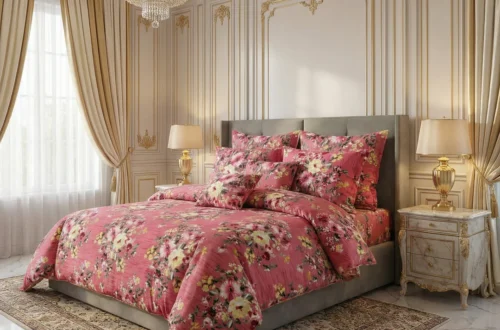
Tip 6: Turn your bedroom into a true sleep sanctuary. Keep your bedroom cool and totally free of electronic stimuli, including computers and cell phones. Use pillows and covers that are soft to the touch. Protect your sleep sanctuary by using it only for sleep.
Because anxiety and sleep are closely related, it’s common for people to bring up both issues when consulting a virtual psychiatrist. The providers will work with you to create routines, and your environment can help support them. A “wind-down corner” can help provide a starting place for a routine each evening.
Tip 7: Create zones and add personal meaning.
Anxiety is in many ways a loss of control, and having boundaries that you’ve blurred by using your home for multiple functions can amplify that. Using furniture to create zones for specific functions, or using a ritual to create a psychological boundary can help eliminate that feeling of constant blur.
Adding personal items to a space that helps you feel secure can help you feel like you own a space, which can send a powerful message to a nervous system that is constantly on edge.
Putting It All Together
You don’t need to use all seven ideas at the same time. Trying to redesign your whole life in a weekend can actually stress you out more. Pick one, try it for a week, and notice how your body responds. Then pick another to add to the first.
Here are the principles to keep in mind as you continue:
- Choose calm over perfection. It is better to have a slightly imperfect, cozy room than an untouchable perfect room.
- Listen to your gut. If a change makes you feel better, keep it. If it makes you feel worse, adjust it.
- The design can and should help alleviate stress and irritability, but it is not a replacement to professional help and support.
That last point bears repeating. If anxiety has you having trouble with your sleep, work, relationships or makes you feel unsafe, rearranging the furniture will not be enough to fix this and definitely shouldn’t have to be. This is something that needs to be treated medically and emotionally.
Conclusion
Your home can be one of your strongest tools in the fight against anxiety. Warm lighting, soft colors and textures, sensory comfort, and other strategies allow you to integrate nature and other elements of design to give a sense of calm and rest throughout your home. Divided spaces also promote a calm mind. Interior design is more than just decoration. It is a means to provide comfort and rest everyday through your design.
Even with design changes that give your home a sense of calm, stress can still build up. A calm environment with the right resources can ease the burden and help you focus on things you can do to improve your situation and regain a sense of control. Treatment is achieved through personalized and actionable options. Many people find it easier to open up about stressful situations in a calm and controlled environment they helped to create. You can even have your assessment and begin your treatment right from your home.