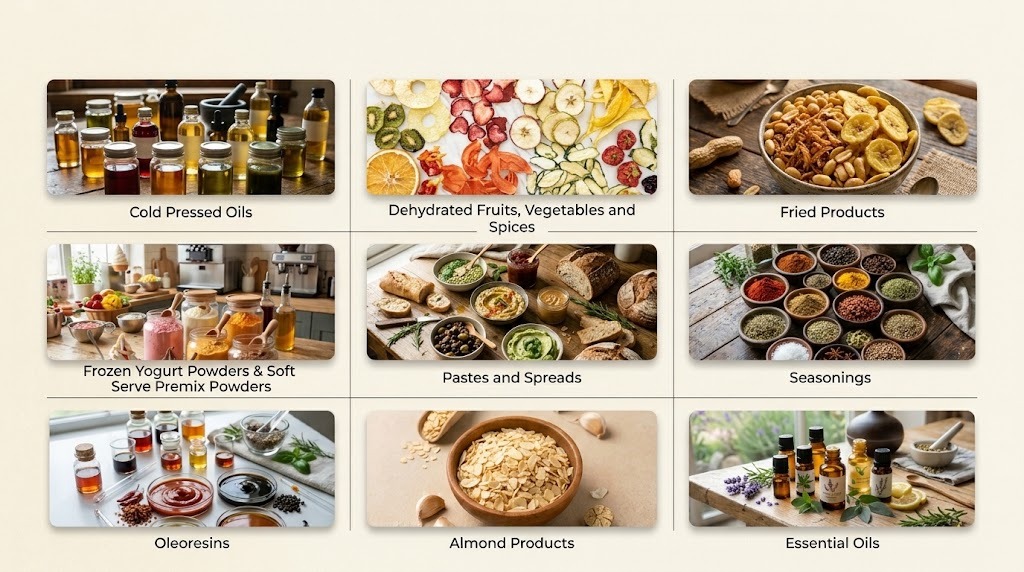
Ready-made pastes and spreads have become essential in Pakistani food businesses. Restaurants use ginger garlic paste for marinades, shawarma outlets depend on garlic spreads, bakeries and cafés use sweet and savory fillings, and caterers rely on ready bases to serve large events quickly. They save time and bring consistency, but only when they are stored and used correctly.
Shelf life is one of the most misunderstood topics in food service. Many businesses either throw away good products too early or, more dangerously, keep using paste long after it has started to spoil. In Pakistan’s hot and humid climate, getting this right is even more important. In this guide, we explain what controls the shelf life of pastes and spreads, how to store them, and how to spot problems early.
What Determines the Shelf Life of Pastes and Spreads?
Not all pastes last the same amount of time. Several factors work together to decide how long a product stays safe and tasty.
Water content. Microbes need water to grow. Pastes with high free water, like fresh garlic or ginger paste, spoil faster than drier, more concentrated products. Food scientists call this water activity, and lowering it is one of the main ways to extend shelf life.
Acidity. Acidic products, such as those containing vinegar, lemon juice, or tomato, are less friendly to many harmful bacteria. This is why many sauces and pickled pastes last longer than neutral ones.
Salt, sugar, and oil. Salt and sugar bind water and slow microbial growth. A layer of oil can also limit air contact, although oil alone does not make a product safe.
Processing and hygiene. Commercial pastes are often heat-treated and packed under controlled hygienic conditions. Kitchen-made pastes rarely get the same treatment, so they usually last much less time.
Packaging. Sealed jars, pouches, and tubs protect against air, moisture, and contamination. Once opened, that protection is reduced.
Storage temperature. Heat speeds up spoilage. In Pakistani summers, a paste left in a hot kitchen can deteriorate far faster than the same paste kept cool.
Unopened vs Opened: A Big Difference
The shelf life printed on a pack refers to the unopened product stored as instructed. Once you open it, the clock changes. Air, moisture, and microbes from hands, spoons, and the kitchen environment start to enter.
Most suppliers give a separate “use within” time after opening, often with refrigeration required. This period is usually much shorter than the unopened shelf life. Always read and follow both instructions, and write the opening date on the container so staff know exactly how long it has been in use.
Storage Best Practices for Food Businesses
- Follow the label. Store unopened packs exactly as the supplier recommends, usually in a cool, dry place away from sunlight.
- Refrigerate after opening when instructed. Keep fridges at a safe cold temperature and avoid overloading them, which reduces cooling efficiency.
- Use clean, dry utensils. Never scoop paste with a used spoon or wet hands. Even a little contamination can shorten shelf life dramatically.
- Close lids tightly. Reseal containers immediately after each use.
- Keep away from heat sources. Do not leave pastes near grills, tandoors, fryers, or stoves during service.
- Follow FIFO. Use older stock first and keep new deliveries at the back.
- Decant smartly. For high-volume kitchens, transfer a day’s working quantity into a smaller clean container and keep the main pack sealed and chilled.
- Plan for power cuts. Load-shedding can disrupt refrigeration. Keep fridges closed during outages and check product condition when power returns.
Signs a Paste or Spread Has Spoiled
Train your kitchen team to check pastes before every shift. Warning signs include:
- Mold or fuzzy spots on the surface or around the lid.
- A sour, fermented, or unusual smell.
- Bulging, swollen, or leaking packaging.
- Unexpected bubbles or fizzing when opened.
- Color changes, such as garlic paste turning unusually green or brown.
- Watery separation that does not mix back, or a slimy texture.
If you notice any of these, do not taste the product to check. Discard it. The cost of one tub is tiny compared with the cost of a food poisoning complaint or a visit from the food authority.
Questions to Ask Your Supplier
Before choosing a supplier, ask:
- What is the unopened shelf life, and under what storage conditions?
- How long can the product be used after opening?
- Does it need refrigeration before or after opening?
- What preservation method is used, and is the product halal certified?
- Are batch numbers and manufacturing dates printed on every pack?
- Which pack sizes are available to match my daily usage?
A reliable supplier will answer clearly and provide written specifications.
Frequently Asked Questions
1. How long do commercial pastes and spreads last?
It depends on the product, recipe, and packaging. Unopened commercial pastes usually last much longer than homemade versions. Always check the shelf life and storage instructions on the pack.
2. Do pastes need refrigeration after opening?
Many do. Follow the supplier’s instructions. If the label says to refrigerate after opening, keep the product chilled and use it within the stated time.
3. Why does homemade ginger garlic paste spoil so quickly?
Homemade paste has high water content, little or no preservation, and is not produced under controlled hygienic conditions, so microbes can grow quickly, especially in hot weather.
4. Is it safe to use paste after the expiry date?
No. Food businesses should never use products past their expiry or after-opening use-by time, even if they look fine.
5. How can restaurants reduce paste waste?
Choose pack sizes that match daily usage, decant working quantities, follow FIFO, store correctly, and label every opened container with the date.
Conclusion
Shelf life is not just a date on a label. It depends on the recipe, processing, packaging, and, most of all, how the product is handled once it reaches your kitchen. By storing pastes correctly, using clean utensils, tracking opening dates, and training staff to spot spoilage, food businesses in Pakistan can protect customers, reduce waste, and keep quality consistent even in the hottest months.
If you are looking for reliable pastes and spreads with clear shelf-life and storage guidance, BioMasdar supplies pastes, spreads, seasonings, and other natural ingredients to restaurants, caterers, and food manufacturers across Pakistan. Contact the BioMasdar team to request samples and product specifications.