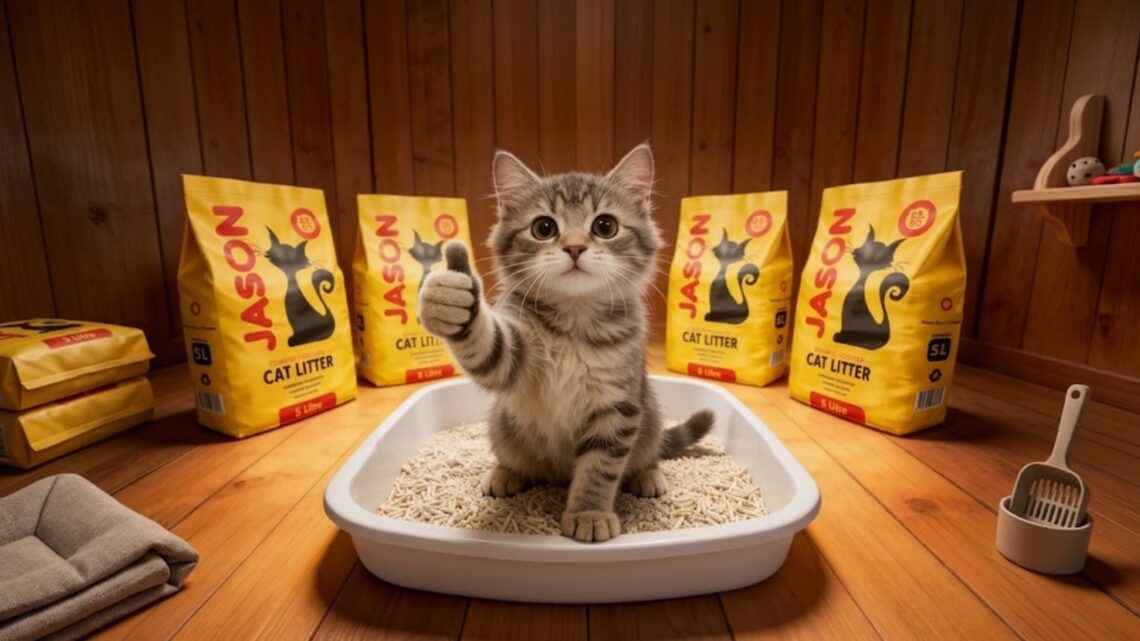
Bringing a kitten home is one of the most exciting moments for any cat lover. There’s the playful pouncing, the tiny paws, the endless curiosity, and, of course, the very important job of teaching good litter habits. The first few weeks set the tone for your kitten’s toilet routine for years to come, so getting the litter setup right from day one really matters. For most new kitten parents, a 5 litre cat litter pack is the perfect place to start. It’s easy to handle, simple to store, and gives you enough litter to build a consistent routine without overcommitting to a large bag. In this guide, we explain why the JASON 5L pack suits kittens so well and share practical tips to help your little one settle in comfortably.
Why Kittens Need a Thoughtful Litter Setup
Kittens usually start learning to use a litter box at around three to four weeks old, often by watching and copying their mother. By the time most kittens arrive in their new homes, they already have the basic instinct to dig and cover. But a new environment, new smells, and new people can make them hesitant or confused at first.
A comfortable, consistent setup helps your kitten feel safe and quickly connect “this is where I go.” When the litter feels good under their paws and the box is easy to access, accidents become much less likely.
Why a 5 Litre Pack Is Ideal for Kittens
The Right Amount for a Small Cat
Kittens produce less waste than adult cats, so a large bulk bag can sit around for a long time after opening. A 5L pack is used up while the litter is still fresh, which helps it perform at its best.
Perfect for Testing What Your Kitten Likes
Every kitten is different. Some take to a new litter immediately, while others need a little time. A smaller pack lets you see how your kitten responds before buying more.
Easy for New Cat Parents
If this is your first kitten, you’re likely juggling food, toys, vet visits, and a lot of new information. A light, manageable 5L pack is one less thing to worry about. It’s easy to carry, pour, and store.
Fits Smaller Homes
Many families live in apartments or shared homes where storage is limited. A 5L pack fits neatly into a cupboard or on a shelf.
Choosing the Right Litter Box for a Kitten
Before pouring in any litter, make sure the box itself suits your kitten’s size.
- Low sides: Small kittens can struggle to climb into tall boxes. A low entry makes it easy for them to step in and out.
- Open top at first: Covered boxes can feel dark or confusing for young kittens. An open box is usually easier while they’re learning.
- Enough space: Your kitten should be able to turn around comfortably. As they grow, upgrade to a larger box.
A shallow tray works well in the early weeks, and you can move to a standard box once your kitten is bigger and more confident.
How Much Litter Should You Use for a Kitten?
For adult cats, the usual recommendation is around 2 to 3 inches (5 to 7 cm) of litter. For very young kittens, you can start a little shallower so they feel steady on their feet, then increase the depth as they grow. With a smaller kitten box, a 5L pack will often stretch further than it would with an adult cat, giving you plenty for regular top-ups.
Where to Place the Litter Box
Location matters just as much as the litter itself. For kittens:
- Keep it close. In the first few weeks, place the box near where your kitten sleeps and plays. Tiny kittens can’t always make it across the house in time.
- Choose a quiet spot. Avoid noisy areas near washing machines, busy doorways, or loud appliances.
- Keep it away from food and water. Cats naturally prefer not to eat near where they toilet.
- Stay dry. In humid weather, keep the box out of damp bathrooms if possible and in a well-ventilated room.
If your home is large, consider placing more than one box while your kitten is learning. You can reduce it to one once they reliably use it.
Teaching Your Kitten to Use the Box
Most kittens learn quickly with a little guidance. Here’s a simple approach:
- Introduce the box on day one. Gently place your kitten in the box so they can sniff and explore.
- Use key moments. Place your kitten in the box after meals, after naps, and after play sessions. These are the times they’re most likely to need to go.
- Let them dig. Gently scratching the litter with your finger can encourage your kitten to copy the motion.
- Praise calmly. A soft voice or gentle stroke after they use the box builds a positive association.
- Never punish accidents. Scolding creates fear and can make toilet problems worse. Simply clean up and guide them back to the box next time.
Important Safety Tips for Kittens
Kittens explore the world with their mouths, and that sometimes includes litter. Keep a close eye on your kitten in the early weeks:
- Watch for litter eating. Some young kittens taste litter out of curiosity. If you notice your kitten eating litter repeatedly, remove them gently and speak to your vet for advice on the best litter type for their age.
- Supervise very young kittens. Kittens under about eight weeks need extra attention while they learn.
- Keep the box clean. Kittens are more vulnerable to infections, so regular scooping matters.
- Check for changes. Diarrhoea, straining, or going outside the box can signal a health issue. Contact your vet if anything seems unusual.
Keeping the Box Clean and Fresh
Kittens are more likely to use a box that’s clean and inviting. Build these simple habits:
- Scoop at least once or twice a day.
- Top up with fresh litter after scooping to keep the depth even.
- Do a full change regularly, washing the box with mild, unscented soap and drying it completely.
- Avoid strong-smelling cleaners, which can put kittens off the box.
- Store the open bag sealed with a clip in a cool, dry place.
Transitioning From a Breeder’s or Shelter’s Litter
If your kitten used a different litter before coming home, a sudden change can confuse them. Ask the breeder, shelter, or previous owner what they used, and if possible, mix a little of it with JASON for the first few days. Gradually increase the proportion of JASON over about a week until your kitten is fully switched. The 5L pack gives you plenty to manage this transition comfortably.
When Your Kitten Grows Up
Kittens grow quickly. As your cat gets bigger, you’ll likely need a larger box, a slightly deeper litter level, and more frequent restocking. Many single-cat households continue with 5L packs because they fit neatly into a two-to-three-week full-change cycle for adult cats. Others with multiple cats move to buying several packs at a time.
Frequently Asked Questions
1. Is a 5 litre cat litter pack good for kittens?
Yes. A 5L pack is easy to handle, stays fresh, and lets you see how your kitten responds to the litter before buying more. Kittens produce less waste, so a pack often lasts longer than with an adult cat.
2. At what age can kittens use a litter box?
Most kittens begin learning to use a litter box at around three to four weeks old. By the time they go to new homes, they usually have the basic instinct to dig and cover.
3. How deep should litter be for a kitten?
Start slightly shallower than for an adult cat so your kitten feels steady, then increase towards 2 to 3 inches as they grow.
4. What should I do if my kitten eats litter?
Gently remove your kitten from the box and keep a close eye on them. If it happens repeatedly, contact your vet for advice on the most suitable litter for your kitten’s age.
5. How do I stop my kitten having accidents outside the box?
Keep the box close to where your kitten sleeps and plays, place them in it after meals and naps, keep it clean, and never punish accidents. If problems continue, check with your vet to rule out health issues.
Conclusion
The first few weeks with a new kitten are the perfect time to build healthy, lifelong litter habits. With a low, easy-to-reach box, a quiet location, regular cleaning, and plenty of patience, most kittens learn quickly and confidently. A 5 litre pack makes the whole process simpler: it’s light to handle, easy to store, and the right size for a small cat finding their feet in a new home. Welcoming a new kitten soon? Get everything ready for their first days at JASON and give your little one a comfortable start.