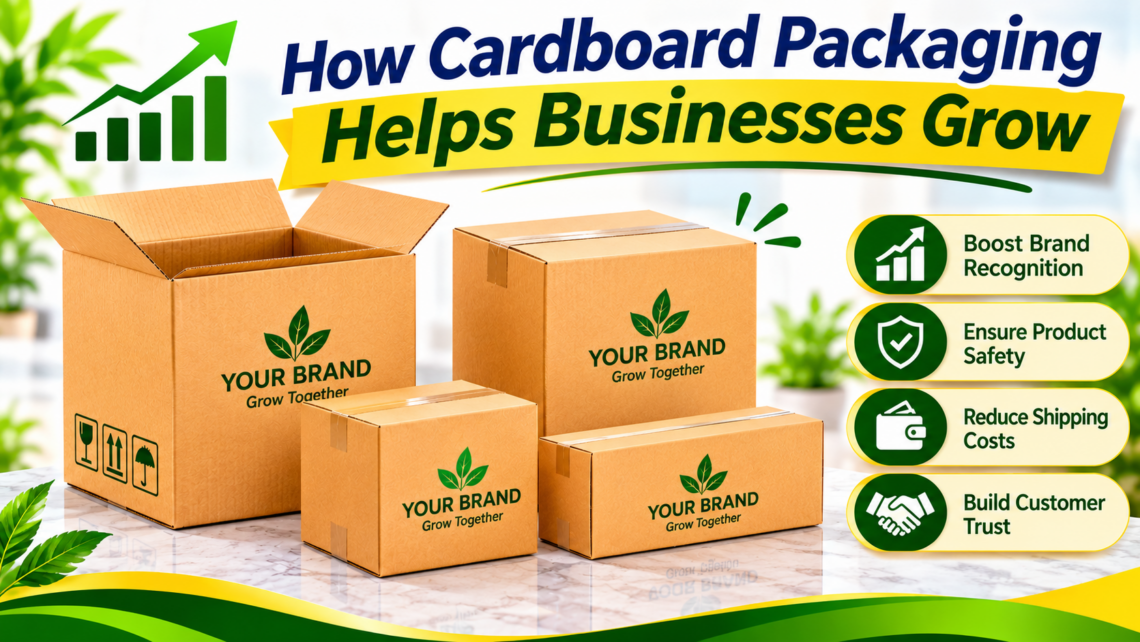
Packaging is an essential part of modern business operations. Whether a company sells products online, operates a retail store, or supplies goods to other businesses, suitable packaging helps protect products and create a professional presentation. Cardboard boxes remain a popular choice because they are versatile, lightweight, and available in different sizes and structures.
Beyond basic product protection, packaging can also support brand recognition and improve the customer experience. Businesses that carefully select their packaging can create a consistent appearance while meeting their storage, shipping, and marketing requirements.
Why Cardboard Boxes Are Used Across Industries
Cardboard packaging is suitable for a wide range of products, including clothing, cosmetics, electronics, food items, accessories, and household goods. Its flexibility allows manufacturers to produce boxes in different shapes, dimensions, and thicknesses.
For retail products, folding cardboard cartons can provide an attractive presentation. Corrugated boxes are often preferred for shipping because their layered construction can offer additional strength during transportation. The right option depends on the product’s weight, fragility, and handling requirements.
Another advantage is convenient storage. Many cardboard box styles can be supplied flat and assembled when needed, helping businesses organize their packaging inventory.
The Benefits of Custom Printed Cardboard Boxes
Brand presentation is an important consideration for businesses competing in crowded markets. Custom printed cardboard boxes provide an opportunity to display company logos, brand colors, product information, and creative graphics directly on packaging.
A consistent design can make products easier to recognize across different sales channels. For example, an online store can use branded shipping boxes to create a professional impression when customers receive their orders. Retail businesses can use printed cartons to maintain a recognizable appearance on store shelves.
Printing options may include simple logos, full-color artwork, product descriptions, and other design elements. Depending on the material and printing method, businesses may also consider finishes such as matte or gloss lamination, foil details, and spot UV.
The best design is not necessarily the most complicated one. Clear branding, readable information, and a suitable box structure can create an effective result.
How Wholesale Boxes Help With Bulk Packaging Needs
Businesses with regular packaging requirements often need a reliable supply of boxes. Ordering wholesale boxes can help companies plan inventory, maintain consistent packaging specifications, and manage recurring orders.
Bulk purchasing may also offer cost advantages depending on order quantity, material selection, printing requirements, and production arrangements. Before placing an order, businesses should compare quotations and consider the total cost rather than focusing only on the price per unit.
Some important factors include:
- Box dimensions and material thickness
- Printing colors and design complexity
- Required order quantity
- Storage space for unused packaging
- Production and delivery schedules
- Additional inserts or protective materials
Planning packaging requirements in advance can help reduce last-minute ordering and make inventory management more predictable.
Choosing the Right Cardboard Box Material
Not every product requires the same packaging structure. Selecting the appropriate material is essential for balancing protection, appearance, and cost.
Folding carton board: This option is commonly used for lightweight retail products, cosmetics, accessories, and other items that need an attractive presentation.
Corrugated cardboard: Its fluted middle layer provides additional structural support, making it suitable for shipping, storage, and heavier products.
Kraft cardboard: Often selected for its natural brown appearance, kraft packaging can suit businesses that prefer a simple, understated design. Environmental claims should depend on the actual material composition and available recycling facilities.
Businesses should evaluate product weight, transportation conditions, and storage requirements before choosing a material.
Packaging Design and Customer Experience
The appearance and functionality of packaging can influence how customers interact with a product. A properly sized box can keep items organized and reduce unnecessary movement during handling. For delicate products, internal inserts, dividers, or cushioning materials may provide additional support.
The opening experience also matters. Clean printing, organized product placement, and thoughtful design can make packaging feel more professional.
For e-commerce companies, packaging is particularly important because it represents the physical connection between an online business and its customers. A consistent design across shipping cartons, product boxes, and labels can strengthen brand identity.
Practical Ways to Reduce Packaging Waste
Businesses can improve packaging efficiency by selecting box dimensions that closely match their products. Oversized packaging may require additional filler and take up more space during storage and transportation.
Other practical considerations include using recyclable materials where appropriate, reducing unnecessary decorative components, and reviewing whether existing box sizes can accommodate multiple products.
Cardboard is recyclable in many locations, but coatings, adhesives, inks, and contamination can affect whether a particular box is accepted by local recycling programs. Businesses should verify material specifications before making environmental claims.
Finding Packaging That Matches Your Business Needs
Choosing packaging involves balancing several requirements, including product protection, design, material quality, and budget. A small online business may prioritize flexible order quantities, while a larger retailer may focus on consistent bulk production and brand presentation.
Businesses exploring different cardboard packaging styles can review the options available at My Box Printing. Comparing box designs, sizes, and customization possibilities can help companies identify packaging that fits their products and operational needs.
Conclusion
Cardboard boxes continue to provide practical packaging solutions for businesses across different industries. Their flexible construction, printing possibilities, and range of available styles make them suitable for retail presentation, shipping, and product storage.
By choosing appropriate materials, designing clear branding, and planning bulk orders carefully, businesses can develop packaging that supports both daily operations and customer experience. Well-designed cardboard packaging is more than a container; it is an important part of how a company protects and presents its products.