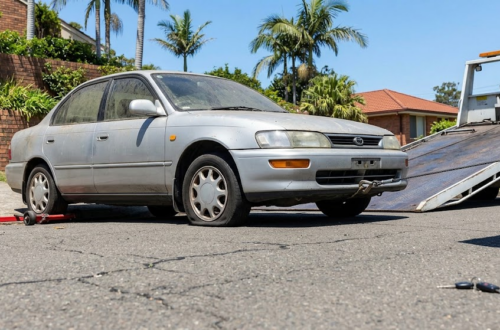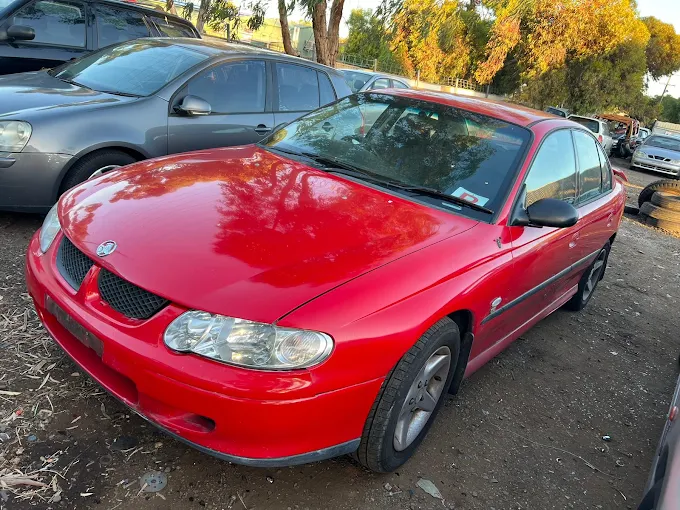
Old and unwanted vehicles can create more waste than many car owners realise. When a vehicle reaches the end of its useful life, it does not simply become scrap metal. It may contain reusable parts, recyclable materials, engine oil, coolant, brake fluid, batteries, tyres and other components that need proper handling.
Leaving an unwanted vehicle unused for years or disposing of it without considering its environmental impact can contribute to unnecessary waste. A better approach is to make use of vehicle recycling and responsible dismantling practices.
In Brisbane, car removal services provide one way for vehicle owners to pass unwanted vehicles on for assessment, dismantling and material recovery. Businesses such as Cash For Car Brisbane are part of this process, helping car owners find an option for vehicles they no longer need.
Understanding how this process works can help vehicle owners make better decisions about old, damaged and unroadworthy cars.
What Is Automotive Waste?
Automotive waste includes materials and components left over from vehicles that are no longer being used or have reached the end of their working life.
Some common examples include:
- Scrap metal from vehicle bodies, doors, bonnets and chassis.
- Old tyres and rubber components.
- Damaged plastic bumpers, dashboards and interior fittings.
- Used engine oil, transmission fluid and coolant.
- Car batteries and electrical components.
- Worn-out brakes, filters and other mechanical parts.
- Glass from windscreens and windows.
Not all these materials can be handled in the same way. Some can be reused, some can be recycled, while others require specialised treatment or disposal.
When vehicles are dismantled through appropriate processes, more materials can be recovered instead of being sent directly to landfill.
How Does Car Removal Help Reduce Automotive Waste?
Car removal is often the first step in moving an unwanted vehicle into the recycling and recovery process. Once a vehicle is collected, it can be assessed to determine which parts and materials may still have value.
Here are some ways this process can help reduce automotive waste.
1. Recovering Reusable Car Parts
An old vehicle may no longer be suitable for everyday driving, but that does not mean every component has reached the end of its life.
Depending on the vehicle’s condition, parts such as alternators, starter motors, mirrors, doors, engines, gearboxes and wheels may still be suitable for reuse.
These components can be inspected and, where appropriate, recovered for use in other vehicles.
Reusing existing parts can reduce the demand for newly manufactured replacements. It can also help limit the amount of material discarded during vehicle disposal.
However, not every used component is suitable for reuse. Safety-related parts and mechanical components need proper inspection before being considered for another vehicle.
2. Recycling Scrap Metal
Metal makes up a large proportion of most vehicles. Car bodies, engine components, frames and suspension parts contain materials such as steel, aluminium and other metals.
These materials can be separated during dismantling and sent to suitable recycling facilities.
Recycled metal can become raw material for manufacturing new products, including automotive components, construction materials and other metal goods.
Using recovered metal can reduce the need for newly mined resources. Metal recycling can also require less energy than producing certain metals from raw materials, although the actual savings depend on the material and recycling process.
This makes scrap metal recovery an important part of responsible vehicle disposal.
3. Reducing the Amount of Waste Sent to Landfill
Sending an entire unwanted vehicle to landfill means losing the opportunity to recover many materials that may still be useful.
Vehicle dismantling provides an alternative by separating reusable parts, recyclable metals, plastics, glass and other components.
Materials that cannot be recovered may still need appropriate disposal, but separating them first helps reduce the volume of waste that could otherwise end up in landfill.
The result depends on how carefully the vehicle is processed and whether suitable recycling facilities are available.
4. Handling Hazardous Automotive Fluids
Old vehicles contain several fluids that can cause environmental problems if they leak into soil, stormwater drains or waterways.
Common examples include:
- Engine oil
- Coolant
- Brake fluid
- Transmission fluid
- Power steering fluid
- Fuel
A damaged or abandoned vehicle can develop leaks as hoses, seals and containers deteriorate.
During proper vehicle dismantling, these fluids need to be drained and collected using suitable equipment. They can then be sent for recycling, treatment or disposal through appropriate channels.
This step is particularly important because even a relatively small leak can contaminate the surrounding area.
Car owners should avoid draining vehicle fluids themselves unless they have the correct knowledge, equipment and disposal arrangements.
5. Recovering and Managing Old Car Batteries
Car batteries contain materials that need careful handling. Conventional lead-acid batteries contain lead and sulphuric acid, while hybrid and electric vehicles may use high-voltage battery systems.
Damaged or incorrectly stored batteries can create environmental and safety risks.
Suitable recycling processes can recover useful materials from certain battery types. However, different batteries require different handling procedures.
A vehicle containing a hybrid or electric battery should be assessed by people with the appropriate training and equipment. High-voltage components should never be dismantled by unqualified individuals.
Responsible battery handling helps prevent harmful materials from entering the environment.
6. Giving Old Tyres and Other Components Another Purpose
Tyres are another major source of automotive waste. They do not break down quickly in the natural environment and can create storage and fire risks when dumped in large quantities.
Depending on their condition and the available recycling facilities, tyres may be reused, retreaded or processed into materials for other applications.
Other components, including selected plastics, rubber items and automotive glass, may also be recovered through suitable recycling channels.
Separating these materials during vehicle dismantling makes it easier to identify what can be reused or recycled.
What Happens to an Unwanted Car After Collection?
The exact process varies between operators and recycling facilities, but responsible vehicle processing generally involves several stages.
Step 1: Vehicle Assessment
The vehicle is assessed to determine its condition, age, damage and potential for parts recovery.
An assessment may identify components that can be reused, materials suitable for recycling and items that require special handling.
Step 2: Vehicle Collection and Transport
Once collection arrangements have been made, the vehicle is transported to a suitable location for further assessment or dismantling.
Proper loading and transport are important, especially when dealing with damaged vehicles that may have leaking fluids or exposed components.
Step 3: Fluid and Hazardous Material Removal
Before dismantling, relevant fluids and hazardous components need to be identified and handled through suitable procedures.
This can include fuel, oil, coolant, batteries and other materials that require separate treatment.
Step 4: Dismantling and Parts Recovery
Reusable components are separated from the vehicle. Parts that are damaged, worn or unsuitable for reuse are directed towards the appropriate recycling or disposal process.
Step 5: Material Separation and Recycling
The remaining vehicle shell and recoverable materials are sorted into suitable categories.
Metals can be processed through recycling facilities, while other materials are directed towards available recovery or waste-management systems.
Not every component can be recycled, but proper separation helps recover a greater amount of useful material.
Why Should Brisbane Car Owners Dispose of Old Vehicles Responsibly?
Brisbane’s growing urban areas, roads and residential properties mean unwanted vehicles can become a concern when they are left unused for long periods.
An old car sitting in a driveway, backyard or vacant property may develop fluid leaks, rust and damaged components.
There are several reasons to consider responsible disposal.
Preventing soil and water contamination: Leaking oil, fuel and coolant can affect surrounding soil and enter stormwater systems.
Reducing unnecessary waste: Reusing suitable parts and recovering scrap metal keeps useful materials in circulation.
Making better use of property space: Removing an unwanted vehicle can free up a driveway, garage or yard.
Supporting material recovery: Recycling helps reduce the demand for some newly extracted raw materials.
Reducing long-term vehicle deterioration: An unused vehicle can become harder to manage as its condition worsens over time.
Choosing an appropriate vehicle disposal option helps address these concerns while giving the vehicle a chance to contribute to material recovery.
What Should You Check Before Choosing a Car Removal Service?
Not every car removal operator follows the same processes. Before arranging collection, it is worth asking a few questions about what happens to the vehicle afterwards.
Consider checking:
- Does the operator explain where collected vehicles are taken?
- Are reusable parts separated from scrap materials?
- How are oils, fuels and other automotive fluids handled?
- Are batteries and other hazardous components managed appropriately?
- Does the business use suitable recycling or dismantling facilities?
- Is the vehicle ownership and transfer process explained clearly?
- Are the collection terms and any charges confirmed beforehand?
It is also important to have the required ownership documents and understand your responsibilities when transferring or disposing of a vehicle in Queensland.
A little research can help you choose a service that takes vehicle handling seriously rather than focusing only on collection.
How Cash For Car Brisbane Fits Into the Vehicle Recycling Process
When a vehicle is no longer needed, arranging its removal can help move it towards assessment, dismantling and material recovery.
Cash For Car Brisbane provides a car removal option for Brisbane vehicle owners looking to sell unwanted vehicles. The important consideration for the environment is what happens after collection: whether reusable components are recovered, scrap materials are separated and hazardous substances are handled appropriately.
Vehicle owners can ask about the destination of their vehicle and the processes used for dismantling and recycling before making arrangements.
For people researching local vehicle disposal options, cash for cars brisbane is one option to consider when looking to move an unwanted vehicle out of their possession.
Responsible vehicle disposal is not just about getting rid of an old car. It is also about making better use of the materials it contains and reducing avoidable waste.
Frequently Asked Questions
1. Can an old car be recycled if it no longer runs?
Yes. A vehicle does not need to be running to have recyclable materials or reusable components. Its metal body, selected mechanical parts, wheels and other materials may still have value. The extent of recovery depends on its condition and the available recycling facilities.
2. What parts of a scrap car can be recycled?
Commonly recovered materials include steel, aluminium, selected plastics, rubber, glass and certain battery materials. Some mechanical and electrical components may also be suitable for reuse after inspection.
3. Is it environmentally harmful to leave an old car sitting in a yard?
It can become an environmental concern over time. Deteriorating seals, damaged fuel lines and rusted components may lead to fluid leaks. Old tyres and batteries can also create waste-management issues if they are not stored or handled correctly.
4. What happens to the oil and other fluids in scrap cars?
During appropriate dismantling, fluids such as engine oil, coolant, brake fluid and fuel are drained and collected separately. They can then be sent for suitable recycling, treatment or disposal. They should never be poured onto the ground or into household drains.
5. Does recycling an old car really help the environment?
Yes. Recovering metals and reusing suitable components can reduce the demand for newly extracted resources and help limit landfill waste. Proper handling of fluids and batteries also reduces the risk of environmental contamination.
6. Can damaged or accident-written-off cars be recycled?
Yes. Even vehicles with major accident damage may contain reusable components and recyclable materials. However, their condition needs to be assessed, particularly where structural damage, fuel leaks or damaged electrical systems are involved.
7. What should I do before arranging car removal in Brisbane?
Remove personal belongings, check the vehicle for important documents and number plates, and confirm the collection arrangements. Ask the operator about ownership documentation, any applicable fees and how the vehicle will be processed after collection.
8. Are electric and hybrid cars recycled in the same way as petrol cars?
Not entirely. Electric and hybrid vehicles contain high-voltage battery systems and specialised electrical components. These require different handling procedures and trained personnel. Their batteries should be sent through appropriate recovery or recycling channels rather than treated like ordinary scrap metal.
9. Can used car parts be sold or reused after dismantling?
Yes, provided the parts are in suitable condition and meet relevant safety requirements. Components such as mirrors, doors, alternators and selected engine parts may be recovered for reuse. Safety-critical components require particular care and proper inspection.
10. Why is responsible car disposal important in Queensland?
Responsible disposal helps reduce automotive waste, limits the risk of fluid contamination and supports the recovery of valuable materials. It also helps vehicle owners avoid leaving deteriorating vehicles on private or public land.
Final Thoughts
Every unwanted vehicle contains materials that may still have a useful purpose. Reusing suitable parts, recovering metals, managing batteries and safely handling automotive fluids can all contribute to reducing waste.
For Brisbane car owners, responsible vehicle removal is an important first step towards ensuring an old or damaged vehicle is handled properly. Asking the right questions about collection, dismantling and recycling helps make the disposal decision more informed and environmentally responsible.