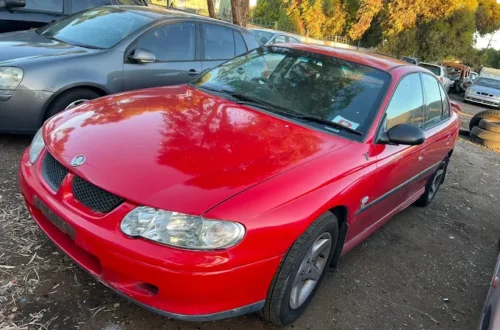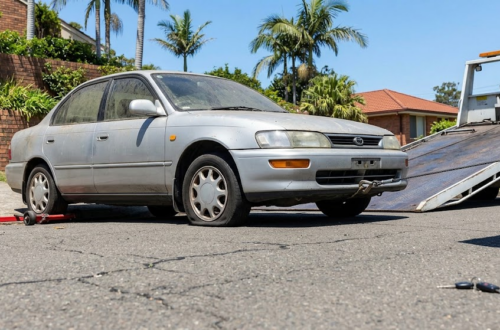
Leaving an old, unregistered car sitting in your driveway or on your lawn often starts as a temporary delay. Over time, tyres deflate, seals crack, fluid leaks risk environmental fines, and the vehicle turns into an eyesore.
In New South Wales, getting rid of a car that cannot be driven on public roads involves strict legal regulations. Transport for NSW and local councils hold registered operators accountable until ownership and vehicle status are formally updated. If you skip essential administrative steps, you risk unexpected council penalties, toll bills, or lingering legal liability.
This practical checklist guides you through the process of legally scrapping an unregistered or derelict car in NSW.
1. Verify Ownership and Gather Documentation
Scrap auto recyclers and licensed motor dealers cannot legally purchase a vehicle without verifying your right to dispose of it. Even if the vehicle has been out of registration for years, establishing clear ownership is your first step.
Gather the following:
- Current Photo Identification: Your NSW Driver Licence, Photo Card, or Australian passport.
- Proof of Ownership: The most recent Certificate of Registration (even if expired), a original bill of sale, or a receipt showing you purchased the car.
- VIN and Engine Number: Locate the 17-digit Vehicle Identification Number (VIN) stamped on the build plate (usually near the driver’s door pillar or base of the windscreen) to verify it matches your paperwork.
If you inherited the vehicle through a deceased estate or purchased property where a vehicle was abandoned by an old tenant, contact Service NSW or consult the Uncollected Goods Act 1995 before booking a collection. Scrapping a car you do not legally own can result in police intervention and civil liability.
2. Check for Outstanding Finance on the PPSR
Before contacting recyclers, confirm the vehicle is free of financial encumbrances.
When a vehicle has money owing, the lender registers a legal claim on the Personal Property Securities Register (PPSR). Legally, the finance company holds rights over the asset until the loan is cleared.
You can run an online check on the Australian Government PPSR website using the VIN. If a security interest appears, contact the lender to settle the balance or obtain written permission releasing their claim before arranging collection. Authorised recyclers will run a PPSR check before pickup and will refuse vehicles with active encumbrances.
3. Handle the Number Plates and NSW Registration
A common question among vehicle owners is what to do with the physical number plates once a car expires or is sent to a wrecker.
When the Registration Has Expired
If your registration expired more than three months ago, Transport for NSW automatically cancels the vehicle records. However, the physical aluminium plates remain the legal property of the state. You must physically remove them from the vehicle prior to collection and hand them in at any Service NSW service centre. Keeping them hanging in the garage or letting them travel with the scrap truck leaves you exposed to identity misuse or plate cloning.
When Some Registration Remains
If the vehicle still has active registration or expired less than three months ago:
- Unscrew the front and rear number plates.
- Visit a Service NSW centre to complete a Number Plates and/or Cancellation of Registration form.
- Hand in the plates to cancel the registration formally.
- Request your pro-rata refund for the remaining motor vehicle tax.
- Contact your Compulsory Third Party (CTP) green slip insurer with the cancellation proof from Service NSW to claim an additional pro-rata CTP refund.
4. Prepare the Vehicle for Collection
Once the paperwork and plates are sorted, prepare the vehicle so pickup proceeds smoothly and safely.
Preparation Checklist:
[ ] Thoroughly inspect the cabin, boot, and under seats for personal belongings.
[ ] Check the glove box for old registration papers, bills, and insurance notes.
[ ] Disconnect toll tags (E-Toll or Linkt) and remove the vehicle from your online toll accounts.
[ ] Clear clear access for a flatbed or wheel-lift tow truck.
[ ] Check tyre pressure; if flat, notify the collector so they bring appropriate winching gear.
Ensure the path from the street to your driveway is clear of bins, secondary vehicles, or locked gates. If the car is stuck in soft grass, mud, or an underground basement with limited clearance, let your removal company know in advance so they dispatch the appropriate recovery truck.
5. Select a Licensed Vehicle Recycler
In New South Wales, auto dismantlers, motor dealers, and scrap metal yards must operate under strict regulatory compliance.
Under the NSW Scrap Metal Industry Act 2016, scrap metal businesses are prohibited from paying physical cash for scrap metal and end-of-life motor vehicles. Any operator offering cash in hand is operating outside NSW law. Legitimate companies will request photo ID and pay directly via electronic funds transfer (EFT) or cheque.
Working with an established service provider simplifies collection, particularly when dealing with immobile vehicles that cannot be legally driven on the road. Arranging an experienced old car removal Sydney specialist ensures the transport, environmental draining, and recycling adhere strictly to state environmental and transport standards without leaving you out of pocket for private towing fees.
6. Complete the Transfer and Paperwork at Handover
On the day of pickup:
- Verify the Driver’s Credentials: Ensure the tow operator works for a registered business or holds an appropriate tow truck driver certificate.
- Obtain a Written Receipt: The paperwork must detail the date of transaction, the business name, contact details, motor dealer or scrap metal registration number, the car’s VIN, and the agreed valuation.
- Verify the Number Plates Are Detached: Never let a vehicle leave on a tow truck with your old plates still attached unless transferring ownership to a licensed dealer who accepts full written custody on a formal disposal document.
7. Submit a Notice of Disposal (NOD) with Service NSW
To fully close your legal liability, you must tell the state government that the car is no longer in your possession.
If the registration is still active or was recently cancelled without surrender papers:
- Log into your MyServiceNSW account online.
- Navigate to Submit a Notice of Disposal (NOD).
- Enter the purchaser’s business details, including their NSW Motor Dealer Licence number or business name, along with the date and sale price.
Submitting a Notice of Disposal ensures you cannot be held liable for parking offences, council abandoned-vehicle notices, or municipal environmental recovery fees after the vehicle has left your property.
Summary Checklist
| Stage | Core Actions | Regulatory Requirement |
| Stage 1 | Confirm title, collect photo ID, check PPSR for clear finance. | Personal Property Securities Act 2009 |
| Stage 2 | Unscrew plates, surrender them at Service NSW, claim tax/CTP refunds. | Road Transport (Vehicle Registration) Regulation |
| Stage 3 | Clear cabin, remove toll tags, verify electronic payment method. | Scrap Metal Industry Act 2016 |
| Stage 4 | Complete handover receipt, lodge Notice of Disposal online. | Service NSW Vehicle Disposal Guidelines |
Frequently Asked Questions
Can I sell an unregistered car for scrap without the registration papers?
Yes. If you have misplaced the paper registration certificate, you can still scrap the car provided you prove your identity and ownership. A licensed buyer will verify the VIN against the NEVDIS and Service NSW databases using your driver licence to confirm there are no stolen reports or financial holds recorded against it.
Can a wrecker pay me cash in hand for my scrap car in NSW?
No. Under the NSW Scrap Metal Industry Act 2016, it is illegal for scrap dealers or auto dismantlers to pay hard cash. All transactions must occur through traceable means—predominantly electronic bank transfer (EFT) or crossed cheque—and require verification of your government-issued photo ID.
Can I drive an unregistered car to a scrap yard myself?
No. Driving an unregistered, uninsured vehicle on NSW roads attracts substantial fines, demerit points, and potential court attendance. An Unregistered Vehicle Permit (UVP) is only issued for specific journeys (such as obtaining a pink slip for registration) and generally does not cover driving an unroadworthy wreck to a scrap facility. Immobile or unregistered cars must be moved using a licensed tow truck or flatbed carrier.
What should I do if a previous owner left an unregistered car on my rental property?
You cannot immediately scrap or sell a vehicle left behind by someone else. Under the Uncollected Goods Act 1995 (NSW), you must follow due process, which includes notifying the owner in writing, waiting the mandatory notice period, or obtaining an appropriate disposal order through the NSW Civil and Administrative Tribunal (NCAT) depending on the vehicle’s market value.
Do I get money back on remaining CTP and registration when scrapping?
Yes, provided the registration has not completely lapsed. By surrendering the number plates at a Service NSW centre prior to the expiry date, you can claim a pro-rata refund on the motor vehicle tax portion of your rego. Once cancelled, contact your green slip provider with your Service NSW cancellation receipt to receive a pro-rata refund on your remaining CTP insurance.