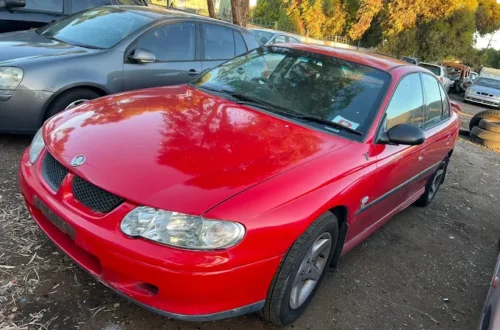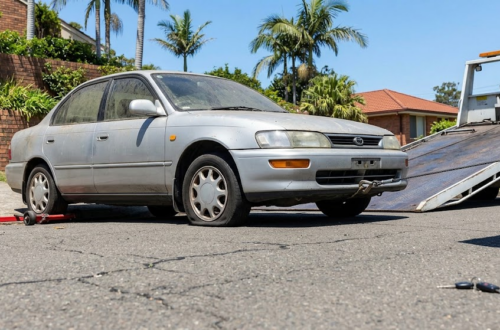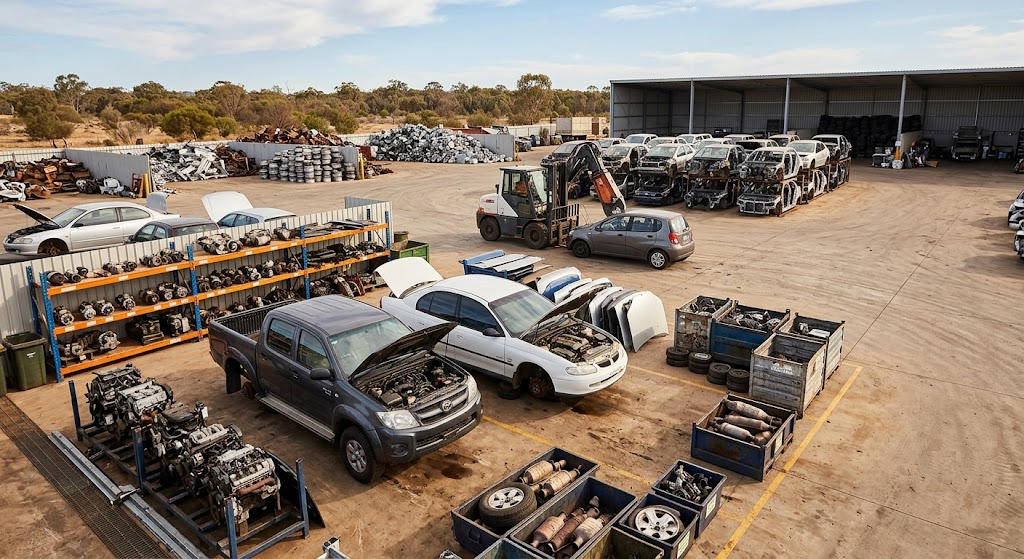
When a vehicle reaches the end of its road life, watching a tow truck haul it away often leaves behind a lingering question: what actually happens to all those hazardous liquids, heavy metals, and electrical components?
Cars are complex assemblies containing thousands of individual parts, toxic chemical compounds, and hundreds of kilograms of structural metals. If dumped in a standard landfill, a single derelict car could contaminate soil and local water tables for decades.
Modern auto recycling operates under strict environmental regulations rather than makeshift dumping practices. In fact, road vehicles are among the most recycled consumer products in the world, with over 75% to 80% of an average car’s total mass recovered and turned back into productive supply chains.
A responsible vehicle retirement journey breaks down into precise, closed-loop treatment streams.
Stage 1: Depollution and the Fate of Hazardous Fluids
Before any dismantling, crushing, or shredding takes place, an end-of-life vehicle (ELV) enters an EPA-compliant depollution bay. This stage prevents cross-contamination and ensures zero toxic runoff into ground systems. Technicians drain on average 15 to 40 litres of varied liquids from each chassis.
Engine Oil and Transmission Fluid
Petroleum-based lubricants do not simply wear out chemically; they collect soot, dirt, and heavy metal microscopic shavings.
- The Process: High-vacuum drainage systems extract motor oil, gear oil, differential fluids, and transmission fluids directly into sealed storage tanks.
- Where They Go: These oils are sent to specialized hydro-treatment refineries. They undergo vacuum distillation to strip impurities, producing high-grade Group II base oil. This re-refined base oil is blended back into brand-new automotive engine lubricants. Low-grade fractions get repurposed as industrial heating oils or asphalt extenders.
Engine Coolant and Antifreeze (Ethylene Glycol)
Antifreeze contains ethylene glycol, an alcohol that is sweet-tasting, toxic to animals, and damaging to waterways.
- The Process: Coolant is drained into dedicated tanks to avoid mixing with petroleum products, which would ruin re-refining batches.
- Where It Goes: Industrial distillation plants remove suspended debris, rust inhibitors, and water. The recovered pure ethylene glycol has fresh anticorrosive chemical packs added and is re-bottled for sale as recycled coolant.
Refrigerant Gases (R134a and R1234yf)
Air conditioning systems contain potent greenhouse gases. Venting them into the open atmosphere is an environmental violation.
- The Process: Certified recovery technicians attach closed-loop manifold gauges to pump the refrigerant out of the compressor lines.
- Where It Goes: The extracted gas is stored in certified pressure cylinders and shipped to specialized gas management facilities. It undergoes scrubbed chemical distillation to remove moisture and compressor oils, returning to factory purity for reuse in refrigeration systems. Non-reclaimable older chlorofluorocarbons (like R12) are destroyed via high-temperature plasma arc incineration.
Brake, Power Steering, and Washer Fluids
- Brake Fluid (Glycol Ethers): Because brake fluid is hygroscopic and picks up moisture over its lifespan, it is collected and incinerated under regulated industrial waste-to-energy programs to cleanly generate heat.
- Windshield Washer Fluid: Extracted washer fluids containing methanol or ethanol are filtered and reused in on-site workshop operations or blended into industrial cleaning detergents.
Stage 2: The Battery Lifecycle (Lead-Acid vs. Lithium-Ion)
Batteries represent both the highest immediate recycling success and one of the largest engineering priorities in vehicle management.
| Battery Type | Key Components | Recovery Rate | Final Destination |
| Traditional Lead-Acid (12V) | Lead plates, sulfuric acid, polypropylene casing | ~98% – 99% | New 12V starter batteries, commercial fertilizers, plastic pellets |
| EV / Hybrid (Lithium-Ion) | Lithium, cobalt, nickel, manganese, aluminum casing | ~85% – 95% (materials) | Second-life solar storage, battery-grade cathode precursor materials |
Lead-Acid Starter Batteries
Traditional starter batteries have one of the highest recycling rates of any consumer good. When removed:
- Mechanical Crushing: The entire battery is pulverized in an automated hammer mill.
- Density Separation: Heavy lead particles sink to the bottom of water vats, while the polypropylene plastic shell pieces float to the top.
- Acid Neutralization: The sulfuric acid is treated with sodium carbonate (soda ash), yielding harmless water and sodium sulfate, which is sold to detergent and textile manufacturers. Some facilities neutralize it for use in fertilizers.
- Smelting: The recovered lead grids and lead oxide paste are smelted in blast furnaces, cast into ingots, and supplied back to battery manufacturers to construct brand-new starter batteries.
- Plastic Re-pelletizing: The plastic casings are washed, shredded, melted, and formed into plastic pellets, which are molded directly into new battery cases.
EV & Hybrid High-Voltage Battery Packs
As electric and hybrid vehicles retire, battery packs follow specialized routes:
- Second-Life Repurposing: Packs that retain 70% to 80% of their operational capacity are remanufactured and repurposed into stationary energy storage modules for residential solar systems and grid balancing.
- Hydrometallurgical Extraction: Exhausted cells undergo mechanical shredding under an inert gas shroud to form a “black mass.” Chemical leaching processes separate out critical raw elements—lithium, battery-grade cobalt, and nickel—re-entering the upstream supply chain to produce new electric vehicle cells.
Stage 3: Scrap Metal Recovery and the Steel Mill Circuit
Once the car is stripped of hazardous fluids, battery packs, and high-demand mechanical spares (such as the alternator, starter motor, and intact body panels), what remains is the chassis and structural frame.
Depolluted Vehicle Hulk
          │
          ▼
Industrial Car Baler / Crusher (Flattened for Transport)
          │
          ▼
High-Power Shredder (Pulverized in 45 Seconds)
          │
          ├──────────────────────────┬──────────────────────────┐
          ▼                          ▼                          ▼
Magnetic Separation        Eddy-Current Rotors         Auto Shredder Residue
 (Ferrous Steel)          (Non-Ferrous Aluminum)          ("Auto Fluff")
          │                          │                          │
          ▼                          ▼                          ▼
 Electric Arc Furnace       Secondary Smelter           Energy Recovery or
 (Rebar, Beams, Cars)     (Cast Wheels, Engine Blocks)    Engineered Landfill
1. Baling and Shredding
The shell (hulk) is loaded into an industrial crusher to flatten it for transport efficiency. It travels to a commercial shredder powered by motors exceeding 4,000 horsepower. In under a minute, the vehicle is shredded into uniform, palm-sized fragments.
2. Magnetic Ferrous Separation
High-intensity magnetic drums rotate above the conveyor belt carrying the shredded debris. Ferrous metals (iron and structural steel) are pulled upward, separating them from all non-magnetic materials. Recycled steel requires up to 74% less energy to process than mining and refining virgin iron ore. These fragments are routed to Electric Arc Furnaces (EAF), melted down, and rolled into new hot-rolled structural coils, building rebar, or car panels.
3. Eddy-Current Non-Ferrous Separation
The remaining debris passes over high-speed alternating magnetic rotors called eddy-current separators. These fields generate repulsive currents in non-ferrous metals, launching them clear of the conveyor:
- Aluminum: Sourced from rims, cylinder heads, and heat shields. Recycling aluminum saves up to 95% of the energy needed for bauxite mining and smelting. It is recast into engine blocks and architectural framing.
- Copper: Extracted from wiring harnesses and wound electric motors. It is directed into high-purity copper smelting to produce telecommunication cables and transformer windings.
- Catalytic Converters: Containing precious metals (platinum, palladium, and rhodium), these exhaust modules are decanned separately and processed through pyrometallurgical refining.
4. What Happens to the Rest (Auto Shredder Residue)?
The remaining non-metal materials—shredded foam, interior fabrics, dashboard plastics, rubbers, and safety windshield glass—form what the industry calls Automotive Shredder Residue (ASR) or “auto fluff”.
Modern facilities utilize optical sorters and flotation tanks to recover dense plastics from this mix. Materials that cannot be cleanly separated are either processed into Refuse-Derived Fuel (RDF) for high-temperature cement kilns or safely sealed in regulated landfills as inert daily cover.
The Broader Impact: Turning Waste Into Practical Value
Vehicle recycling is not just about clearing yard space—it plays an indispensable role in circular resource management. Reintroducing metals, re-refining oils, and closing the manufacturing loop on lead-acid batteries reduces the environmental impact of raw mineral extraction while lowering industrial greenhouse gas output.
For everyday car owners holding on to broken, unregistered, or accident-damaged vehicles, participating in this circular supply chain is simple. Utilizing professional disposal channels like cash for unwanted cars adelaide ensures that a non-running vehicle moves directly to licensed auto salvage professionals who extract and recycle these materials responsibly, rather than leaving a deteriorating car to leak contaminants onto private land.
Frequently Asked Questions
Can an auto wrecking yard legally pour old motor oil or coolant down the drain?
No. Draining automotive fluids into city sewers, storm drains, or bare ground is strictly prohibited by environmental protection laws worldwide. Auto wreckers must operate certified depollution stations on impervious concrete slabs with bunding barriers, grease traps, and sumps to catch any errant leaks. Environmental agencies inspect storage tanks, transport manifests, and disposal logs to track where collected fluids are sent.
Why don’t recyclers crush the car with the battery and engine oil still inside?
Crushing a car with intact fluids and batteries causes severe environmental contamination and creates an extreme fire hazard. A car battery crushed inside a chassis will rupture, leaking concentrated sulfuric acid and potentially short-circuiting to ignite residual fuel vapors. Furthermore, scrap metal facilities heavily penalize or outright reject bulk scrap metal contaminated with high concentrations of engine oil.
What happens to old car tires when an end-of-life vehicle is dismantled?
Tires are dismounted before vehicle crushing. Usable tread tires are resold on the secondhand market. Worn tires are processed in tire-recycling shredders to remove steel bead wires. The rubber is pulverized into “crumb rubber,” which is used in playground safety surfaces, athletic running tracks, modified asphalt mixtures for quieter highways, and rubber-modified concrete.
How much of an average car can be recycled today?
On average, 80% to 85% of a standard passenger vehicle’s weight is recovered through parts reuse and raw material recycling. The metals (which account for roughly 65% to 70% of car weight) achieve near-total material recovery, alongside high-recovery items like lead-acid batteries and engine oils. The primary challenge remains the composite plastics and upholstery fibers in Automotive Shredder Residue, which ongoing material sorting innovations continue to address.
Is whole-car recycling profitable without parts sales?
Yes, scrap metal itself maintains consistent baseline economic value based on global commodity markets. While selling second-hand mechanical components (doors, transmissions, alternators) increases profit margins for local wreckers, the pure weight of structural steel, cast aluminum components, copper wiring, and catalytic converter precious metals ensures that even stripped bare shells hold tangible processing value.