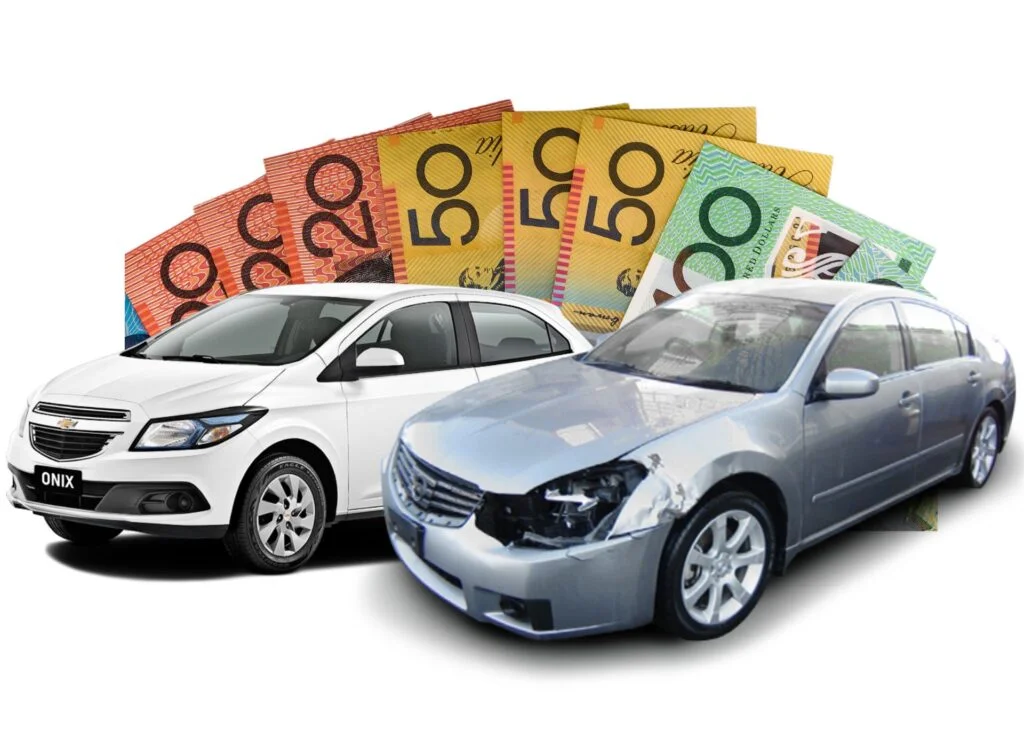
Selling a car can raise many questions, especially when you are unsure how much it is worth. Some vehicles remain in good condition for years, while others develop mechanical problems, suffer accident damage, or become too costly to maintain. Knowing the estimated price of your vehicle can help you make a sensible decision before selling it. A proper car assessment considers several details, including the make, model, age, condition, and current demand.
If you are planning to sell your vehicle, getting a Car Valuation Canberra assessment can give you a clearer idea of its potential selling price. Take some time to review your vehicle details and compare your options before making a decision. You can also visit https://canberracash4cars.com.au/ to learn more about selling unwanted vehicles.
What Is a Car Valuation?
A Car Valuation Services Canberra is an estimate of how much a vehicle may be worth in the current market. It gives owners an idea of the amount they could receive when selling their car. The estimate is based on several factors, rather than just the original purchase price.
Every vehicle has a different history. Two cars from the same manufacturer and model year may have different prices because of their kilometres, service records, condition, and previous damage.
A valuation can help car owners understand the likely selling price before advertising their vehicle or contacting a car buyer. It also provides a starting point for discussions with potential buyers.
Why Is Car Valuation Important?
Knowing your vehicle’s estimated price can help you avoid unrealistic expectations. Many owners remember how much they paid for their cars and expect to receive a similar amount when selling them. However, vehicles generally lose value as they age and accumulate kilometres.
A vehicle assessment can help you:
- Understand your car’s current market position.
- Set a reasonable asking price.
- Compare offers from different buyers.
- Decide whether repairs are worth the cost.
- Prepare for a private sale or vehicle removal.
- Make an informed decision about an unwanted vehicle.
A clear understanding of your car’s condition and market demand can make the selling process easier to plan.
Factors That Affect Your Car’s Valuation
Several details influence how much a vehicle may be worth. Buyers consider the overall condition and whether the car can be driven, repaired, resold, or dismantled for parts.
1. Make and Model
The manufacturer and model have an important role in determining a vehicle’s price. Some models have stronger demand in the Australian used-car market because of their reputation, running costs, availability of spare parts and popularity.
For example, certain Toyota, Mazda, Hyundai and Ford models attract interest from used-car buyers. However, demand can change depending on the particular model, year,r and condition.
2. Vehicle Age
Age is another important factor. Newer vehicles often have a higher market price because they may have more years of service remaining.
Older vehicles usually lose value over time. However, age does not tell the entire story. A well-maintained older car may still attract buyers, particularly if it has a complete service history and remains in good working condition.
3. Kilometres Travelled
The distance a car has travelled can influence its estimated price. A vehicle with lower kilometres may attract more interest because some buyers expect less wear on its engine, transmission and other components.
However, high kilometres do not automatically make a car worthless. Its maintenance history, mechanical condition and general appearance also matter.
4. Overall Condition
The physical and mechanical condition of a vehicle can have a major effect on its estimated price.
Buyers may inspect:
- Engine performance.
- Transmission condition.
- Tyres and brakes.
- Suspension components.
- Paintwork and body panels.
- Interior condition.
- Electrical systems.
- Signs of rust or accident damage.
A car with major mechanical faults may receive a lower offer than a similar vehicle that runs properly.
5. Service and Maintenance History
Regular servicing can help maintain a vehicle’s condition. Service records also give potential buyers information about previous maintenance and repairs.
Receipts, inspection reports,rts and service books can help explain how the car has been maintained. Missing records do not automatically prevent a sale, but they may make it harder for buyers to assess its history.
6. Registration Status
Registration can influence the interest a vehicle receives. A registered car may appeal to buyers who want to drive it away without arranging additional registration requirements.
An unregistered vehicle can still have a selling price. However, buyers may consider its condition, roadworthiness,iness and the work required before it can return to the road.
7. Current Market Demand
Used-car prices change according to supply and demand. Certain vehicle types may attract more buyers during particular periods.
Fuel prices, vehicle availability, economic conditions, and changing driving preferences can all influence demand.
A model that attracts strong interest today may receive a different price in the future.
How to Get a Car Valuation in Canberra
Getting an estimate starts with providing accurate information about your vehicle. The more details you can supply, the easier it is for a buyer to assess its condition and possible selling price.
Step 1: Collect Your Vehicle Details
Start by gathering basic information, including:
- Vehicle make and model.
- Manufacturing year.
- Registration details.
- Current odometer reading.
- Transmission type.
- Fuel type.
- Vehicle identification details.
These details help buyers identify the exact vehicle being assessed.
Step 2: Describe the Vehicle’s Condition
Be honest about any existing problems. Mention mechanical faults, accident damage, broken components or other issues that may affect the car.
Do not leave out important details simply to receive a higher estimate. An accurate description helps prevent disagreements during the inspection.
Step 3: Take Clear Photographs
Photographs can help buyers understand the vehicle’s appearance before arranging an inspection.
Take pictures of the front, rear, sides, interior,r and engine bay. If there is visible damage, include photographs that clearly show the affected areas.
Step 4: Compare Similar Vehicles
Look at advertisements for similar cars in Canberra and other parts of the Australian market.
Compare vehicles with similar:
- Manufacturing years.
- Kilometres.
- Specifications.
- Mechanical condition.
- Registration status.
Remember that an advertised price is not necessarily the amount a seller receives. The final selling price may be lower after negotiations.
Step 5: Request an Assessment
Once you have collected the necessary information, contact potential buyers and request an estimate.
Some buyers may provide an initial figure based on the details you supply. Others may need to inspect the vehicle before making a final offer.
How Much Is a Damaged or Non-Running Car Worth?
A damaged vehicle can still have a selling price, even when it cannot be driven. Its estimated price depends on the type of damage, available parts, vehicle make, model and condition.
For example, a car with a damaged bumper may still have a working engine, transmission,n and interior. These components may attract interest from buyers.
A non-running vehicle may also contain reusable parts. However, major engine damage, transmission failure,ure or severe accident damage can reduce its estimated price.
Common Types of Vehicles That Can Be Valued
Accident-damaged cars: Vehicles involved in collisions may retain value through usable components and recyclable materials.
Engine-damaged cars: A vehicle with engine problems may still contain working electrical, body, and interior components.
Unregistered cars: These vehicles can be assessed even when their registration has expired.
Old cars: Older vehicles may attract interest depending on their condition, ppartss and metal content.
Scrap cars: Vehicles that are no longer suitable for road use may still have a price based on their recoverable materials and components.
Private Sale Versus Selling to a Car Buyer
Once you know your vehicle’s estimated price, you can decide how you want to sell it. Private sales and direct car buyers have different requirements.
Selling Your Car Privately
A private sale involves advertising the vehicle and dealing directly with interested buyers.
You will generally need to:
- Prepare an advertisement.
- Take photographs.
- Answer buyer questions.
- Arrange inspections.
- Discuss the asking price.
- Complete the required transfer paperwork.
Private selling may suit owners with roadworthy vehicles that attract interest in the used-car market. However, it can take time to find someone willing to purchase the car.
Selling Through a Car Buyer
A direct car buyer may assess your vehicle and make an offer based on its condition and market demand.
This option may suit people who have older, dadamaged or unwanted vehicles. Some buyers also consider cars that are no longer running.
Before accepting an offer, check what it includes. Ask about collection arrangements, payment methods,,nd any conditions attached to the sale.
Tips to Prepare Your Car Before Valuation
You do not need to spend a large amount of money preparing a vehicle for an assessment. A few simple steps can help buyers inspect it more easily.
Clean the Interior and Exterior
Remove rubbish and personal belongings from the vehicle. Cleaning the seats, dashboard, and exterior can make its condition easier to inspect.
Gather Important Documents
Keep your registration papers, service rerecordsand ownership documents ready. These can help answer questions about the vehicle.
Check the Vehicle’s Features
Make a list of working and non-working features. Include information about the air conditioning, windows, lights, audio ssystemm and other important components.
Disclose Existing Problems
Tell the buyer about any known faults or damage. This helps ensure that the assessment reflects the actual condition of the vehicle.
Remove Personal Belongings
Check the glove box, boot, dpocketsock,,ets and under the seats before handing over the car.
Common Mistakes to Avoid During Car Valuation
Some vehicle owners make decisions based on incomplete information. Avoiding these mistakes can help you understand the selling process more clearly.
Ignoring the vehicle’s condition: A car’s age alone does not determine its price. Mechanical faults and body damage also matter.
Using the original purchase price: The amount paid years ago does not represent the current market price.
Comparing different models: Similar-looking vehicles can have different specifications and market demand.
Hiding mechanical problems: Undisclosed faults may lead to disagreements during inspection.
Spending too much on repairs: Before arranging expensive repairs, compare the likely cost with the expected increase in selling price.
Accepting the first offer without comparison: Reviewing more than one offer can help you understand what buyers are prepared to pay.
Understanding Vehicle Valuation and Car Recycling
Not every vehicle is suitable for resale. Some cars have reached a stage where repairs cost more than their likely selling price. Others may have severe damage or missing components.
In these situations, car recycling can be another option. Vehicles may contain materials and components that can be recovered for further use.
Metal parts, engines, transmissionswheelsw ,s and certain electrical components may have value depending on their condition and demand.
Recycling also helps reduce the amount of vehicle material sent to landfill. Suitable materials can be processed and used again in manufacturing and other industries.
When assessing an unwanted vehicle, buyers may consider its reusable parts, scrap metal content, co,,ndition and collection requirements.
Understanding Car Valuation in Different Canberra Areas
Vehicle owners across Canberra may need an assessment before selling an unwanted or damaged car. The same general valuation factors apply regardless of the suburb.
Whether a vehicle is located in Belconnen, Gungahlin, Tuggeranong, Woden, Weston Creek or the Inner North, its estimated price will depend mainly on its make, model, age, kilometres and condition.
Location can still influence practical arrangements. For example, the distance required for collection and the condition of the vehicle may affect the arrangements offered by a buyer.
Owners should provide the correct pickup location and explain whether the vehicle can be driven or needs to be transported.
The Role of Canberra Cash 4 Cars in Vehicle Valuation
For Canberra vehicle owners considering the sale of an unwanted car, Canberra Cash 4 Cars is a local business to consider when exploring vehicle buying and removal options. Its website, https://canberracash4cars.com.au/, provides information about its services. Owners can use the available contact details to discuss their vehicle, explain its ,,condition and enquire about the assessment and selling process.
Conclusion
Knowing what your vehicle is worth can help you make a sensible decision when it is time to sell. A car’s estimated price depends on several factors, including its age, make, model, kilometres, service history, registration and mechanical condition.
Before accepting an offer, collect your vehicle details, describe any existing problems and compare similar cars in the market. You should also consider whether a private sale, d,irect buyer or recycling option is suitable for your situation.
A careful assessment gives you a clearer picture of your vehicle’s selling potential. Whether you own a well-maintained used car, an older vehicle,, or a damaged car, understanding its condition is an important first step towards making an informed selling decision.