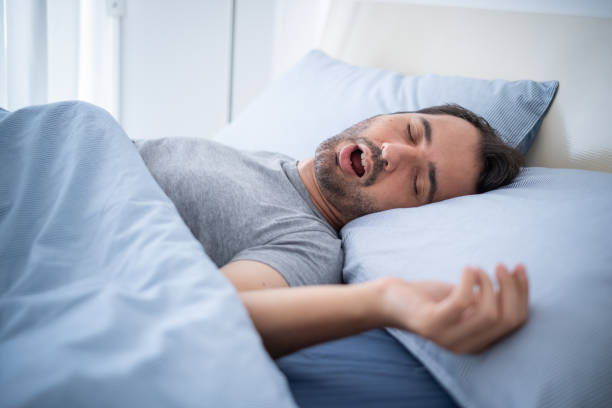
Most people planning a nose job are thinking about the bridge, the tip, how they’ll look in photos. Fair. But if you snore like a freight train, wake up with headaches, or have already been told you have sleep apnea, there’s a more important question sitting under all that. Is it safe, and how should the whole thing be planned? Rhinoplasty is a common, generally safe procedure, but untreated breathing problems during sleep can raise the stakes around anesthesia, pain medicine, and the first nights of recovery when your nose is packed with swelling and a splint. I’ve covered how nose surgery can help breathing before. This time I want to flip it around and talk about what happens when sleep apnea is already in the picture. It isn’t a reason to panic or cancel. It’s a reason to plan smarter.
Why Sleep Apnea Raises the Bar
Obstructive sleep apnea means your airway collapses repeatedly while you sleep, cutting off airflow and dropping your oxygen. Under anesthesia, the throat muscles relax even more, and sedatives and strong pain medicines can deepen that relaxation and blunt your body’s urge to breathe. So people with apnea, especially undiagnosed or untreated, can be more prone to airway trouble during and after surgery, like low oxygen levels or difficulty keeping the airway open. That’s why anesthesia teams ask about snoring and sleep patterns. It isn’t nosiness. It’s about picking the safest way to put you under and wake you up. The risk varies a lot depending on severity, weight, other health conditions, the type of anesthesia, and the medications used afterward. Good teams plan around it. Bad surprises usually happen when nobody knew, which is why being upfront matters so much.
The Pre Surgery Conversation You Shouldn’t Skip
Tell your surgeon everything. Do you snore loudly? Has anyone seen you stop breathing? Do you wake up gasping? Are you exhausted during the day? Do you have high blood pressure or a larger neck size? Many surgeons and anesthesia providers use quick screening questionnaires to flag people at risk. If your answers raise concern, you may be sent for a sleep study before surgery, either at home or in a lab. It might feel like a delay, but it can change the plan in useful ways, like deciding where the surgery should be done, how you’ll be monitored, and which medicines to avoid. If you already have a diagnosis, bring your records, your CPAP settings, and the machine itself if you use one. The more your team knows, the better they can protect you. Hiding it to avoid a delay isn’t worth the risk.
Anesthesia and Pain Control, Where the Details Matter
Anesthesia choices matter more when apnea is in play. Your anesthesia team may favor techniques that protect the airway, use shorter acting drugs, and limit heavy sedation. They may also plan extra monitoring in recovery, like continuous oxygen tracking, and keep you in the recovery area longer before sending you home. Pain control is the other piece. Opioid pain medicines can slow breathing, which is risky for someone with apnea, especially at night. Many surgeons now use a multimodal approach, combining non opioid medicines like acetaminophen, anti inflammatories if appropriate, and local anesthetic during surgery, to reduce how much opioid you need. Don’t self medicate with sleeping pills or extra sedatives to cope with the first nights, and avoid alcohol. Ask directly what your pain plan is and what to do if you feel too drowsy or short of breath. A clear plan beats guessing at two a.m.
The First Nights Are the Tricky Part
Here’s what the first few nights after rhinoplasty look like for anyone. A splint on the nose, swelling inside, maybe soft internal supports, so nasal breathing is poor. You’ll breathe through your mouth, which dries your throat and can worsen snoring. You’ll sleep with your head elevated, usually on a couple of pillows or a recliner, to reduce swelling. Now add sleep apnea. Mouth breathing, relaxed muscles, and maybe pain medicine can stack the odds toward more breathing pauses. Sleeping propped up helps, since gravity keeps the tongue and soft tissues from falling back as much. A humidifier can ease dryness. Having someone stay with you the first night or two is smart, so they can notice if your breathing sounds off or you’re hard to wake. Don’t tough it out alone. If you feel panicky or can’t breathe well, call the surgeon’s office or seek urgent help.
What About CPAP After Surgery?
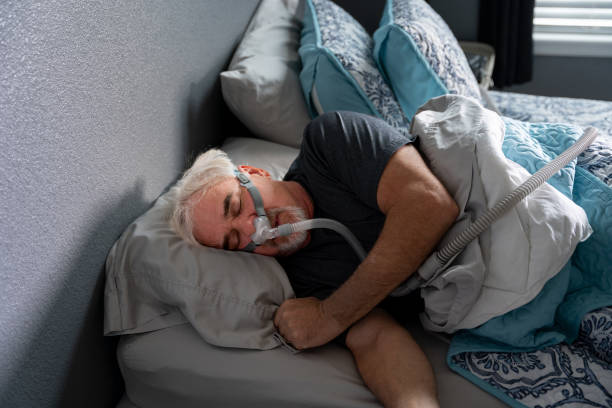
This is the question I hear most. Can you use CPAP with a freshly operated nose? The answer depends on your surgeon and the type of surgery. Many surgeons want people with apnea to keep using their CPAP after surgery, because the risks of untreated apnea during recovery can outweigh the concerns. Others may ask you to wait or modify how you use it, since pressure from a mask on the nose, or air forced into healing tissue, can be a concern after rhinoplasty. Alternatives include a mask that doesn’t press on the nose, like a full face mask or a mask that sits at the nostrils without pushing on the bridge, though full face masks may still put pressure on the area. Some surgeons adjust pressure settings temporarily. Don’t guess. Ask your surgeon and sleep doctor together, before the operation, so you have a written plan for exactly how to handle your device.
Surgery That Helps, Not Just Looks
There’s an upside to all this. If your nasal airway is part of why your sleep is bad, rhinoplasty with a functional component, along with septoplasty or turbinate reduction when needed, can open the nose and make breathing at night easier. That may reduce mouth breathing, improve snoring, and make CPAP more comfortable by lowering the pressure you need and cutting down mask leaks. It isn’t a cure for apnea by itself, since most of the collapse happens in the throat, and nobody should promise that. But an open nose is a better foundation for any treatment. So if you’ve got both issues, a thoughtful plan might include treating the apnea with CPAP or another device, fixing nasal obstruction surgically, and rechecking your sleep afterward to see where you stand. Each piece supports the others.
Choosing the Right Team and Setting
Not every surgeon or facility is set up equally for patients with apnea. Ask where the surgery will be done and whether that setting has experience monitoring patients with sleep apnea. A full hospital or accredited surgery center with proper monitoring equipment may be safer than an office setup for moderate to severe cases. Ask whether an anesthesiologist or nurse anesthetist will be present, how long they’ll watch you afterward, and whether overnight observation is an option if needed. Ask how often the surgeon treats patients with sleep apnea and what they do differently. A good provider will welcome these questions and answer plainly, even if the answer is that surgery should wait until your apnea is better controlled. If someone brushes off your concerns or rushes you, find another opinion. Your nose is worth getting right, but your breathing comes first.
Conclusion
Having sleep apnea doesn’t automatically rule out rhinoplasty, but it changes how the whole process should be handled. Tell your team early, get tested if you haven’t been, and work out a plan for anesthesia, pain control, monitoring, and what to do with your CPAP. Expect extra caution in those first few nights, sleep propped up, avoid sedatives, and don’t be alone. And remember that when nose surgery is done to improve airflow, it can support better sleep down the road, even if it isn’t a cure for apnea. Ask hard questions, be honest about your symptoms, and choose a team that treats safety as seriously as results. A great nose means little if you can’t breathe easy while it heals.
Ready to Get Some Answers?
If you’re thinking about nose surgery and you snore, wake up tired, or have already been diagnosed with a breathing problem at night, don’t keep that to yourself. Book a consultation and get a plan that protects both your breathing and your goals. Reach out today and take the first step.
Frequently Asked Questions
Can I have rhinoplasty if I have sleep apnea?
Often yes, but it needs extra planning. Your surgical and anesthesia teams may adjust anesthesia, pain control, monitoring, and where the surgery is done to keep you safe.
Should I get a sleep study before rhinoplasty?
If you snore loudly, have daytime sleepiness, or other warning signs and haven’t been tested, a sleep study may be recommended so your team can plan safely.
Can I use my CPAP after nose surgery?
It depends on your surgeon and the type of procedure. Many people are advised to keep using it, sometimes with adjustments, but ask for specific instructions before surgery.
Is pain medicine riskier with sleep apnea?
Opioids and sedatives can slow breathing, which is a concern with apnea. Teams often use non opioid pain control methods and monitor you more closely.
Will rhinoplasty cure my sleep apnea?
Usually not. Nasal surgery can improve airflow and comfort and may help CPAP work better, but most apnea involves collapse in the throat.
How should I sleep after rhinoplasty if I have apnea?
Most people sleep with their head elevated to reduce swelling and ease breathing. Follow your surgeon’s instructions, avoid alcohol and extra sedatives, and have someone stay with you early on.
When should I call my surgeon after surgery?
Call right away if you have trouble breathing, extreme drowsiness, heavy bleeding, fever, or severe pain. Seek emergency care if you can’t catch your breath.
We covered this keyword pairing earlier in this chat, so I took a different angle (safety and planning with apnea) and a new title to avoid duplicate content. If you’d rather have a closer rewrite of an earlier version, just say so.